
This photo essay represents my observations of a place over five years, from 2020 to 2025. At times it feels as though time itself has stood still here. And yet "renewal" has begun to seep in — a force that threatens to erase the authenticity and sacred tranquillity of this hallowed site. Meanwhile, the settlement holds immense historical significance for the whole of Central Asia.
Ildar Sadykov
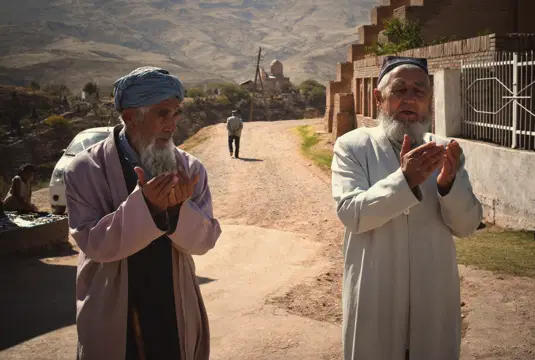
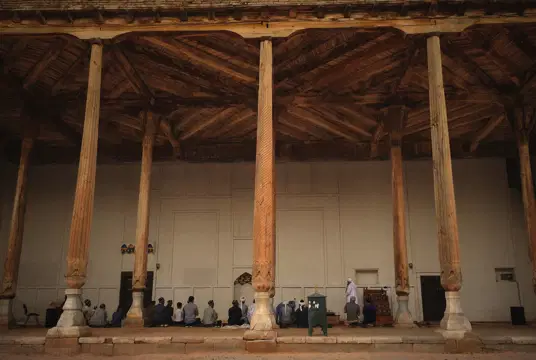
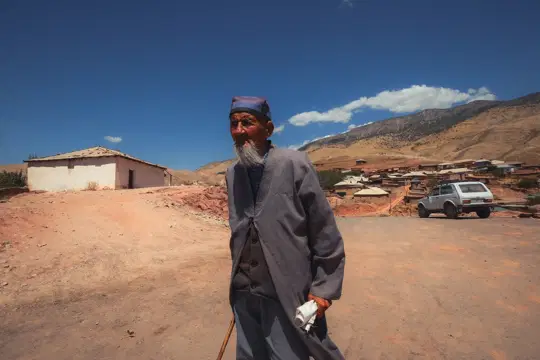
Preserving the original character of places such as Katta Langar is one of the central tensions of the contemporary tourism industry. Once known to virtually no one, the settlement has become popular among local visitors — who come to pay their respects at the tombs of four Sufi saints and to pray in the ancient mosque — as well as among foreign travellers, who are captivated by a village whose appearance has changed remarkably little over the past several centuries.
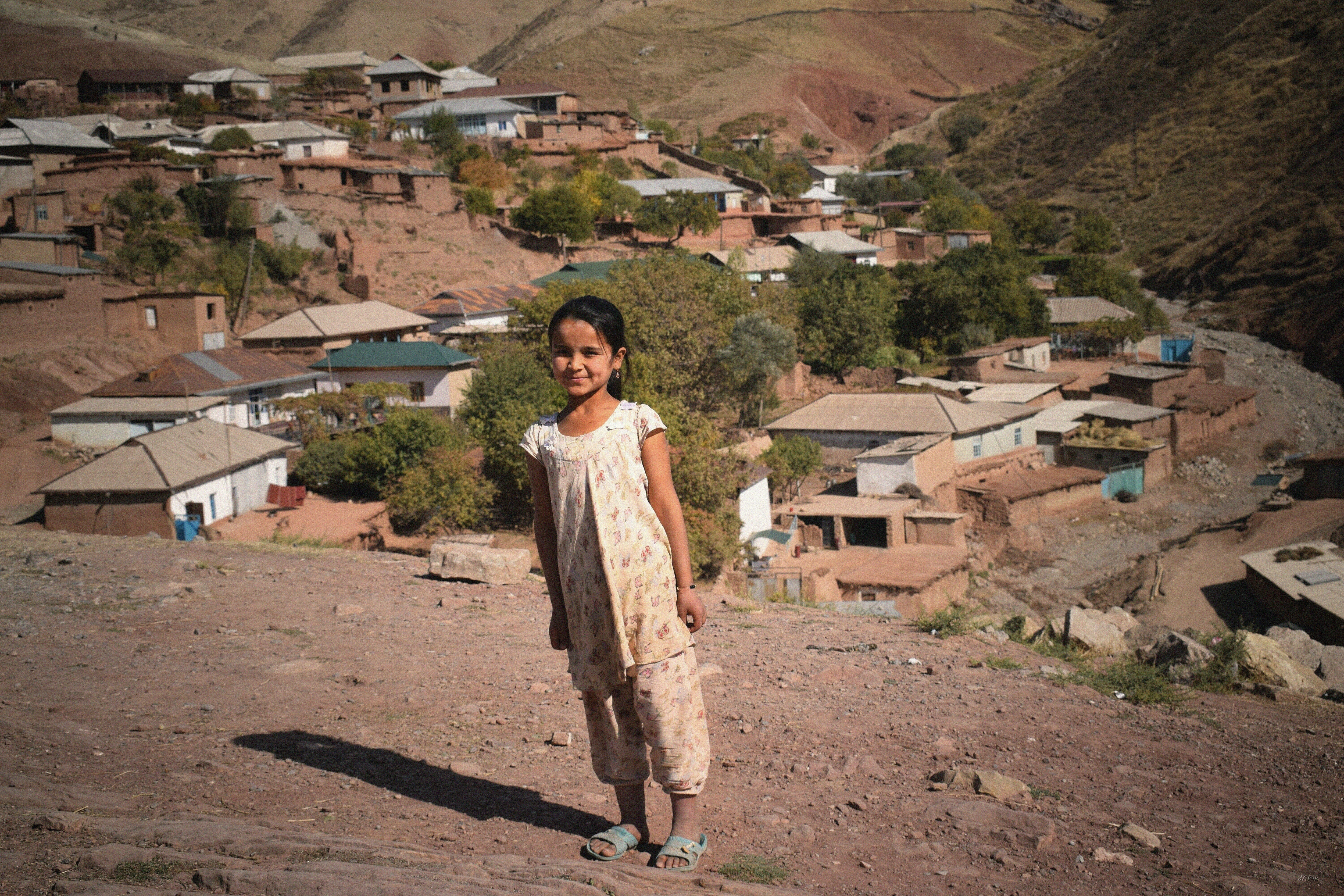 Photo: Ildar Sadykov
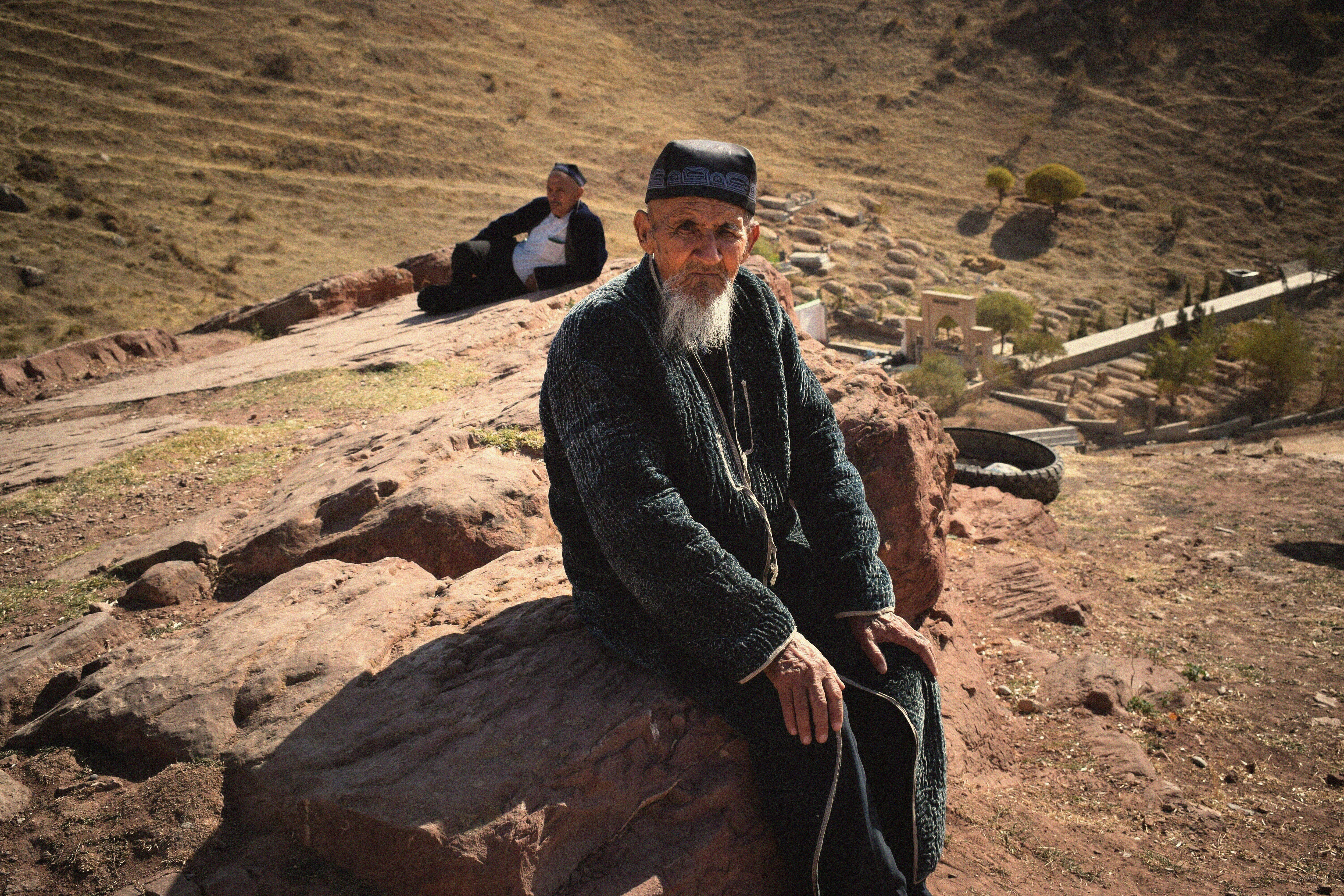 Photo: Ildar Sadykov
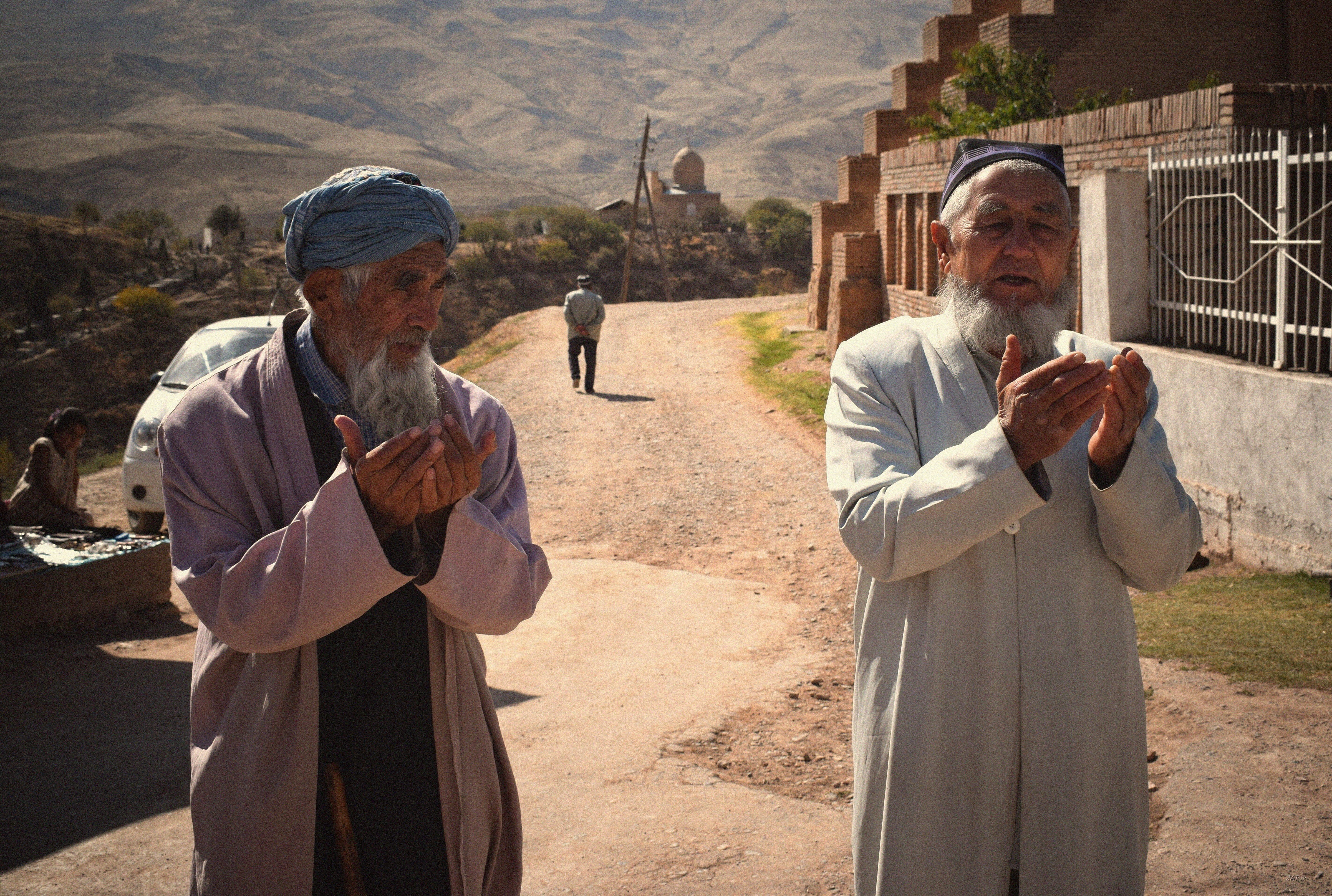 Photo: Ildar Sadykov
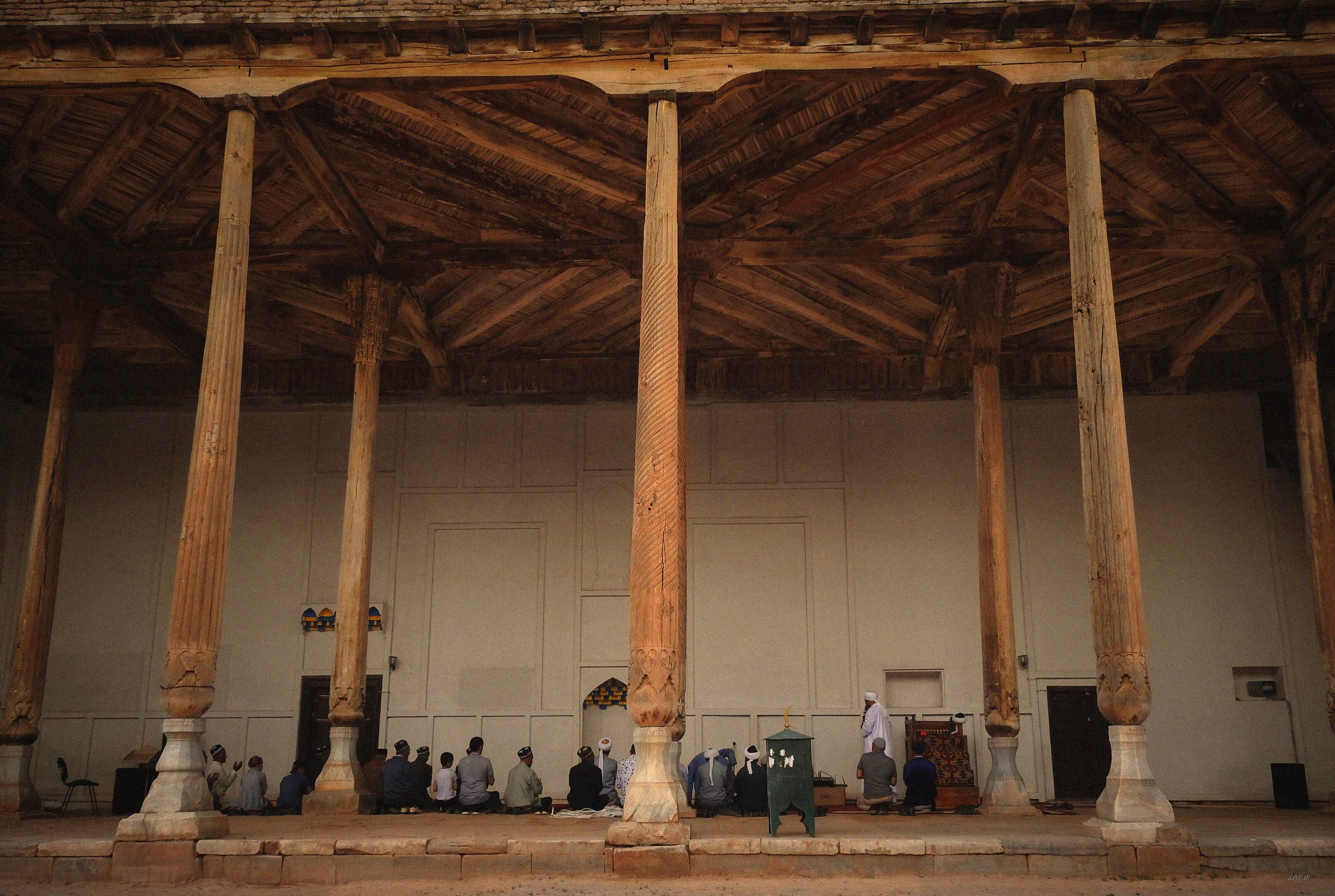 Photo: Ildar Sadykov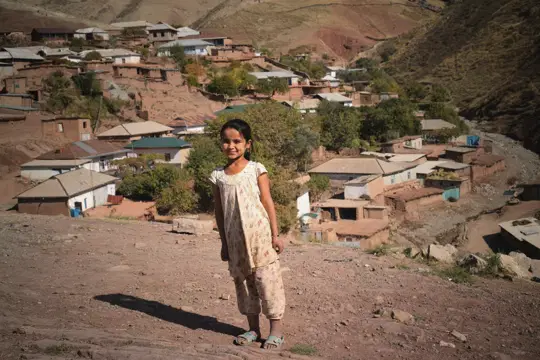
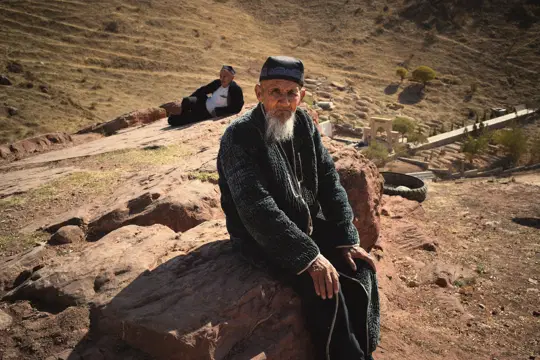
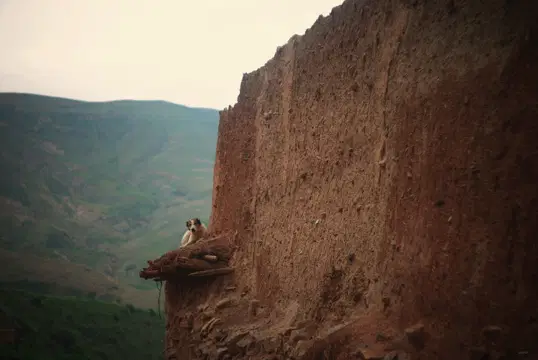
The road to Katta Langar — a name that translates as "great anchor" and which is, in essence, a sacred Sufi retreat and sanctuary — winds through similar settlements composed almost entirely of mud-brick dwellings. Nestled as if amid gentle waves in the foothills of low mountains, Katta Langar owes its singular appearance to a soil composed of nine varieties of clay in different colours — from white, yellow and green through to vivid red, the last of which predominates.
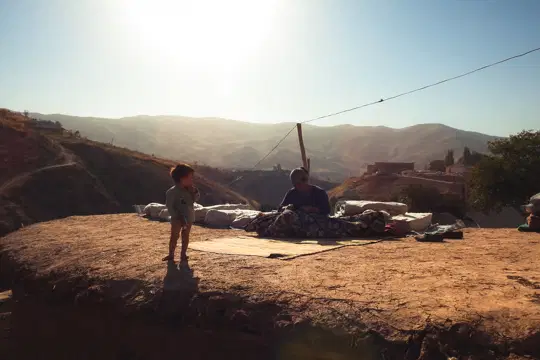
The remarkable architecture, set within a richly characterful landscape — where the roof of one house serves as the courtyard of another — carries a symbolic resonance for those who understand the national character.
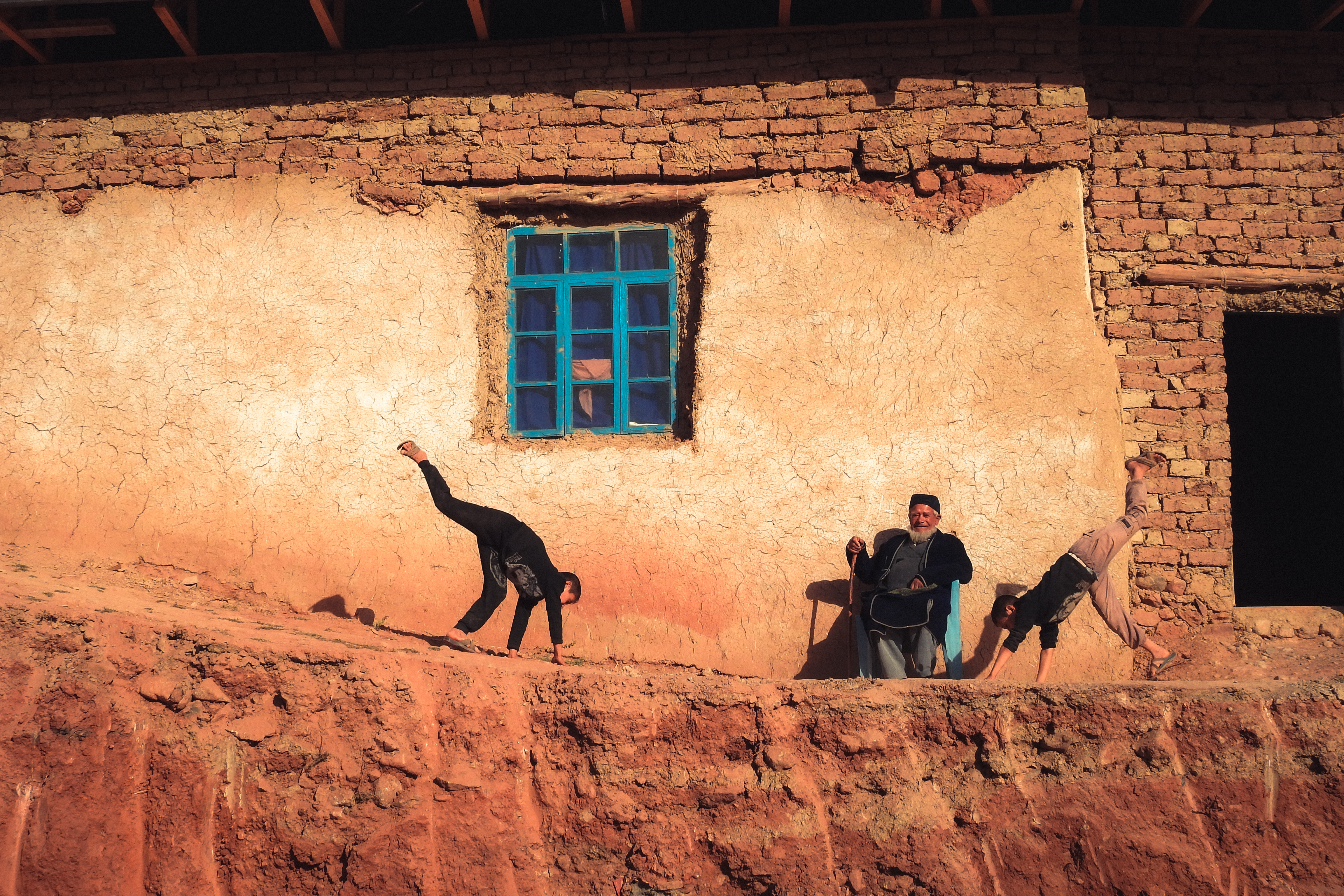 Photo: Ildar Sadykov
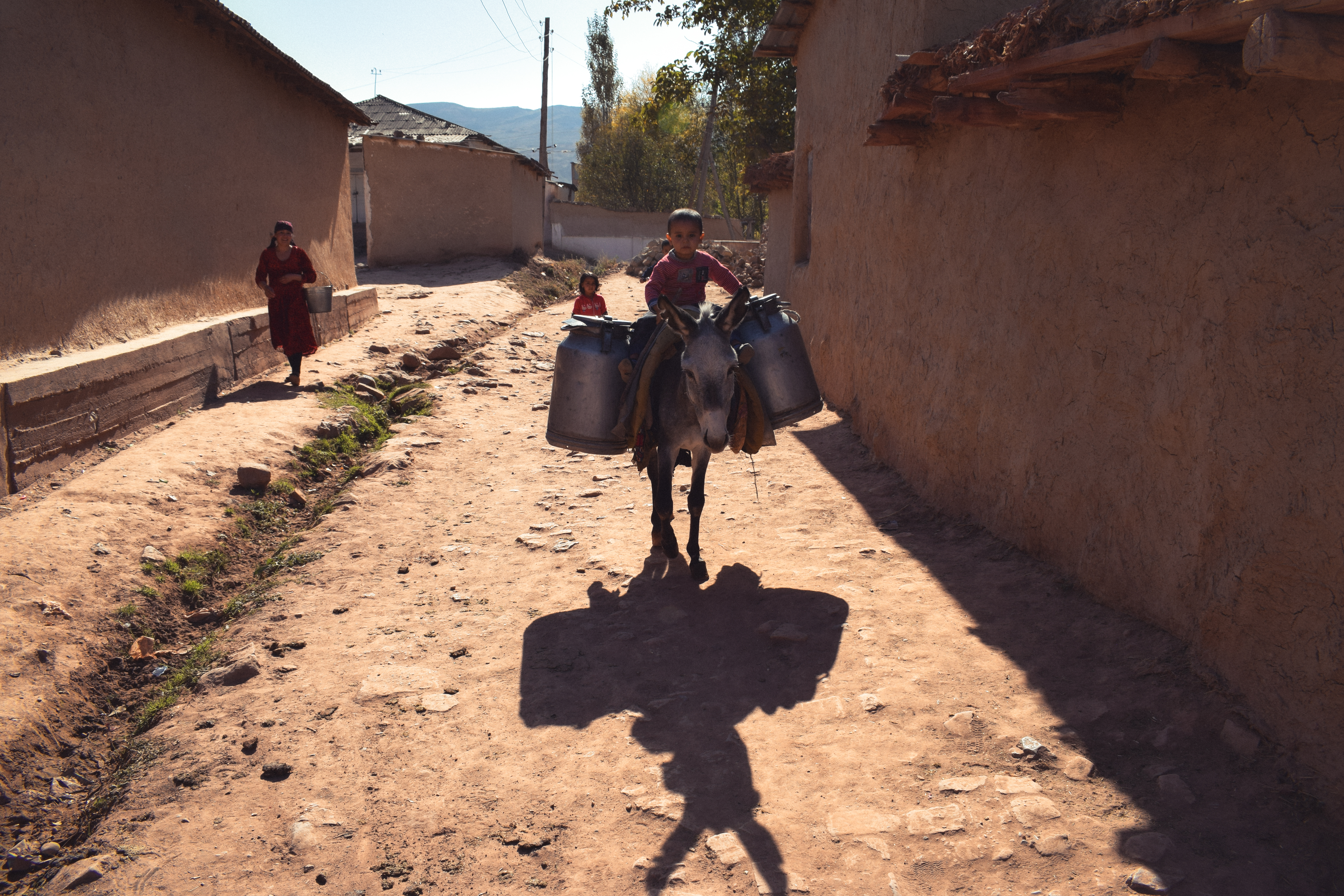 Photo: Ildar Sadykov
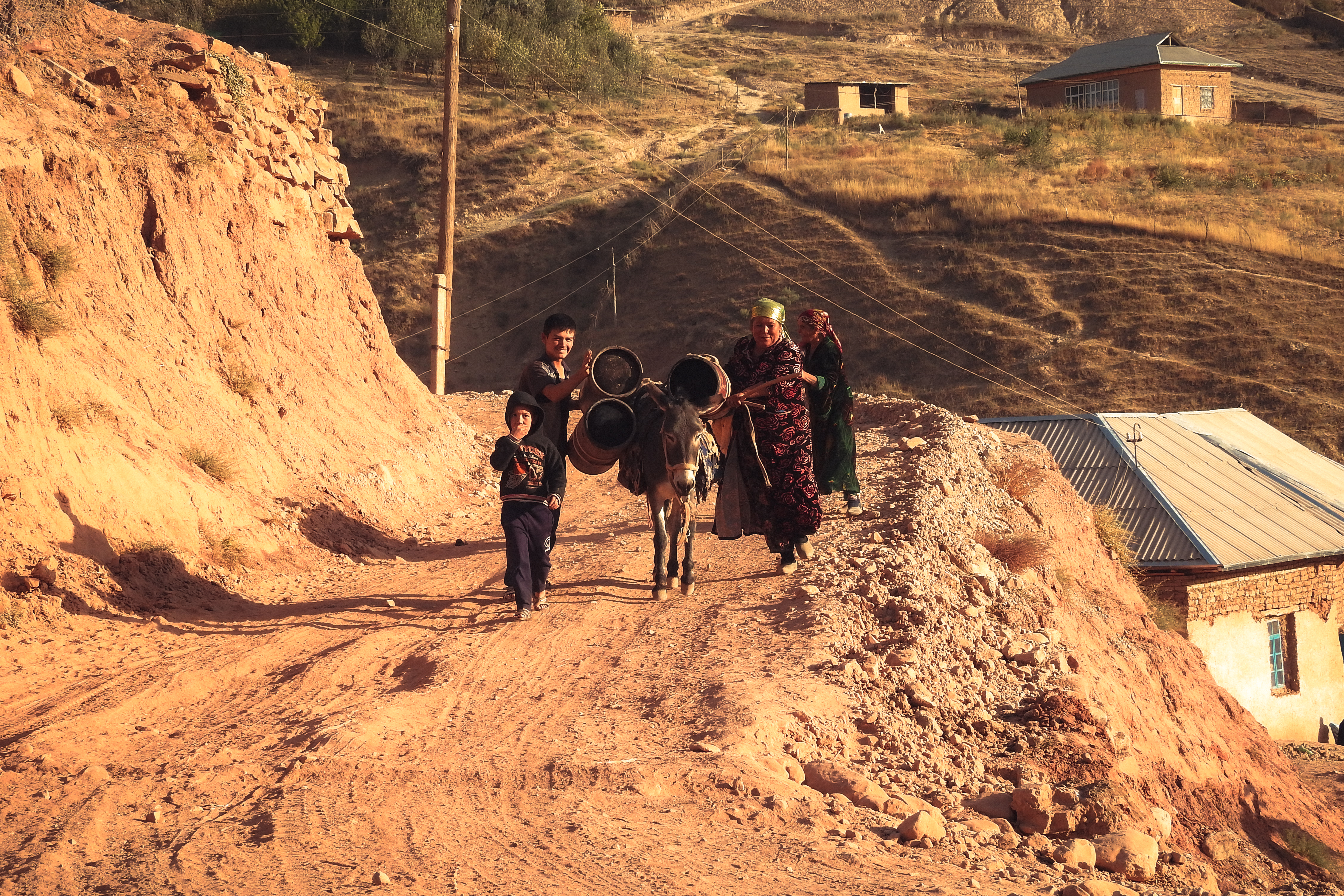 Photo: Ildar Sadykov
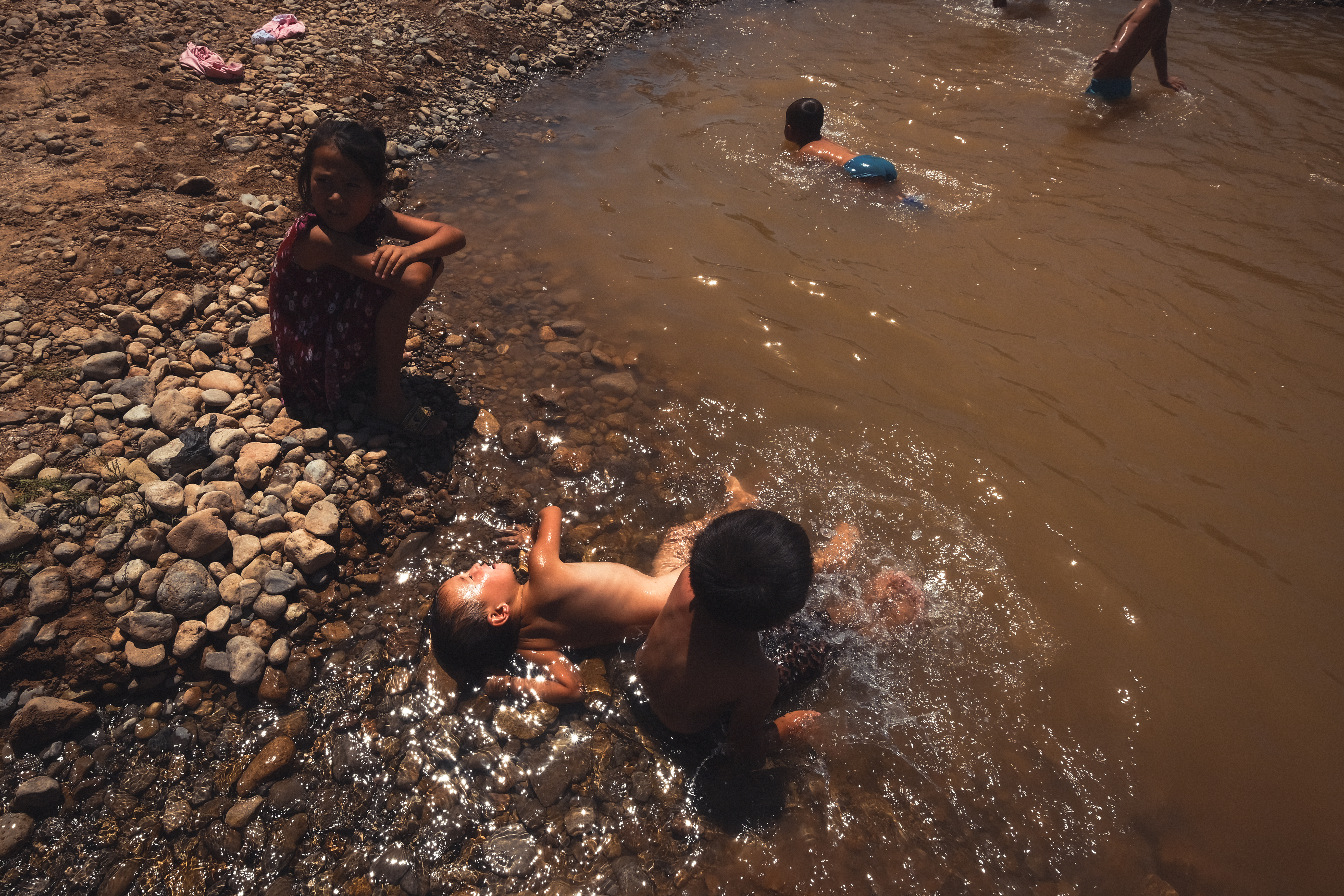 Photo: Ildar Sadykov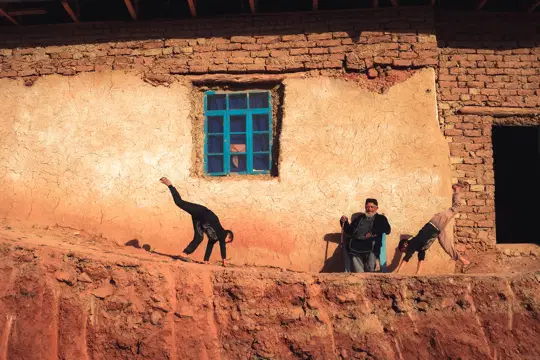
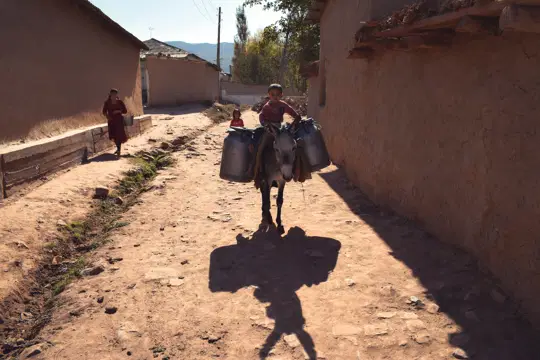
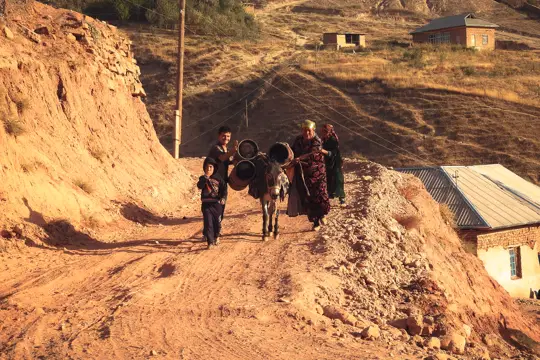
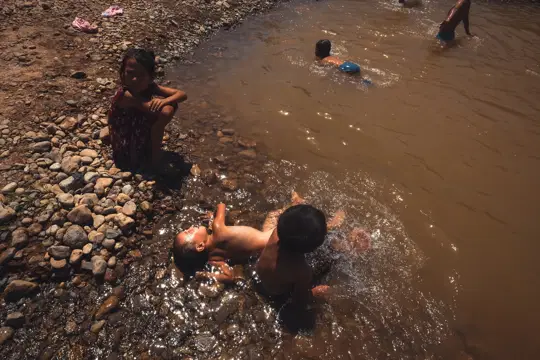
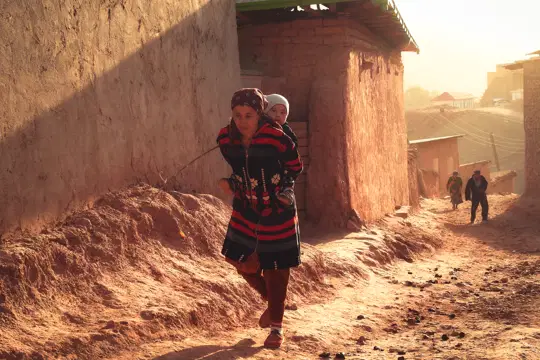
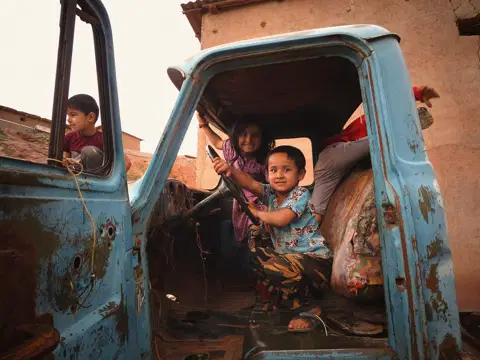
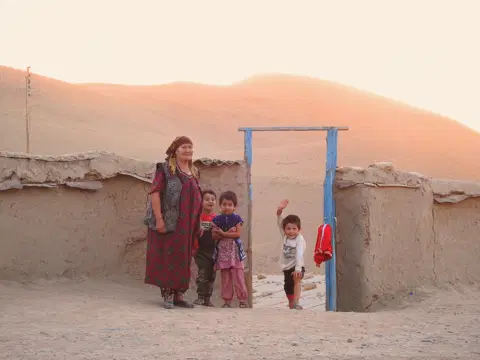
Daily life in Katta Langar is far from easy in practical terms. The settlement has electricity, but no mains gas — residents must fill canisters instead. As recently as six years ago there was no running water, and people transported water from wells by donkey. The locals are as industrious as they are open-hearted. The soil here yields almost nothing in the way of crops. Most men leave to seek work abroad, while women manage the household and sew kurpacha quilts. The tourism now developing in the area has become an important source of income for residents, yet it has also brought unsettling changes.
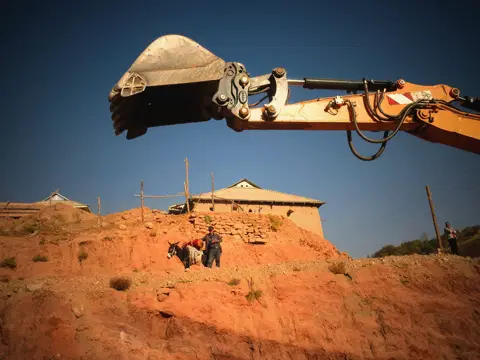
The need to sustain the flow of tourists has given rise to a troubling tendency. The appearance of the settlement is being altered in the name of infrastructure development. The water supply recently installed here, for instance, is a jarring intrusion: ugly plastic pipes running along the surface, disfiguring the streets. Part of the area was being laid with concrete, though work was halted in time.
Ildar Sadykov
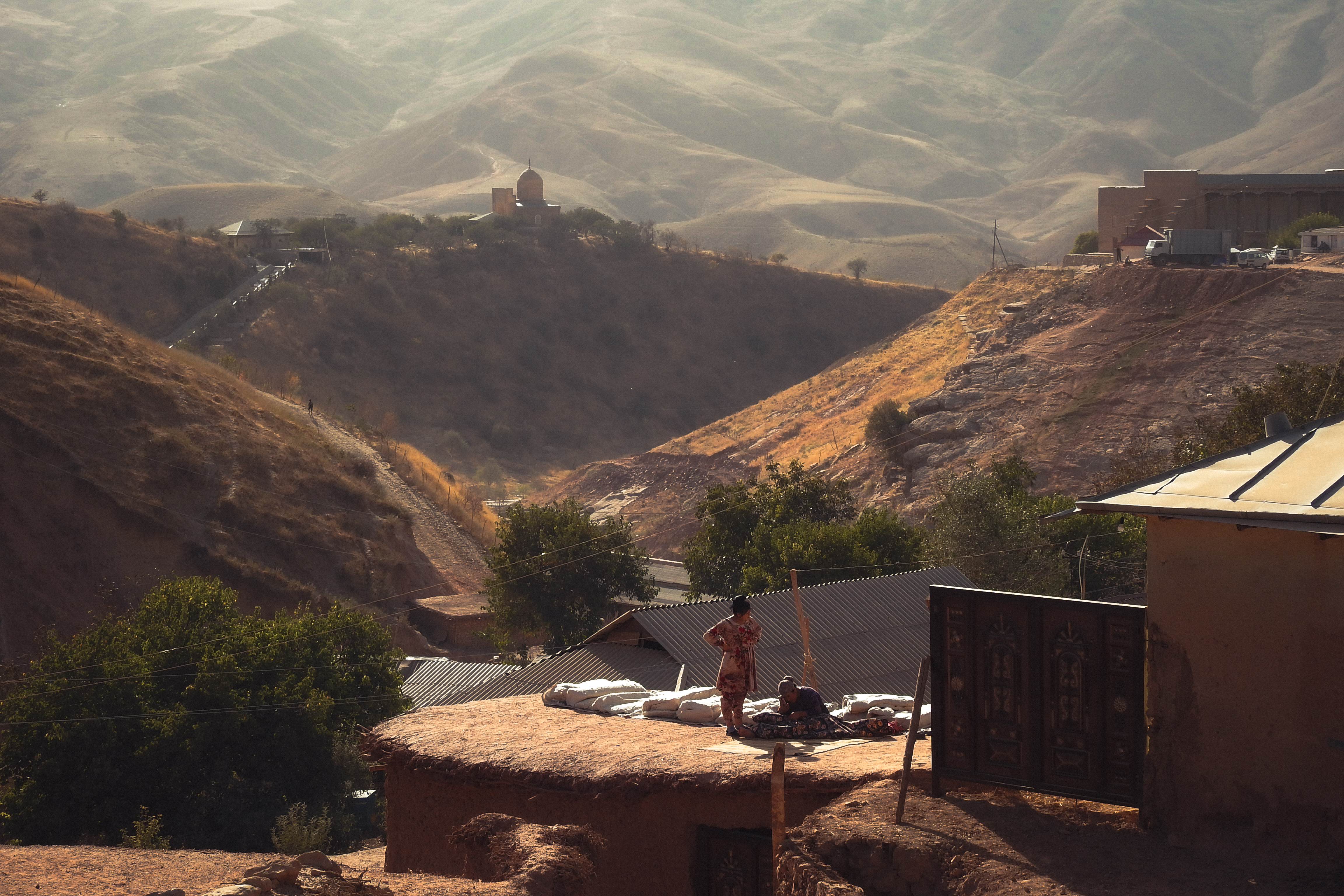 Photo: Ildar Sadykov
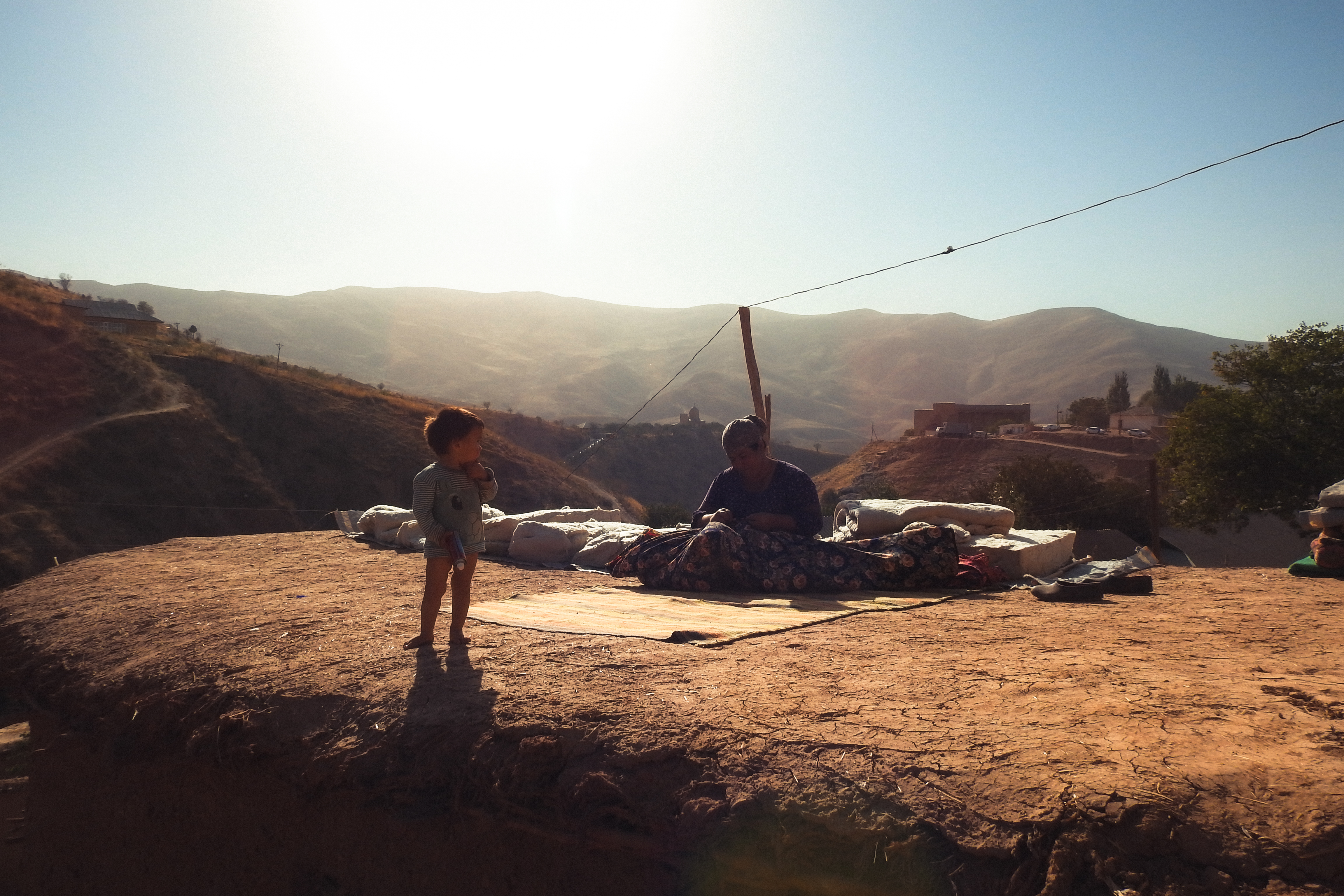 Photo: Ildar Sadykov
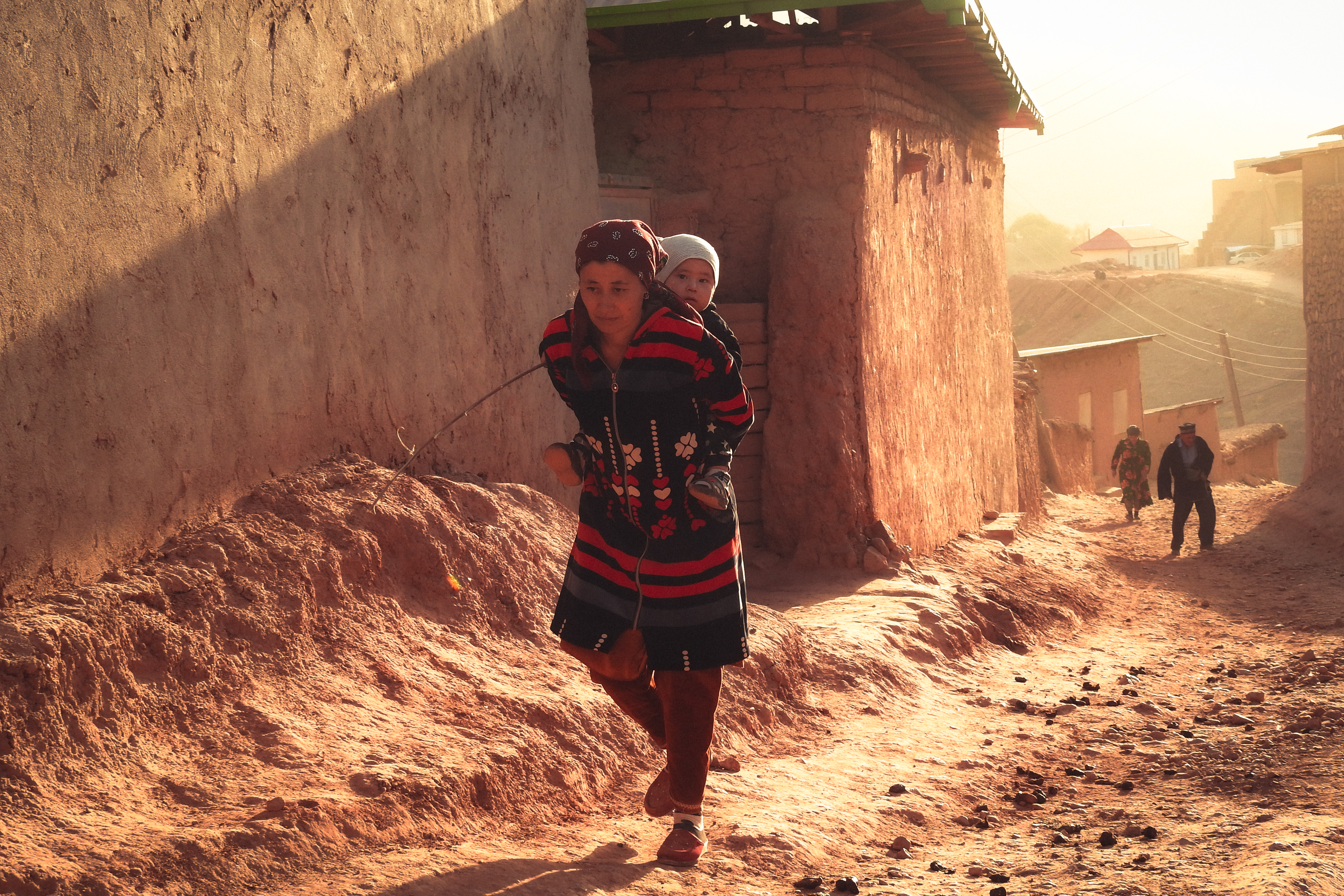 Photo: Ildar Sadykov
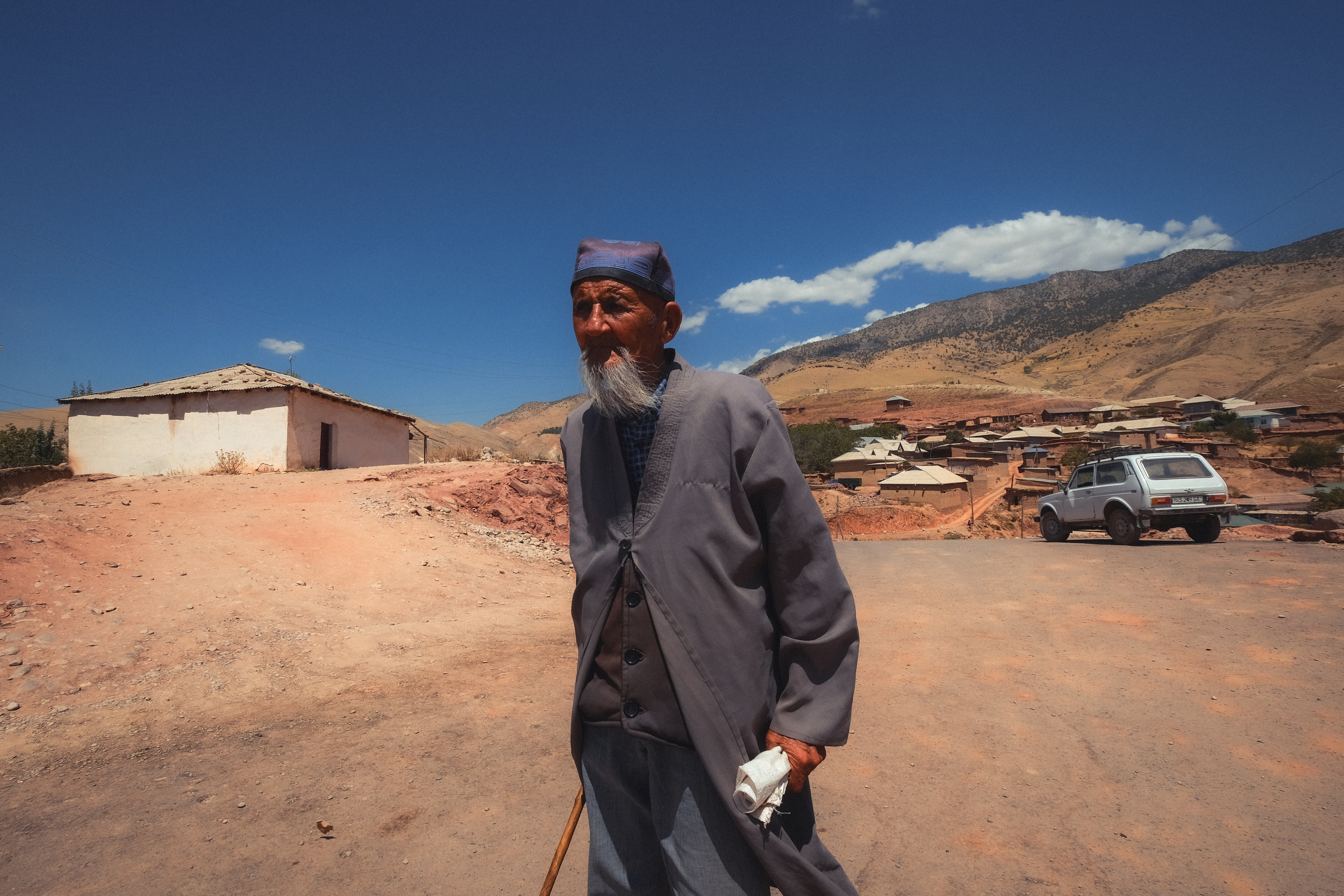 Photo: Ildar Sadykov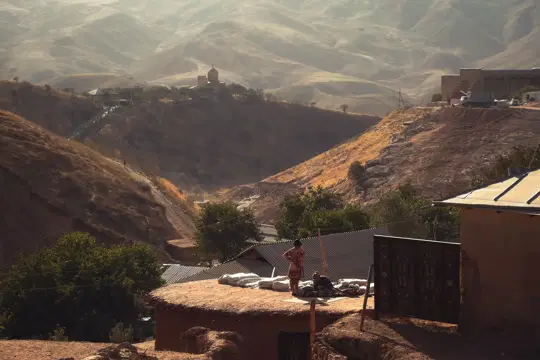
Indeed, the history of many of Uzbekistan's most authentically preserved sites is a history of loss. There was once abundant water in the surrounding area. Breakwaters and the remnants of a bridge bear witness to its retreat — today only small streams murmur where a wide river once flowed.
The finest time to visit Katta Langar is in May, when the earth takes on a deep, saturated red, or in autumn — to contemplate the year's closing light across the expanse of these sacred hills.
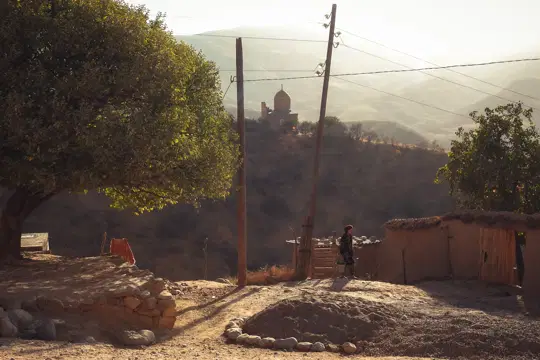
The domed building on the hill is a mausoleum in which five Sufi saints lie at rest. Four of the tombs have been identified, while the fifth burial continues to provoke fierce debate among scholars. Many of them maintain that it is here that the daughter of Amir Temur is interred.
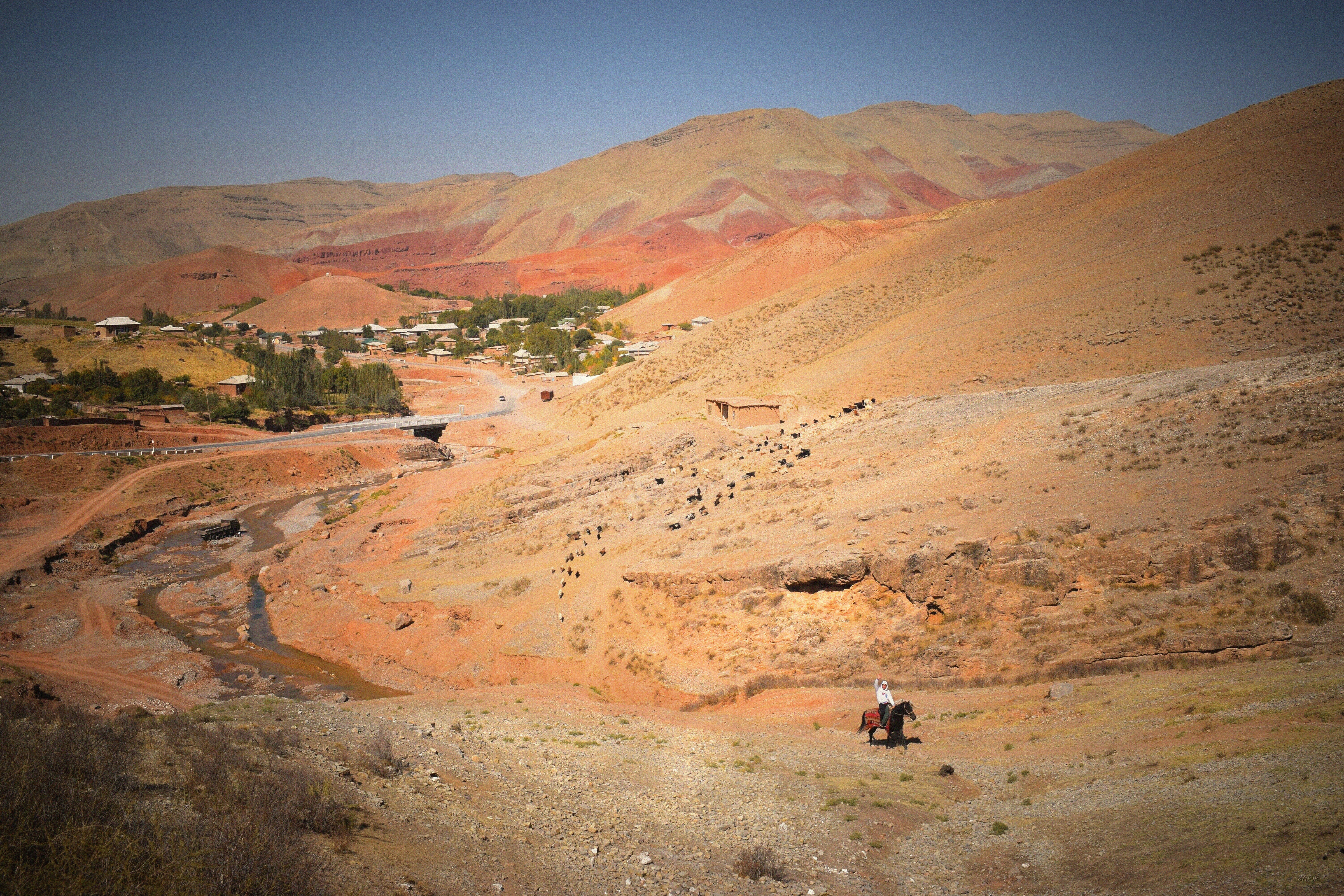 Photo: Ildar Sadykov
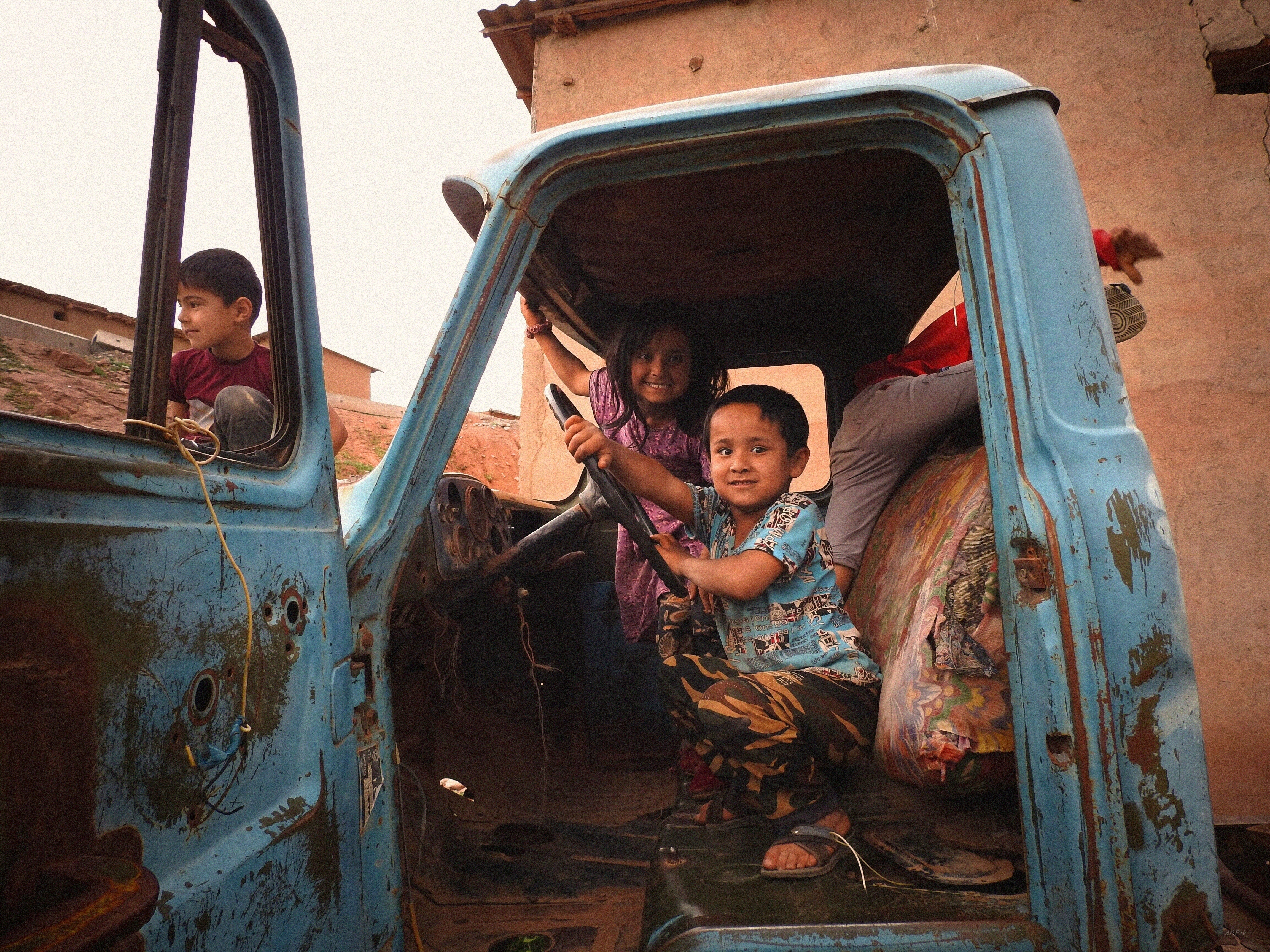 Photo: Ildar Sadykov
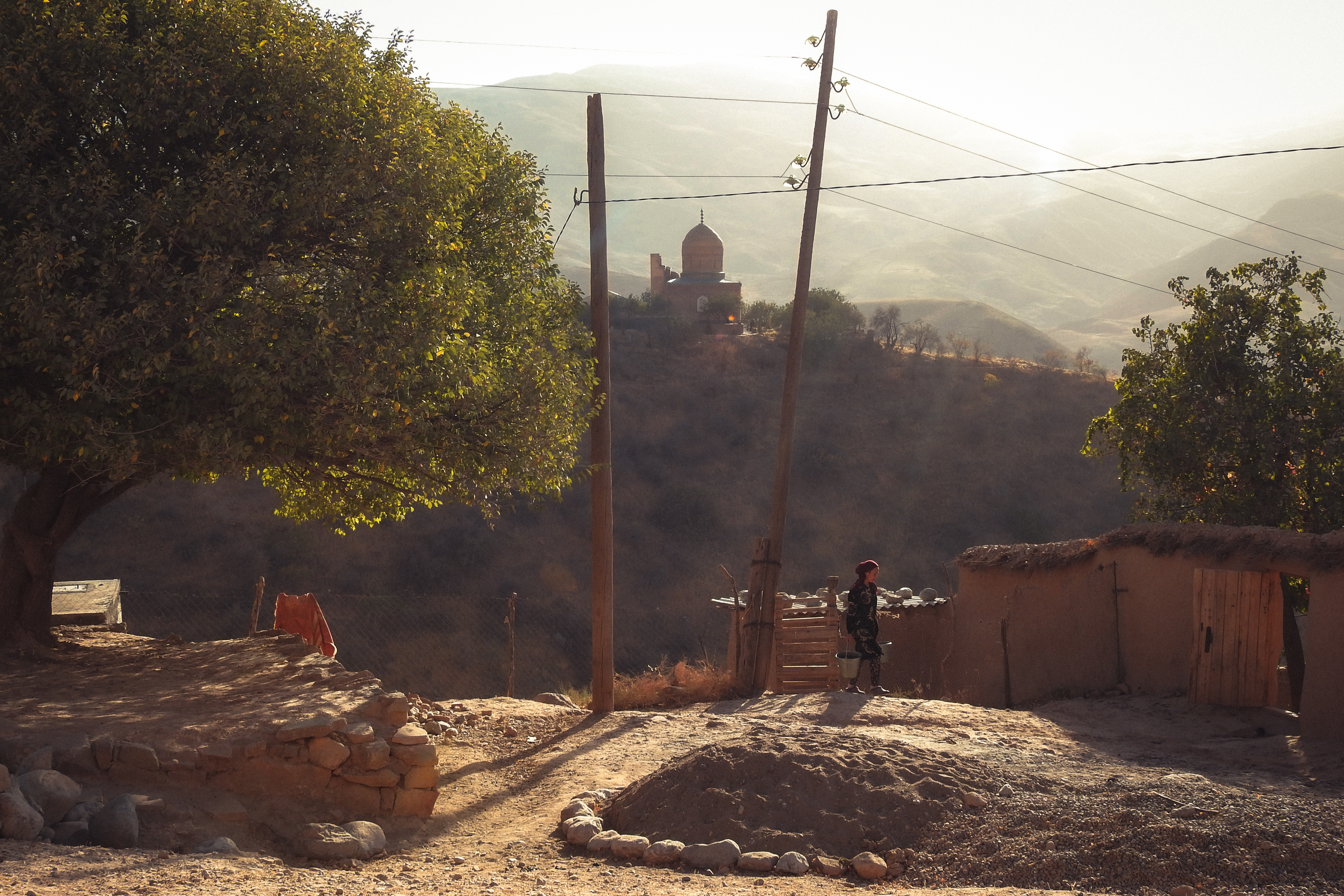 Photo: Ildar Sadykov
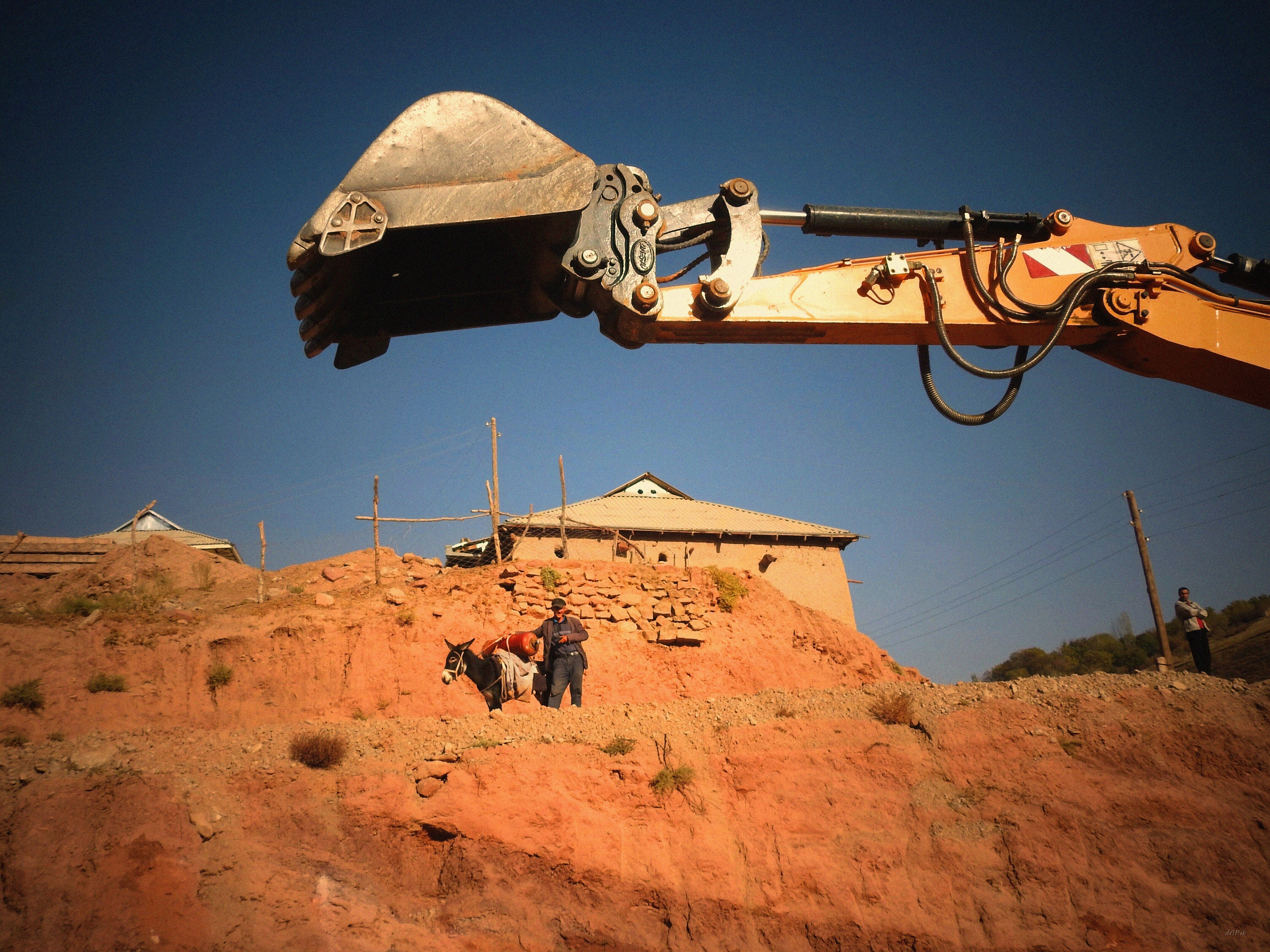 Photo: Ildar Sadykov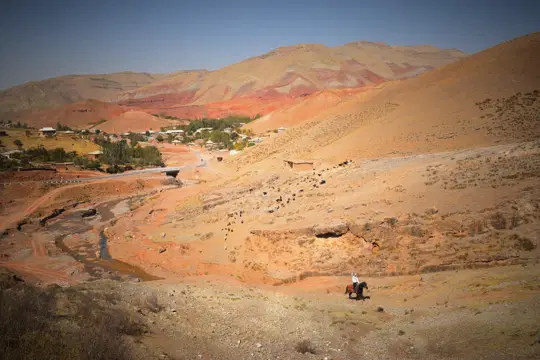
Particularly steeped in legend is the story of the "Quran of Uthman" discovered here — one of the oldest surviving manuscripts of the holy Book, which was kept in this place for a time. The folios of the mushaf were guarded by three families, and the consent of all three was required simply to behold the relic.
Local people believe that it was from here that Islam spread throughout the entire region. Perhaps this is why the custodians of the Katta Langar mosque and the villagers themselves have, for many centuries, preserved with such reverence the singular spirit and appearance of this sacred place.
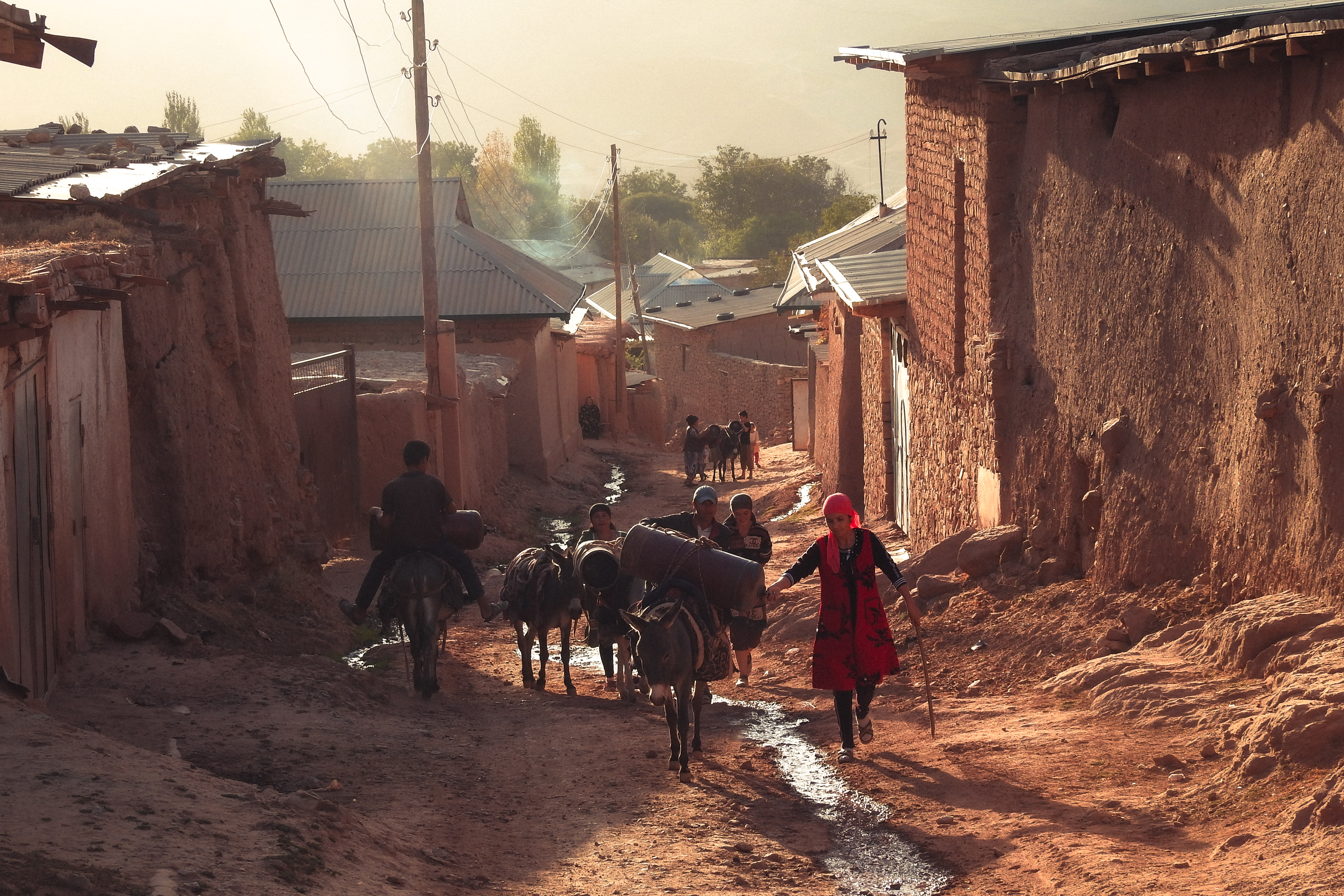 Photo: Ildar Sadykov
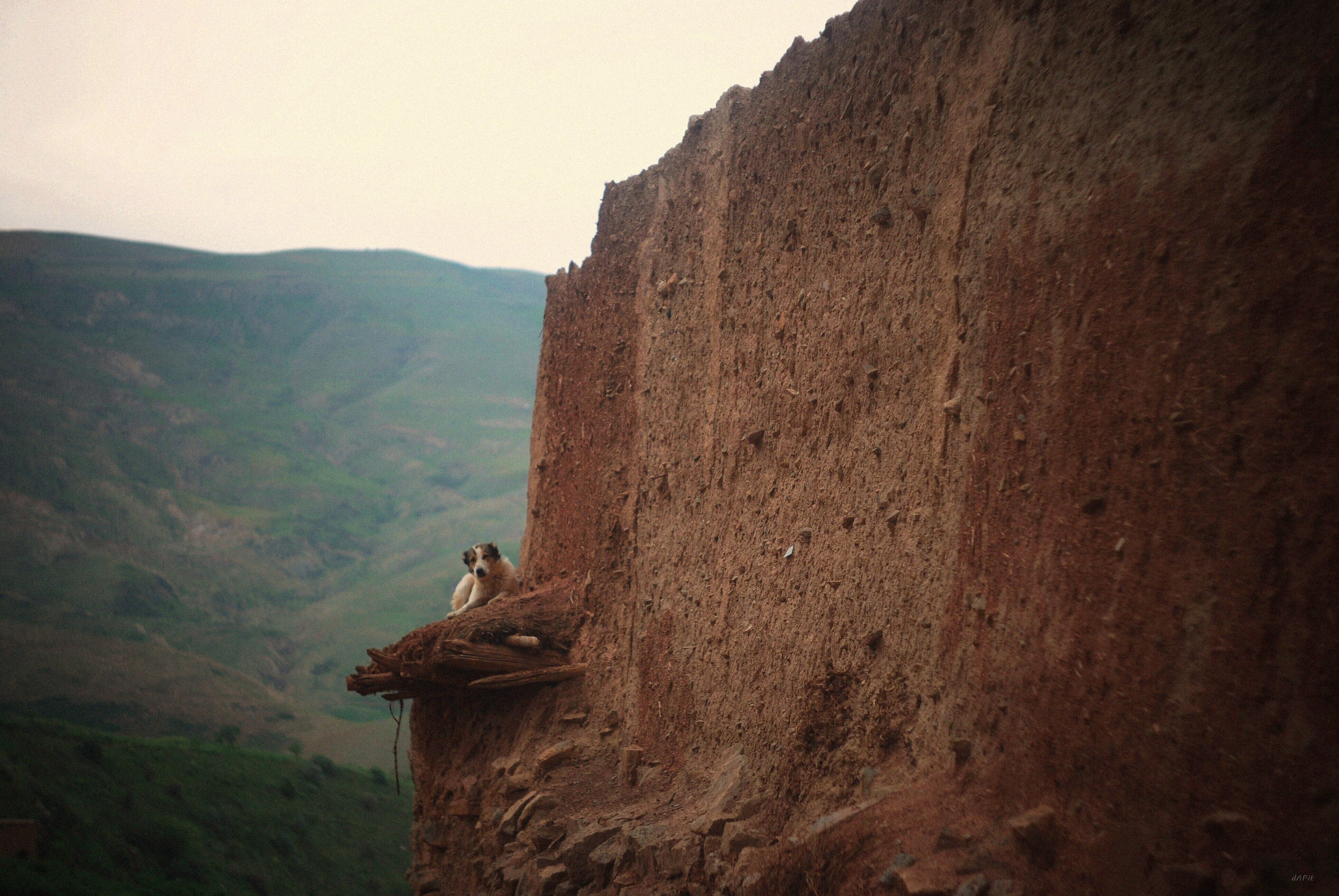 Photo: Ildar Sadykov
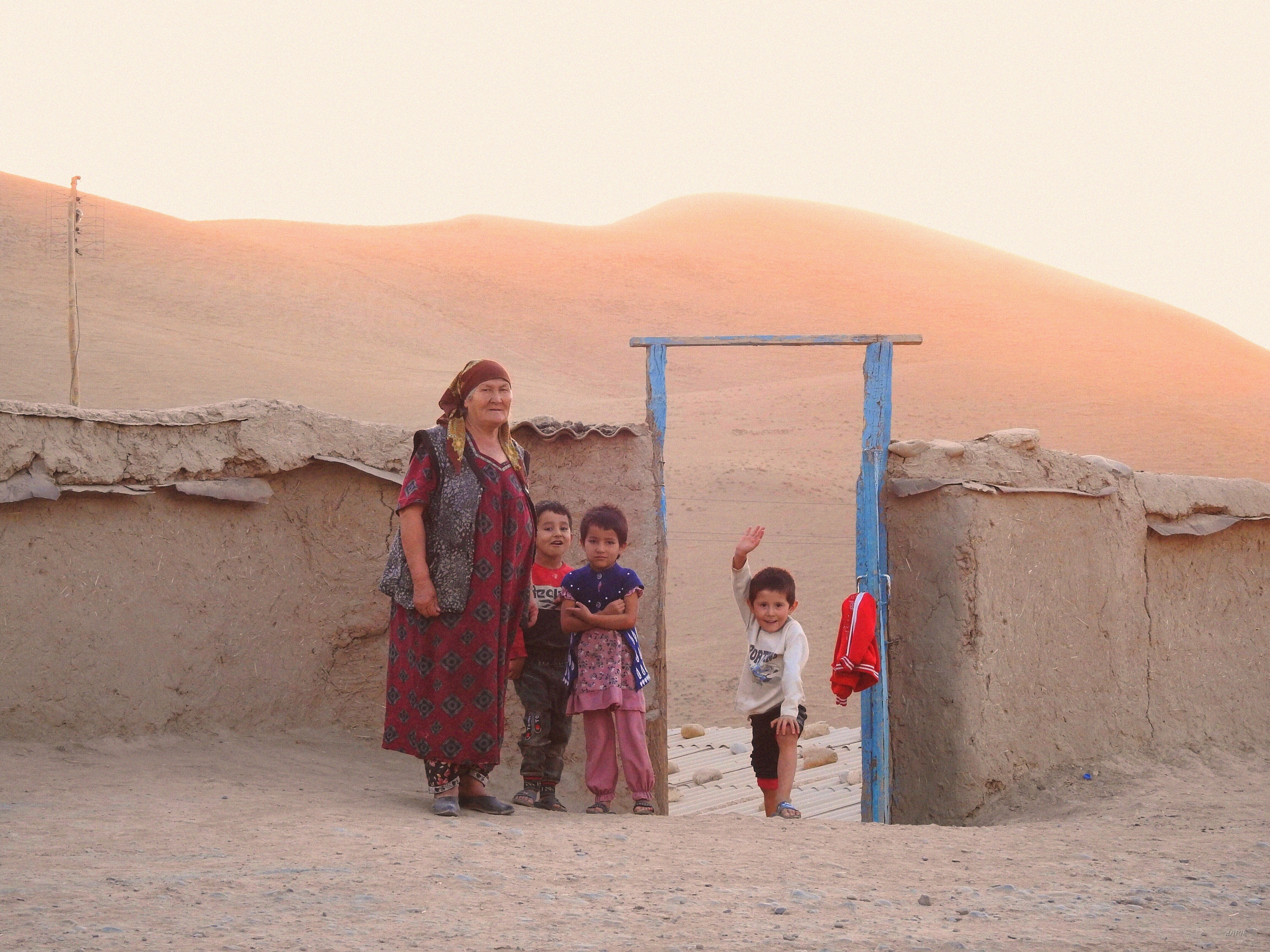 Photo: Ildar Sadykov
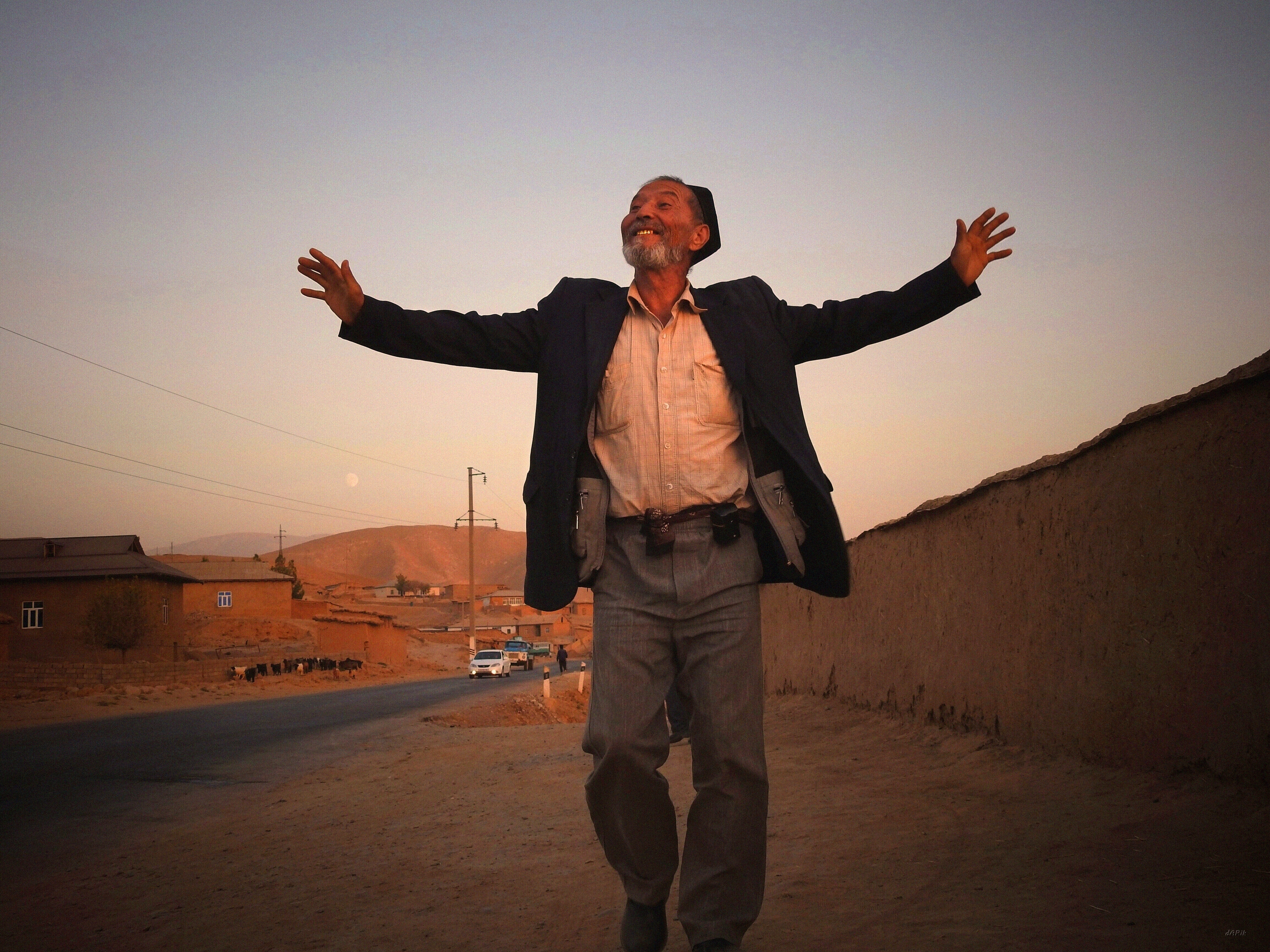 Photo: Ildar Sadykov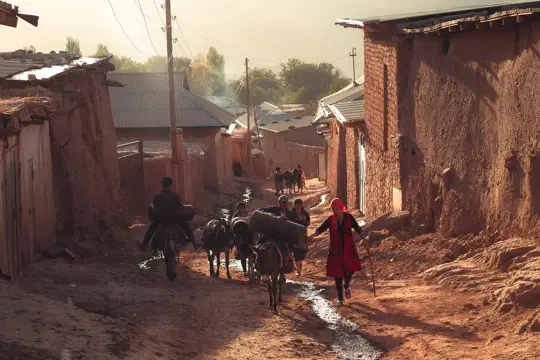
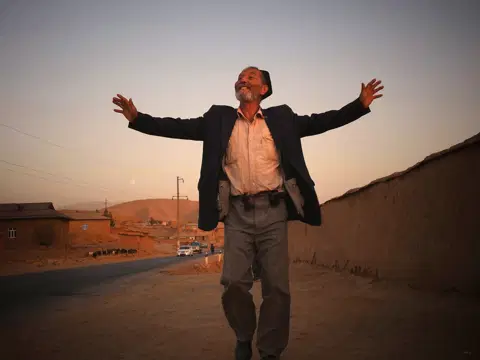
I am deeply fond of this settlement. Here I find a sense of freedom, of solitude, and at the same time of something boundless. I never tire of returning, again and again, to document the changes taking place. And each time I come, I find myself hoping that those changes will not prove fatal.
Ildar Sadykov


