
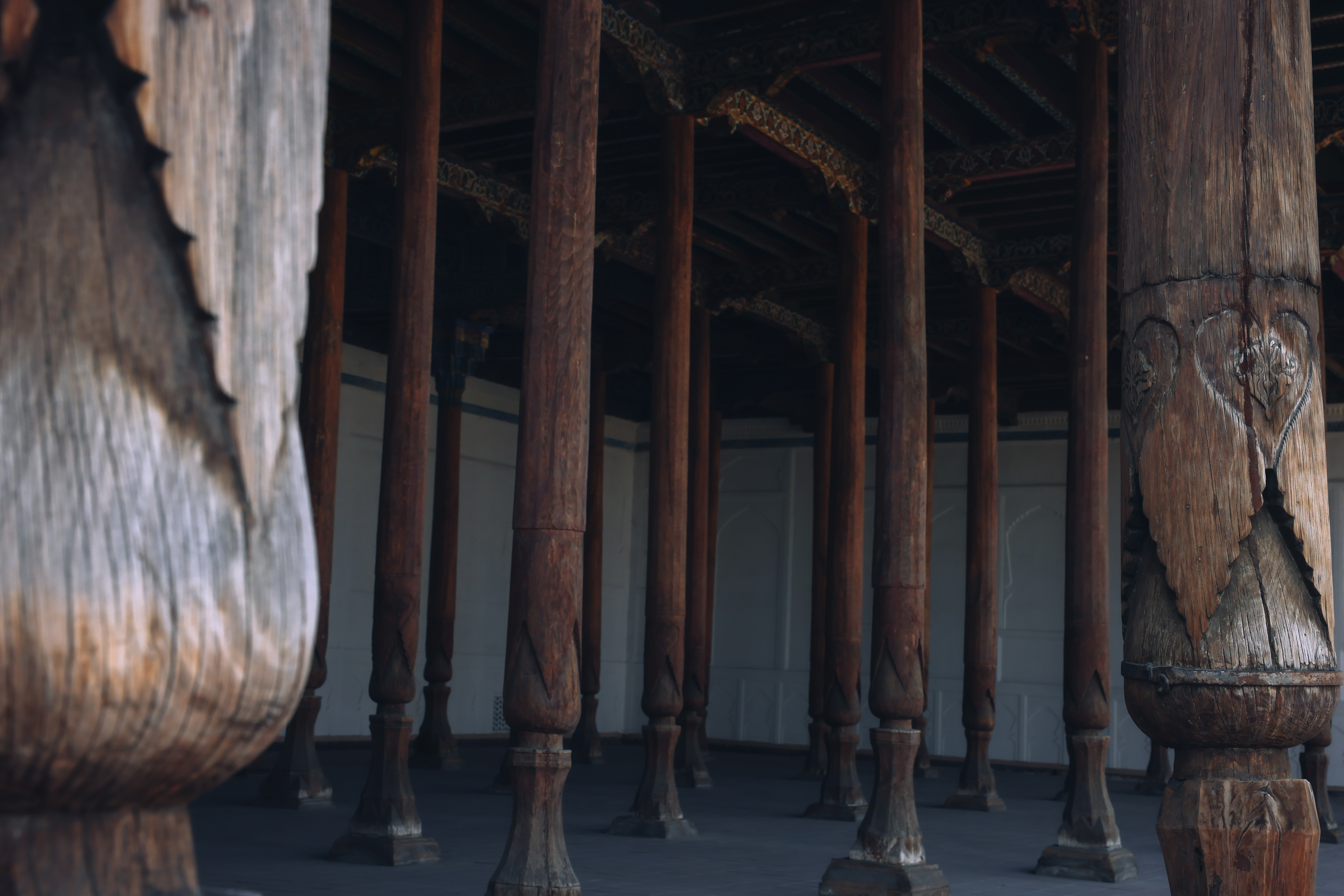
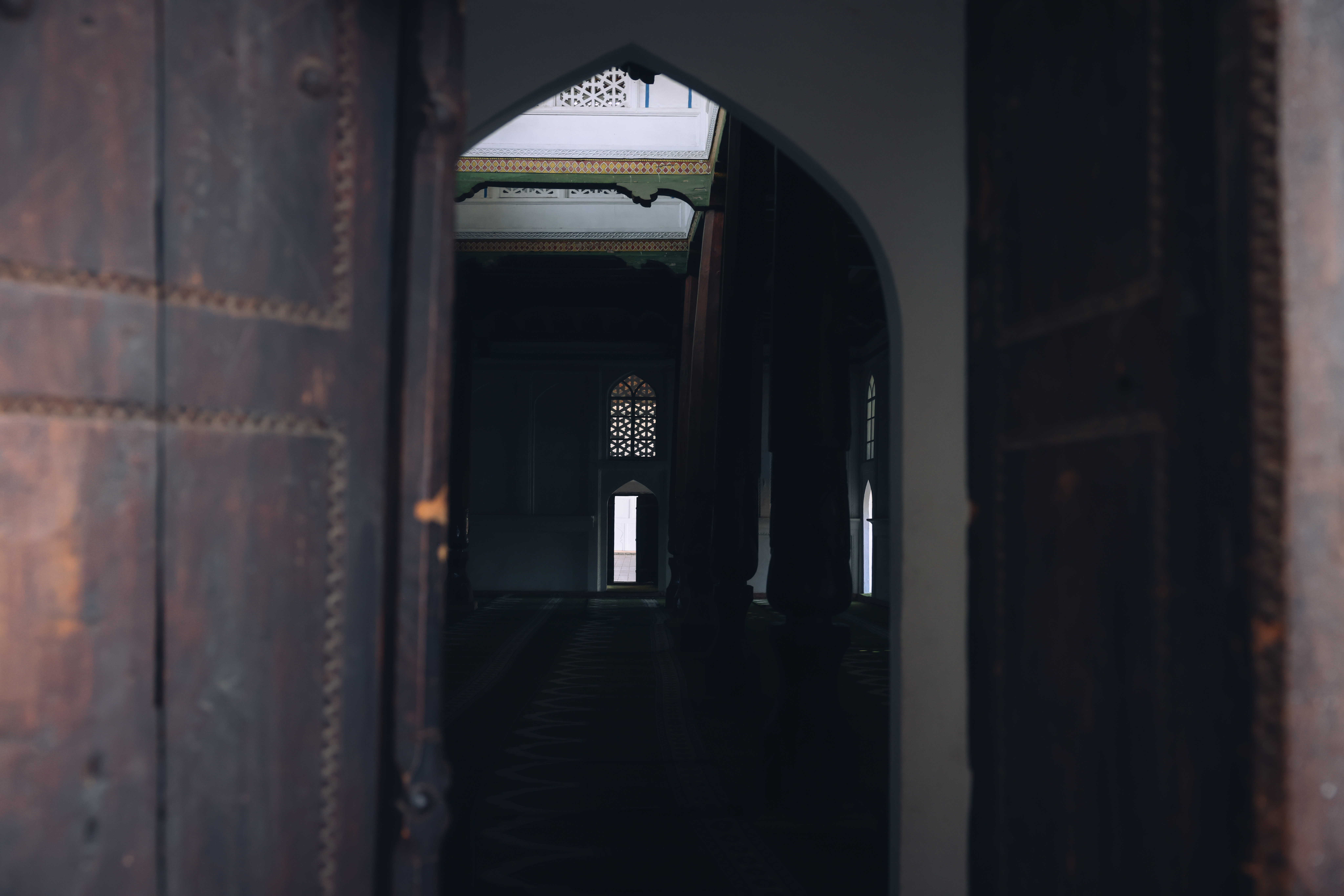
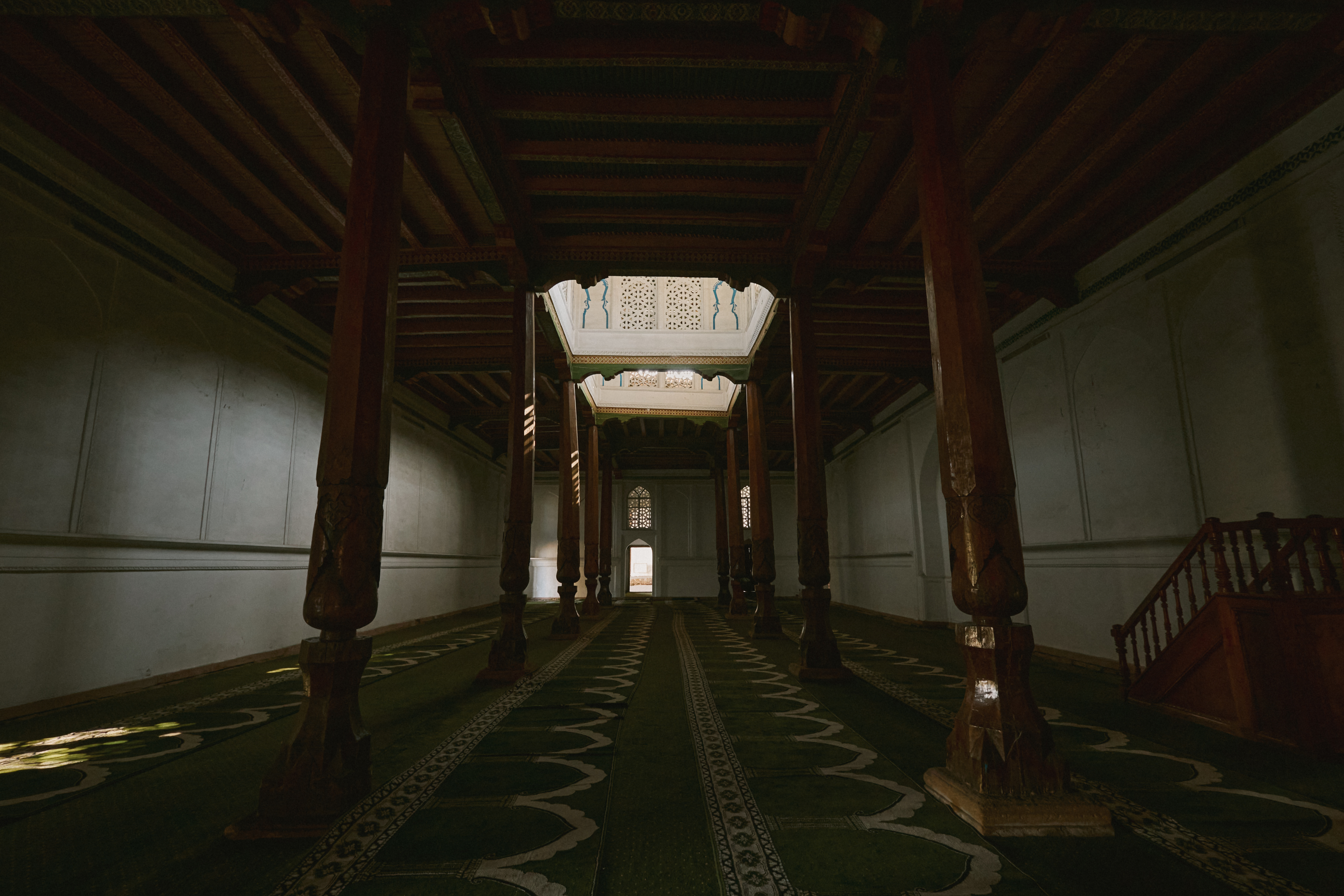
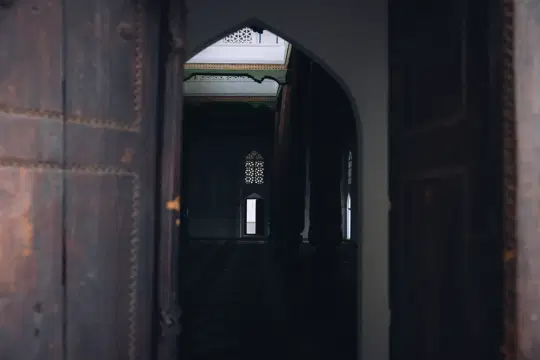
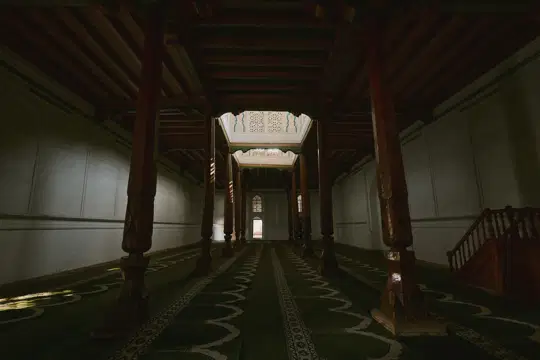
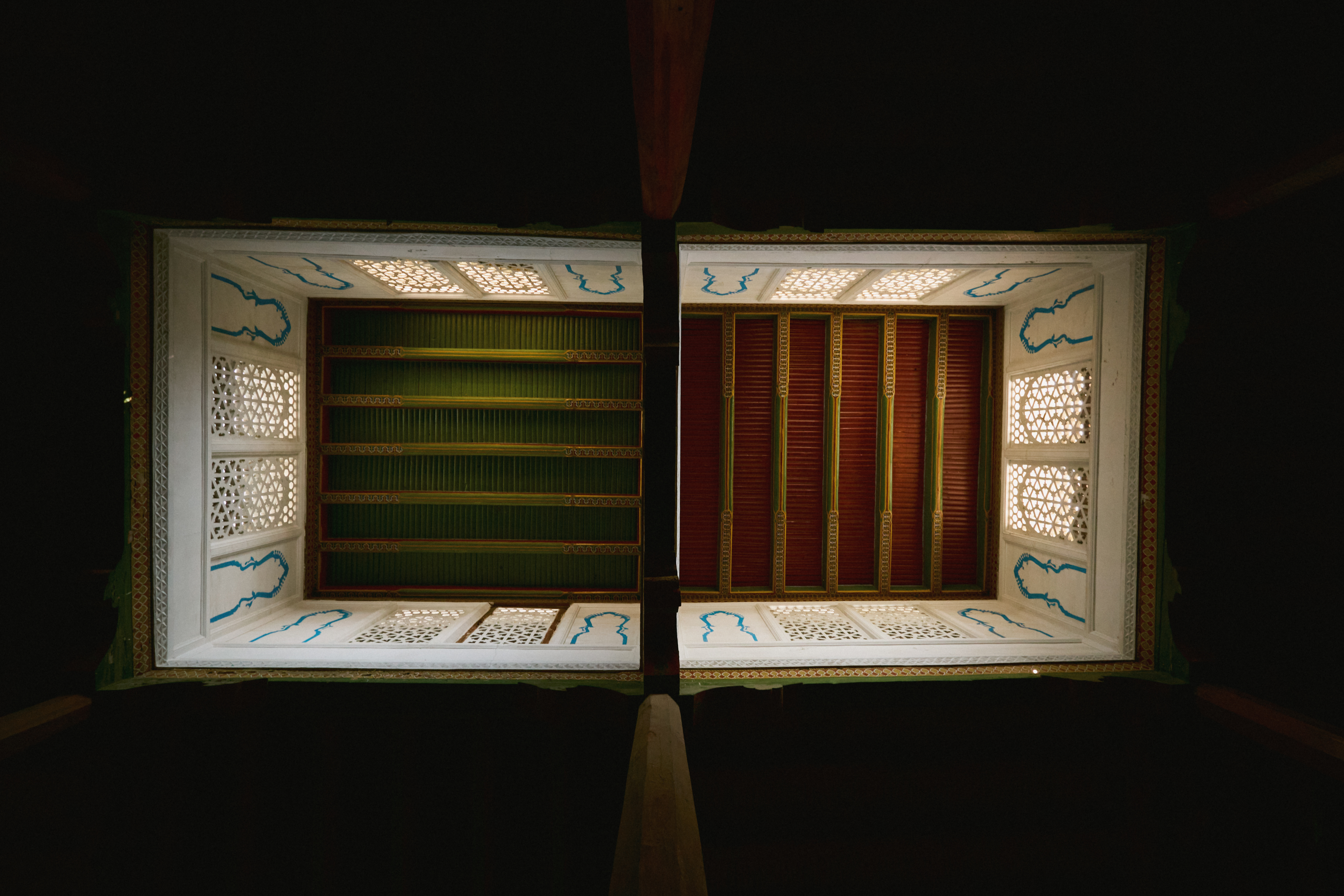
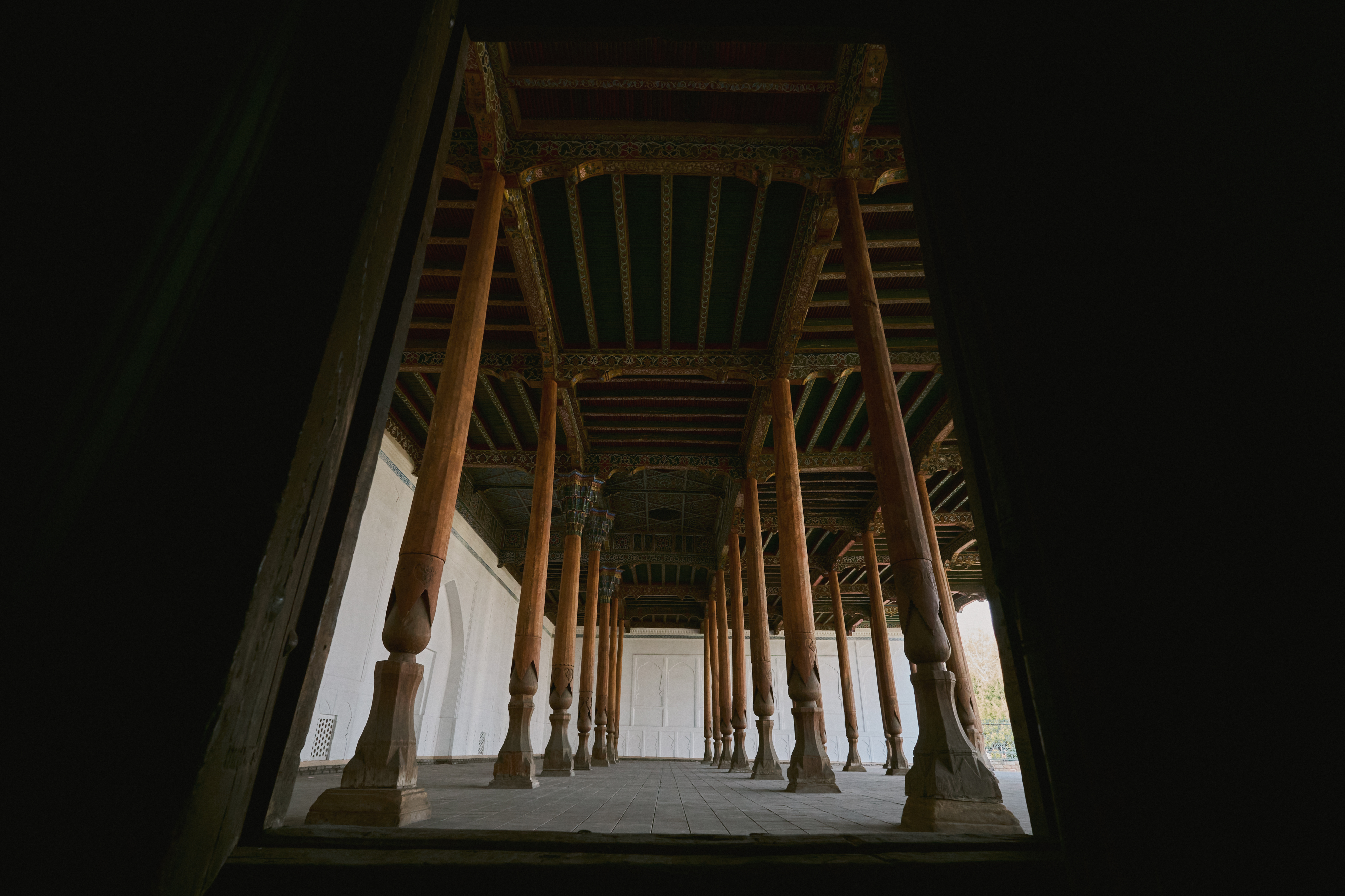
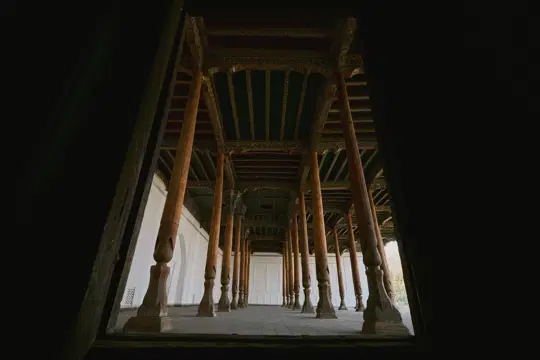
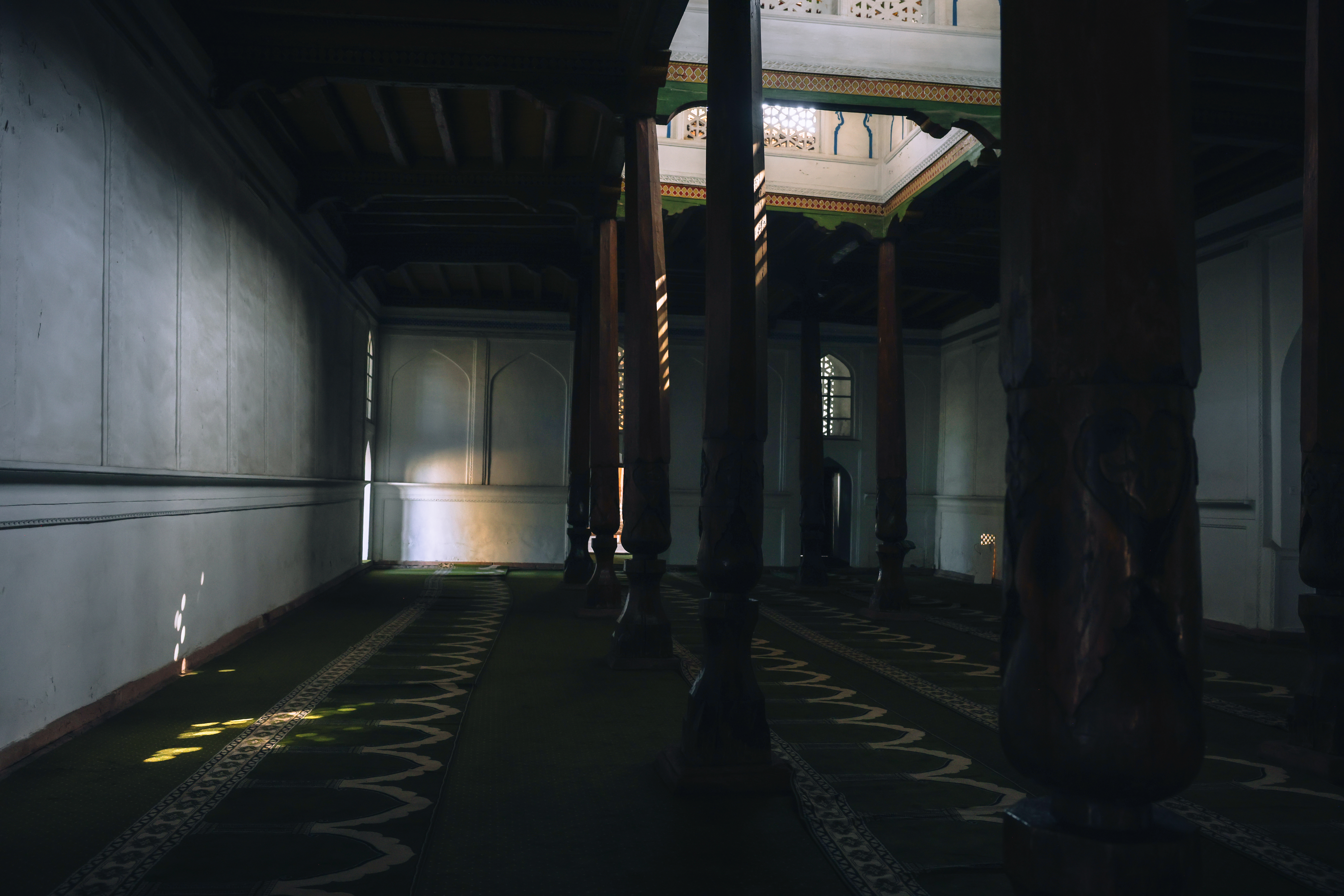
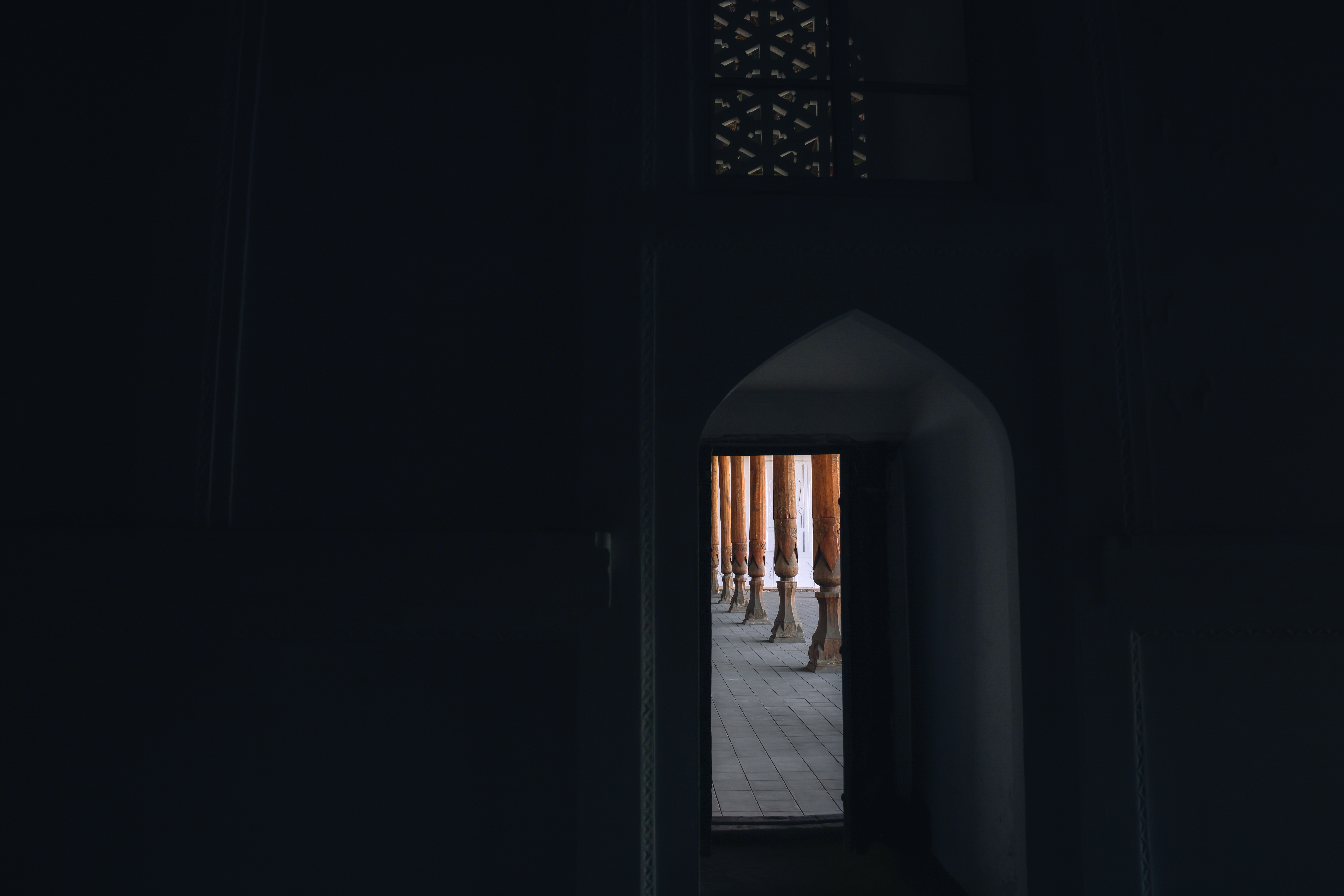
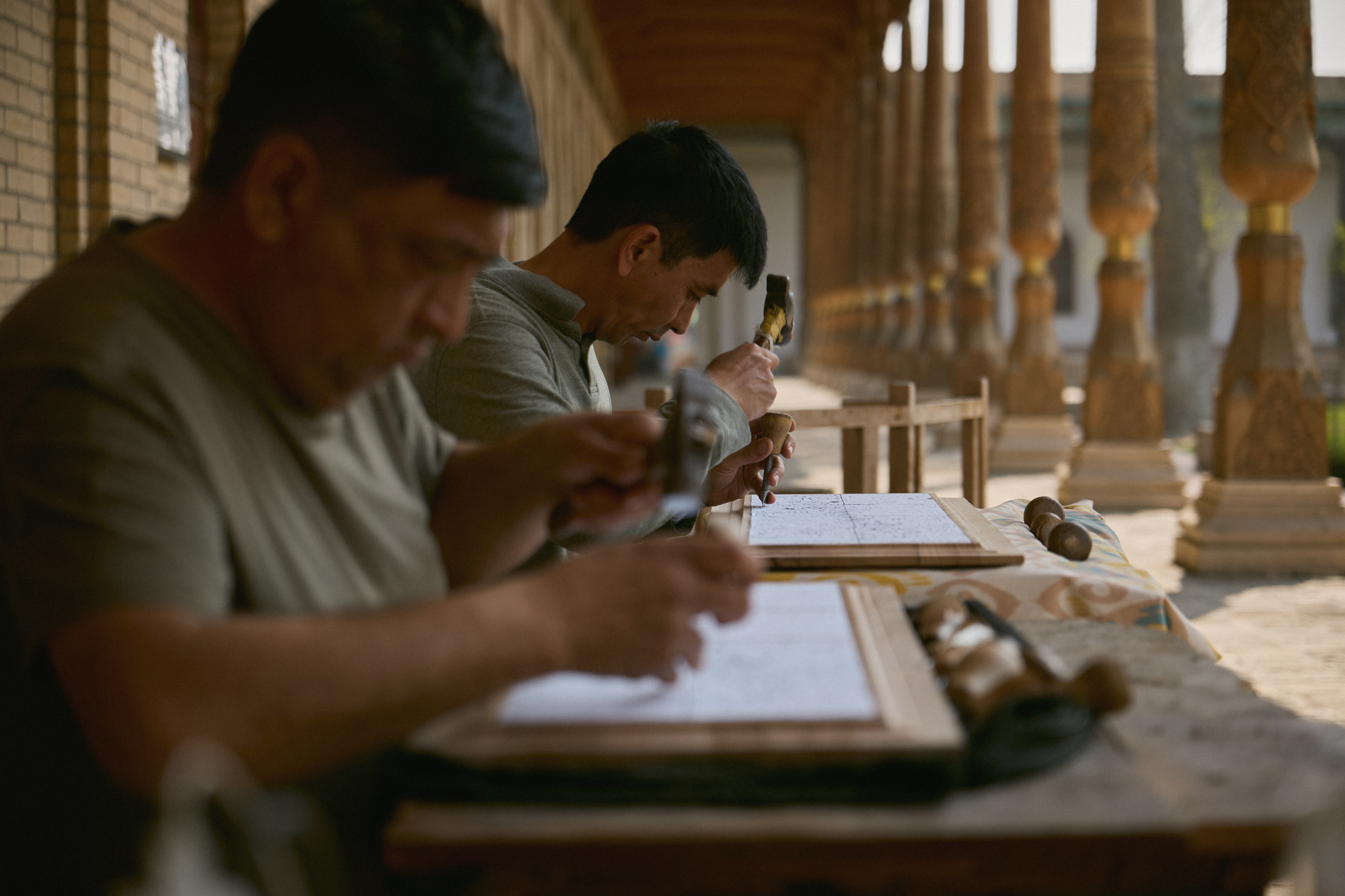
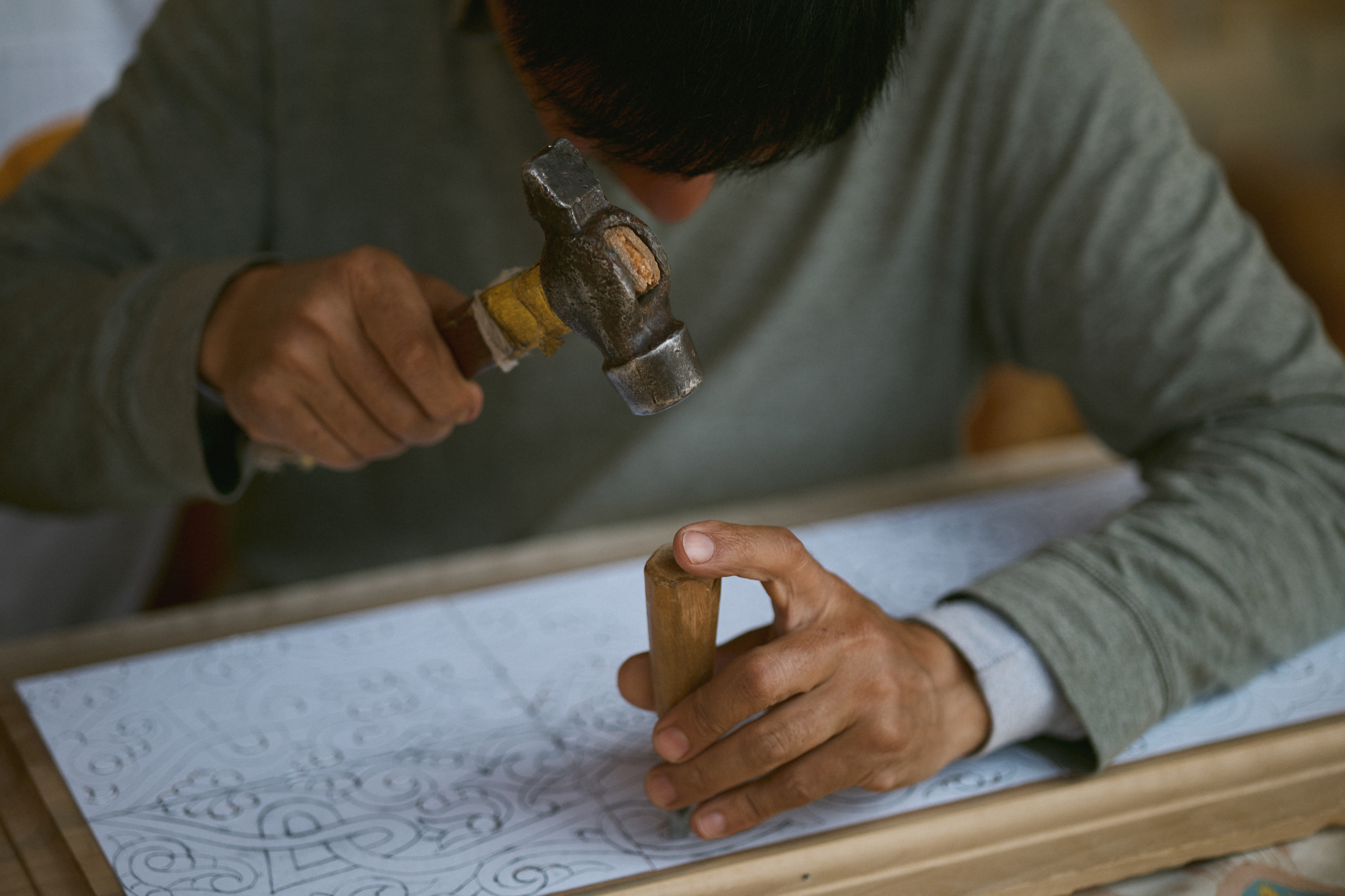
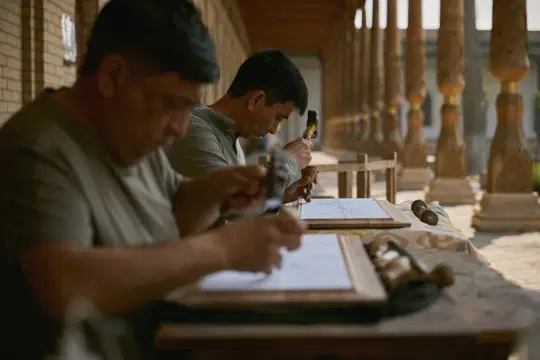
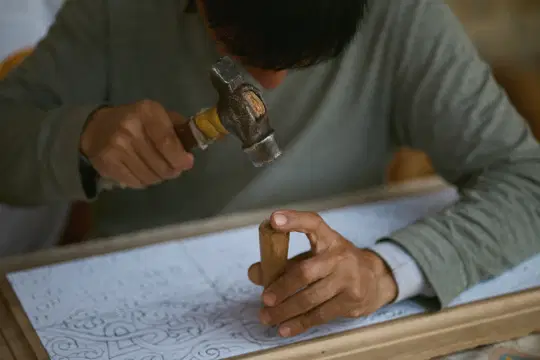
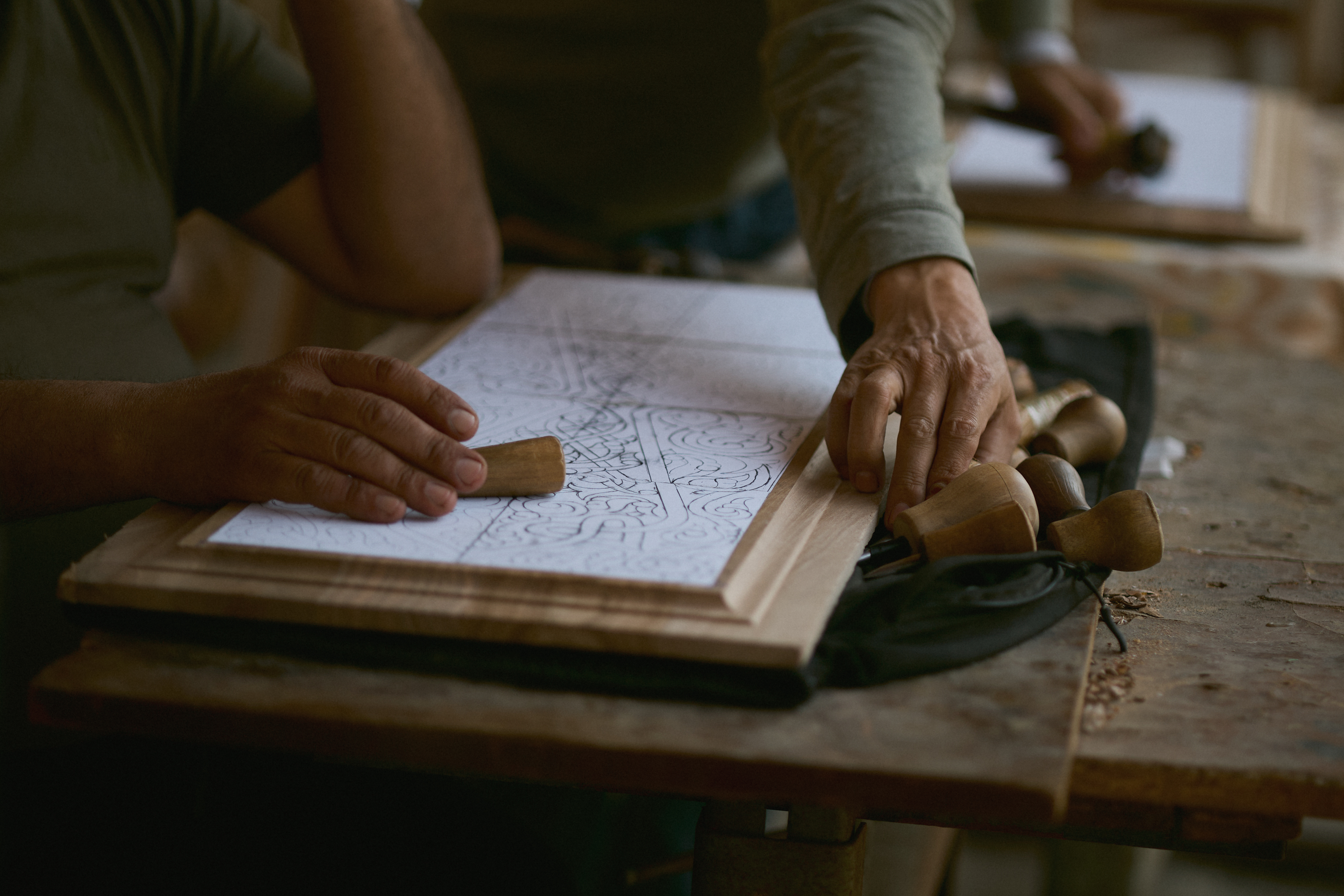
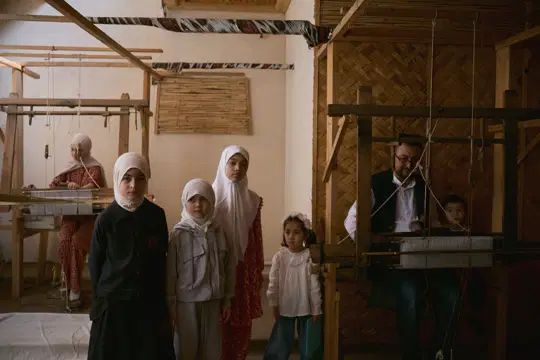
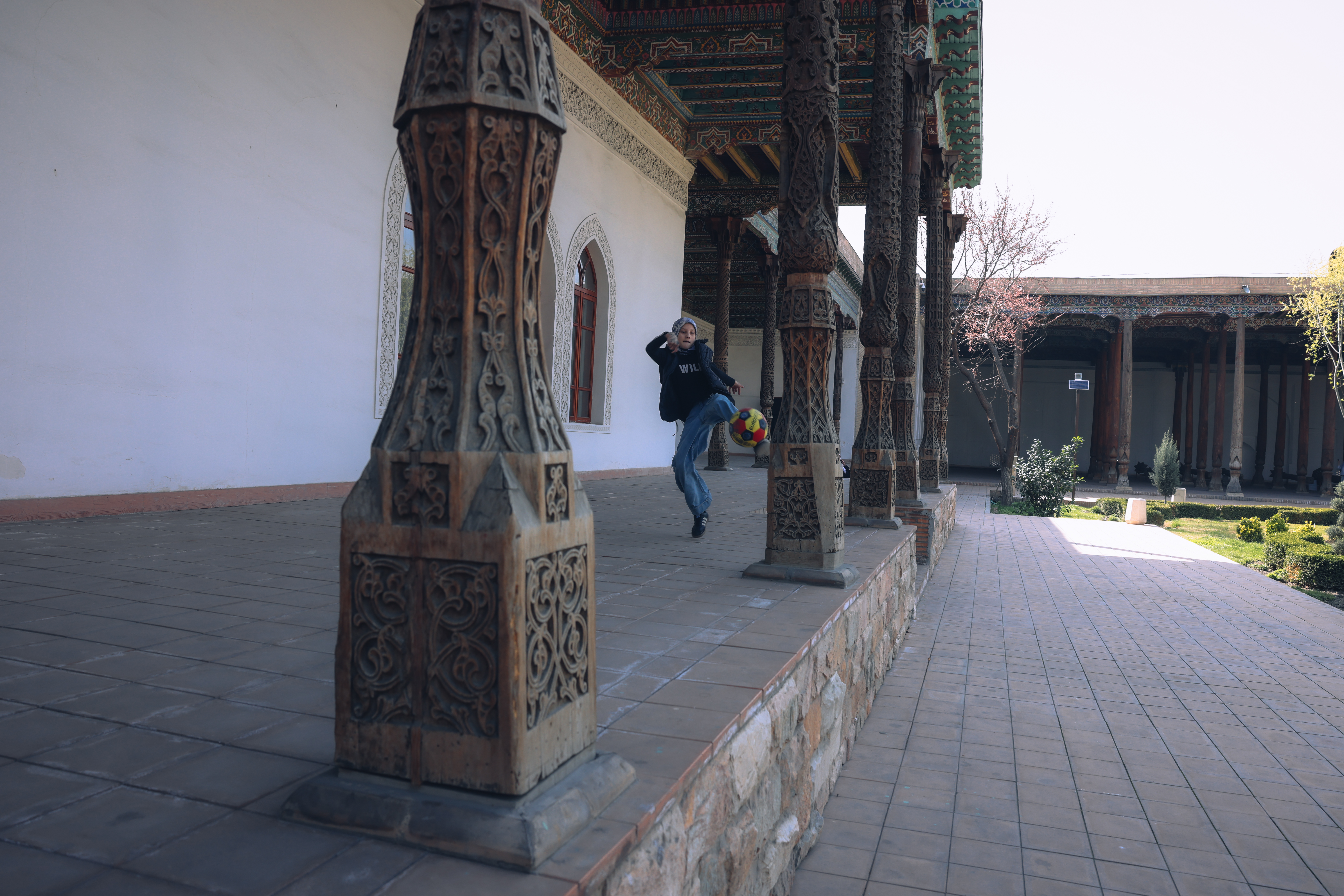
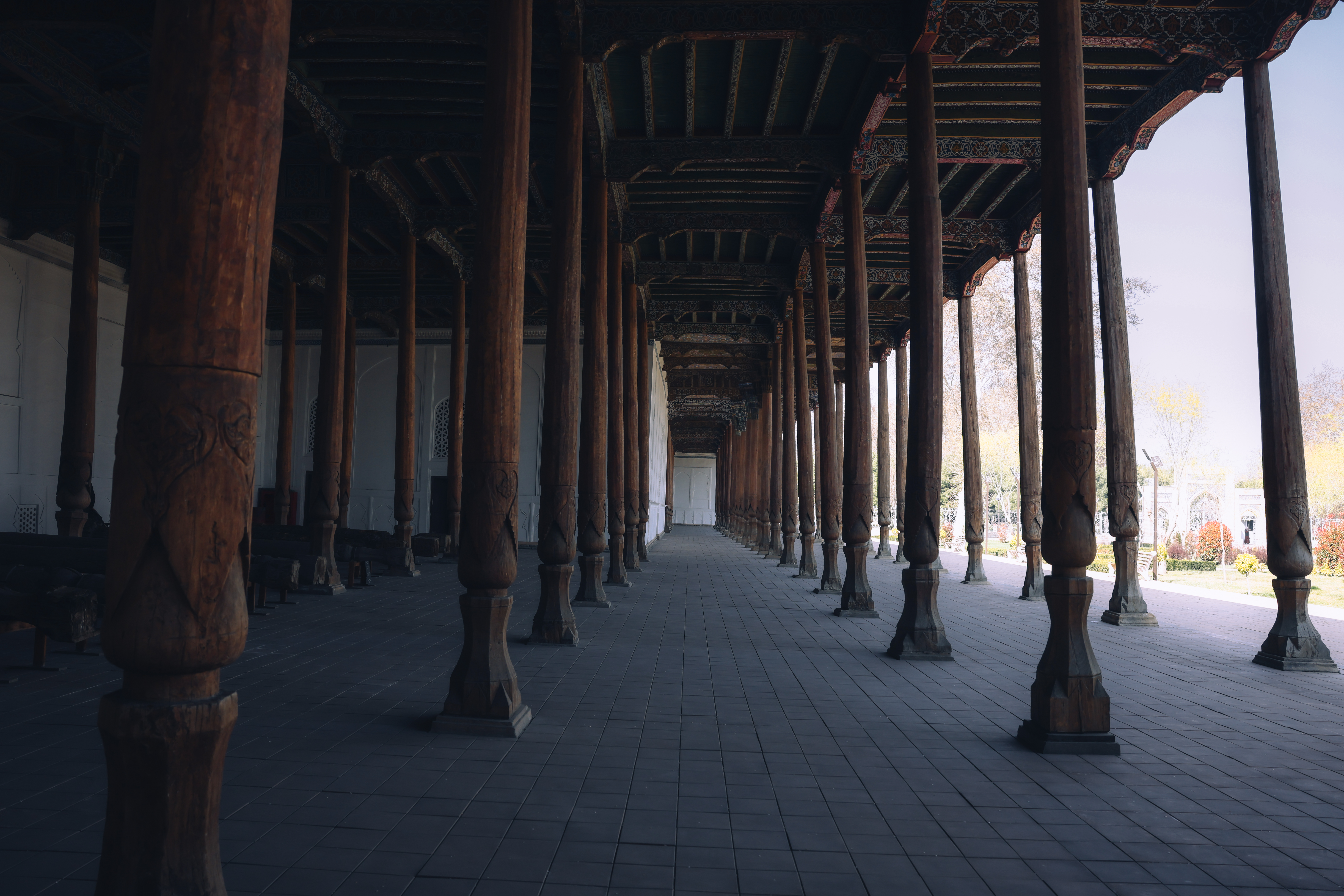
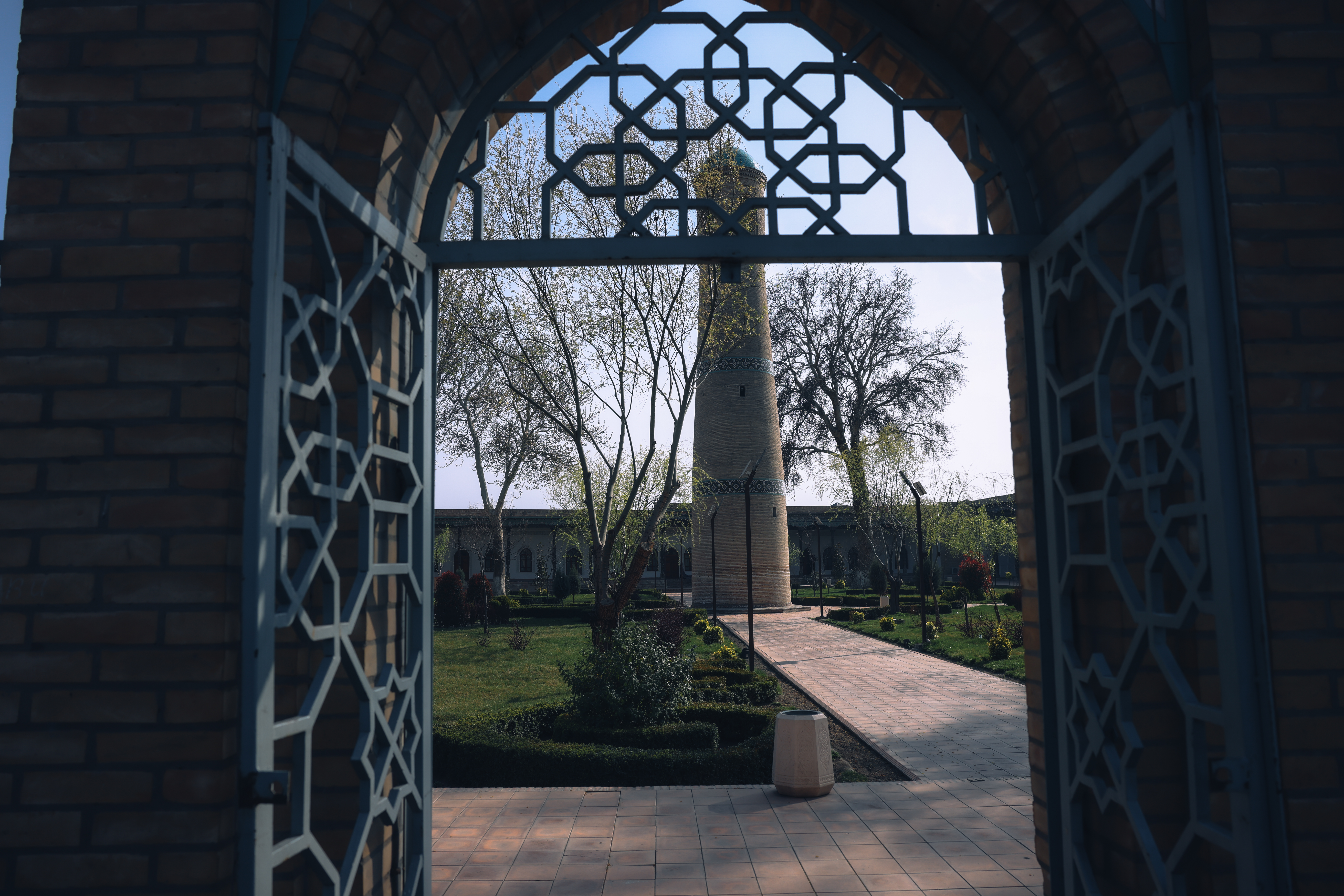
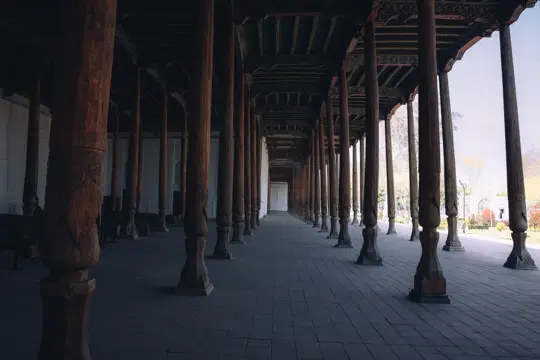
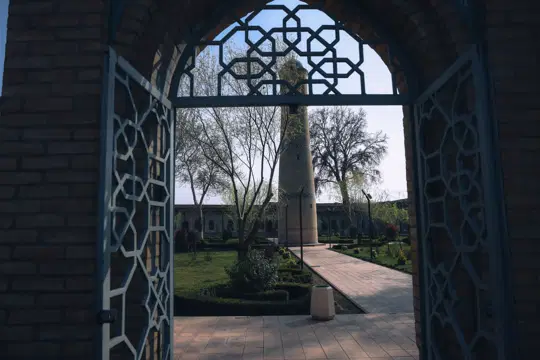
The Jami Mosque complex occupies a considerable expanse of ground, encompassing a minaret that rises twenty-two metres above the central square, a grand iwan supported by ninety-eight carved columns, and a khanaqah, with the hujras of the former madrasa arranged along the perimeter. The entire right-hand section is now given over to the workshops of artisans — weavers, woodcarvers, knifemakers, and potters.
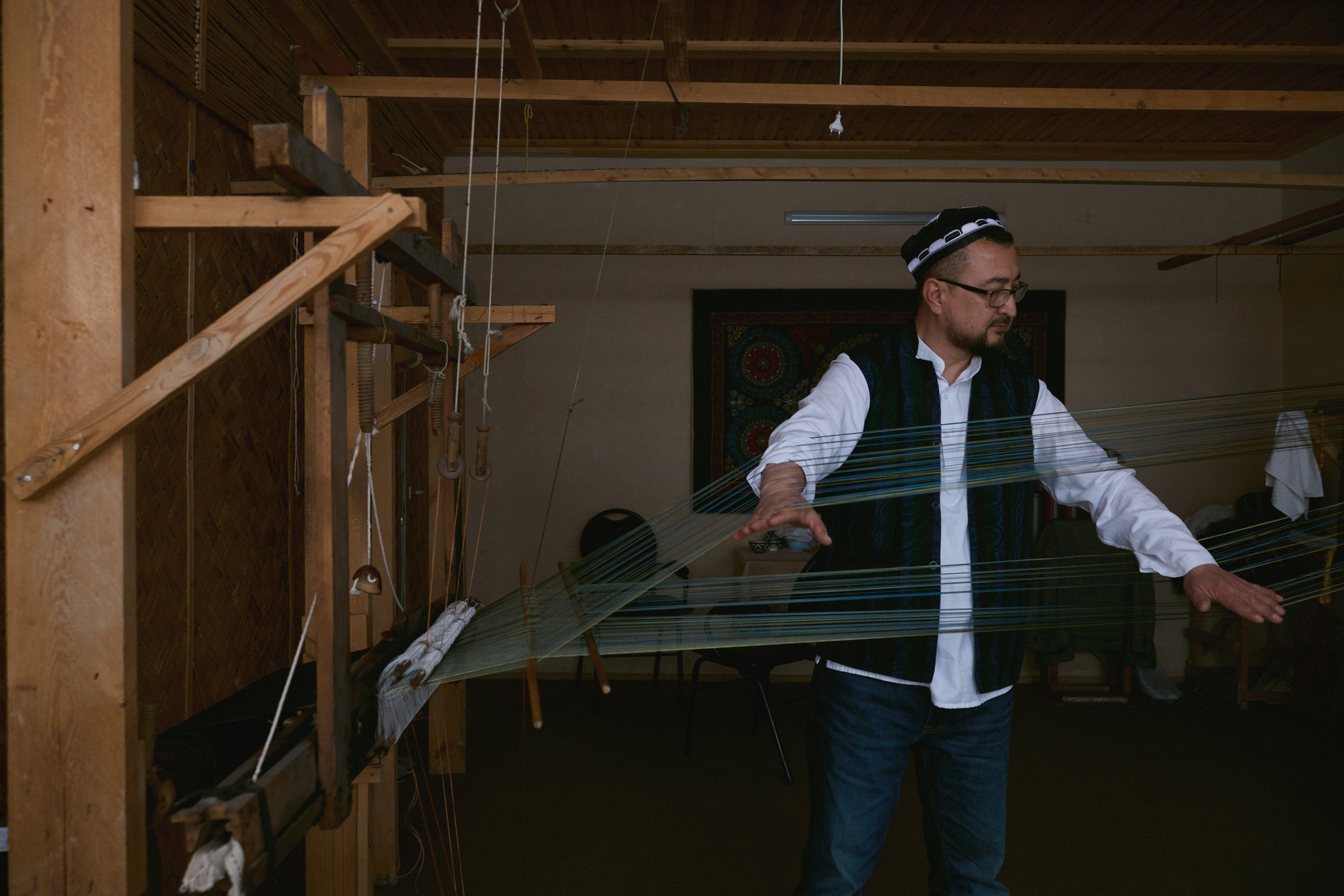
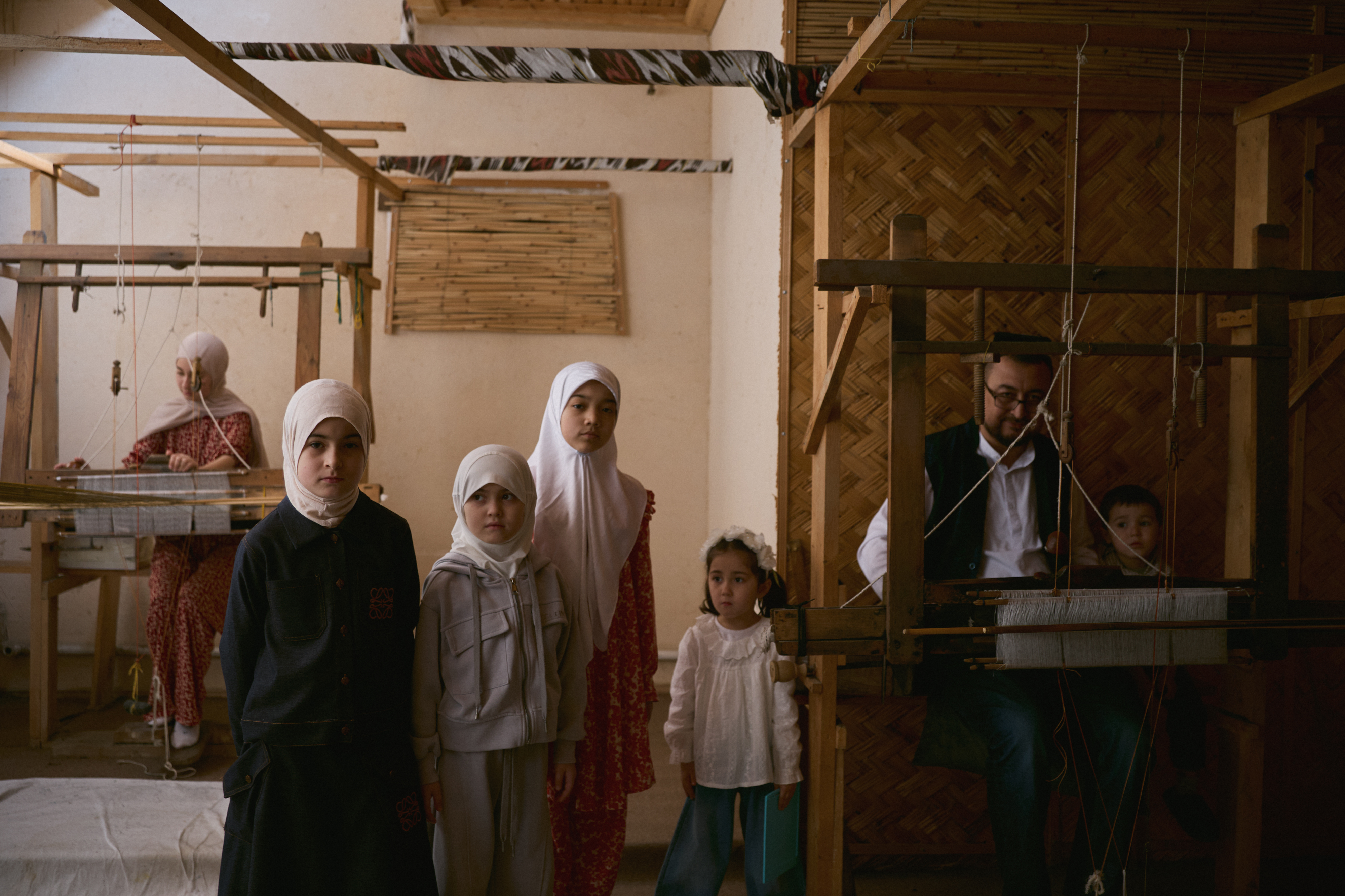
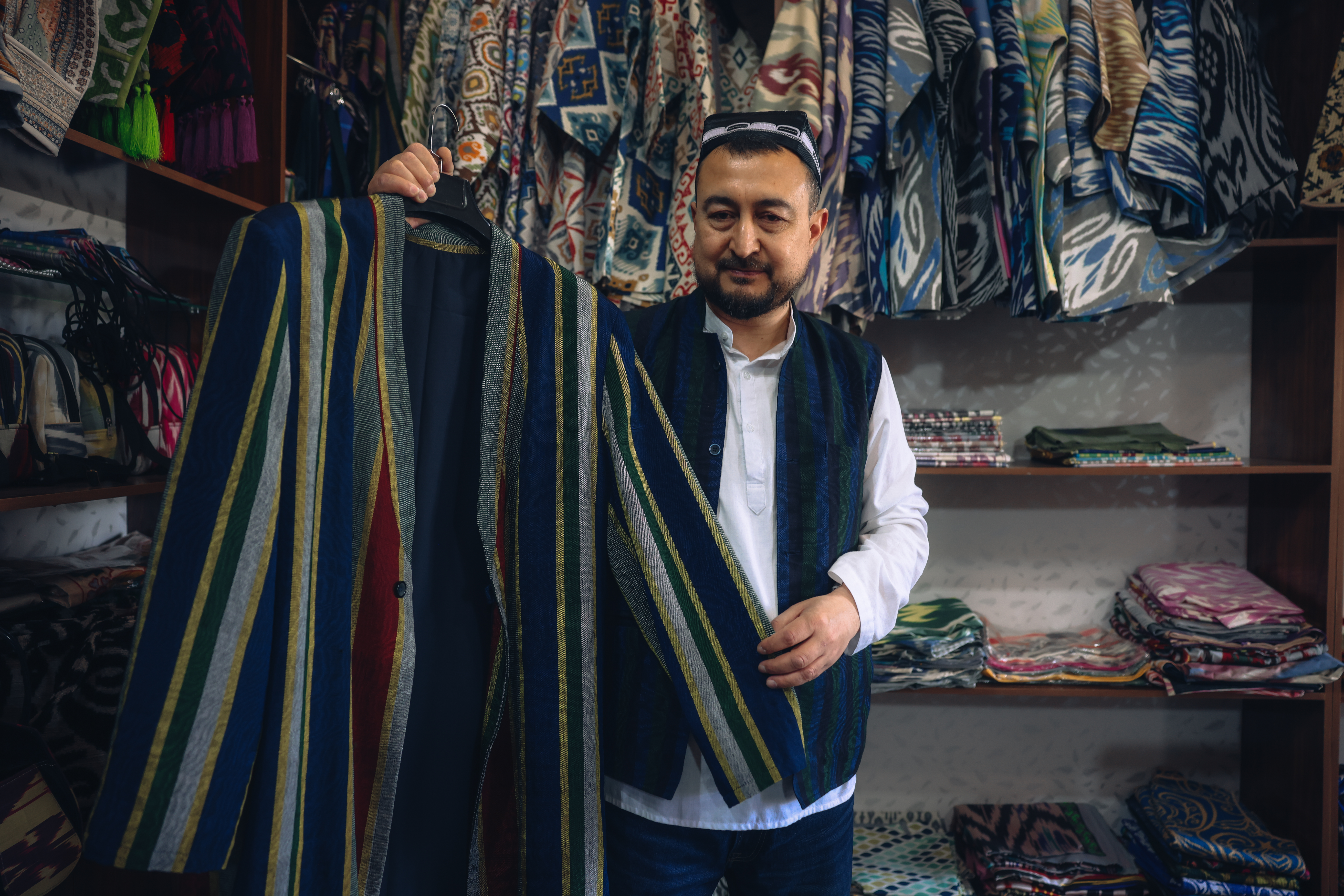
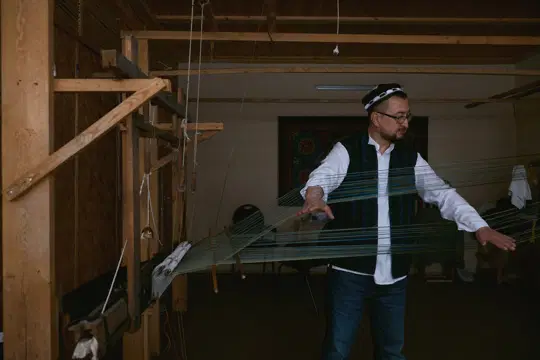
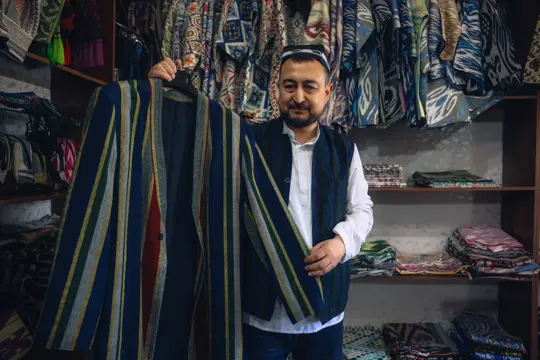
I am particularly fond of visiting Abdulvakhid Karimov, a weaver by hereditary calling. He specialises in the production of men's fabrics using age-old techniques. I know that his textiles have graced the catwalks of Paris and Milan. He is a man of refined taste and the custodian of a tradition devoted specifically to the making of men's striped abr cloth.
Ildar Sadykov
 Photography: Ildar Sadykov, Sergei Pogosyan
 Photography: Ildar Sadykov, Sergei Pogosyan
 Photography: Ildar Sadykov, Sergei Pogosyan
 Photography: Ildar Sadykov, Sergei Pogosyan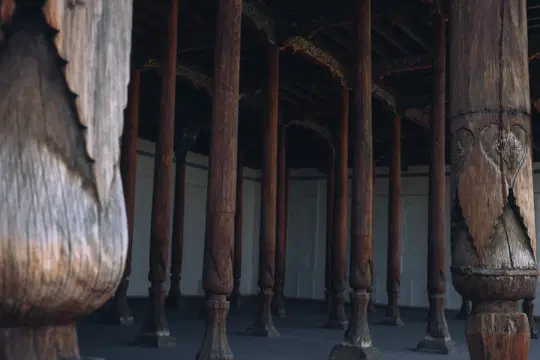
It is, of course, a well-established fact that the Valley is a land of craftsmen. Very nearly the whole of Uzbekistan's material and exportable culture originates here — the adras and silk of Margilan, the tubeteikas of Chust, the pichok knives, the ceramics of Rishtan. Yet that is not all. The people of the Valley have been renowned for their piety since time immemorial. Uzbekistan is home to a great many religious monuments, some far older and more imposing, yet it is within the two-hundred-year-old Jami — a mosque no longer in active use — that an incomparable aura of grace and tranquillity endures, one hallowed by a devotion to the cult of craftsmanship.
 Photography: Ildar Sadykov, Sergei Pogosyan
 Photography: Ildar Sadykov, Sergei Pogosyan
 Photography: Ildar Sadykov, Sergei Pogosyan
 Photography: Ildar Sadykov, Sergei Pogosyan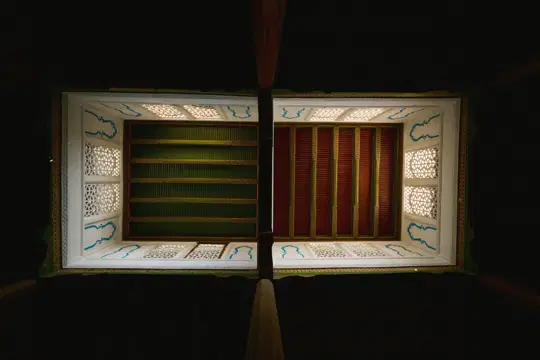
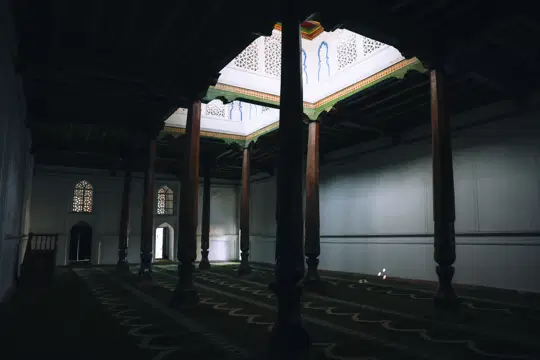
The monument's life as a mosque came to an end in 1930, while the madrasa had been dissolved even earlier. Guides delight in recounting tales of criminals and unfaithful wives being put to death by being cast from the top of the minaret — though to the modern eye, it must be said, the tower does not appear especially formidable. They also tell of how, during the reign of Alimkhan, construction of the mosque was halted on the grounds that it was being financed by ill-gotten means — money extorted from ordinary people. Such was the moral authority wielded by the spiritual leaders of the day.
 Photography: Ildar Sadykov, Sergei Pogosyan
 Photography: Ildar Sadykov, Sergei Pogosyan
 Photography: Ildar Sadykov, Sergei Pogosyan
 Photography: Ildar Sadykov, Sergei Pogosyan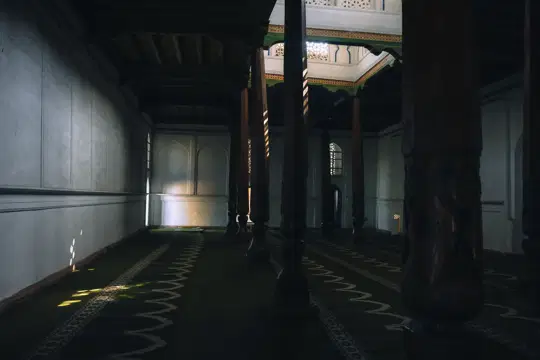
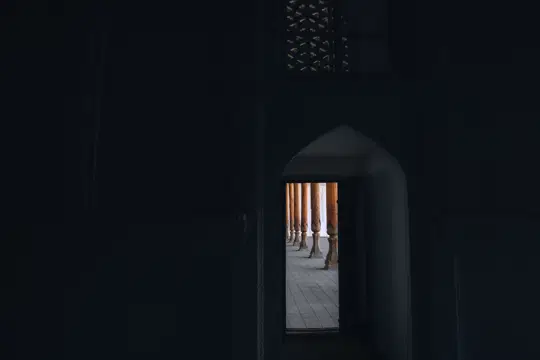
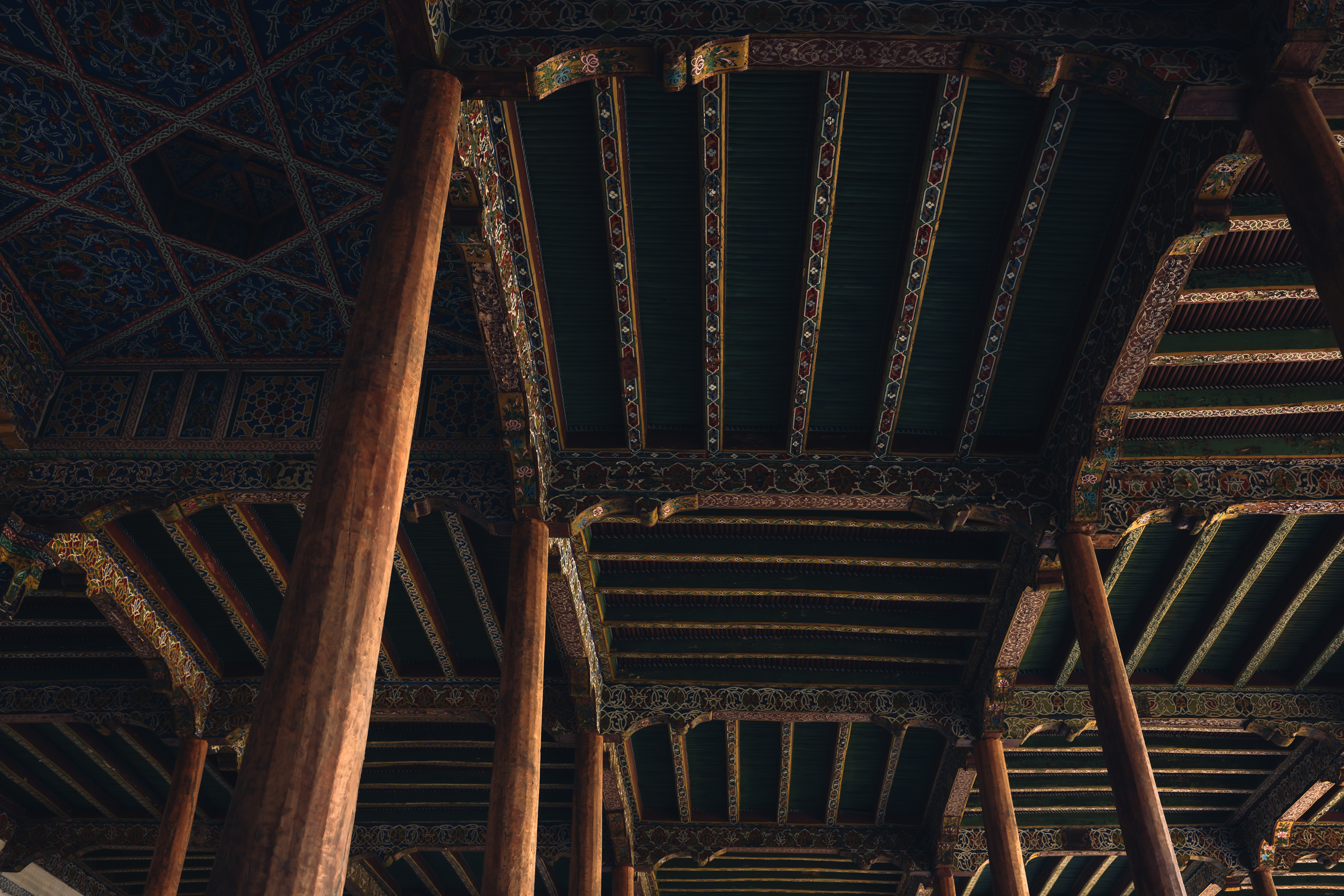
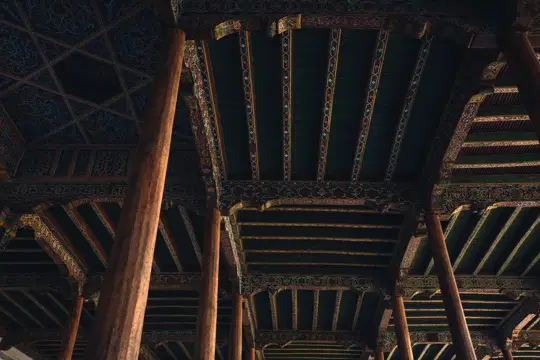
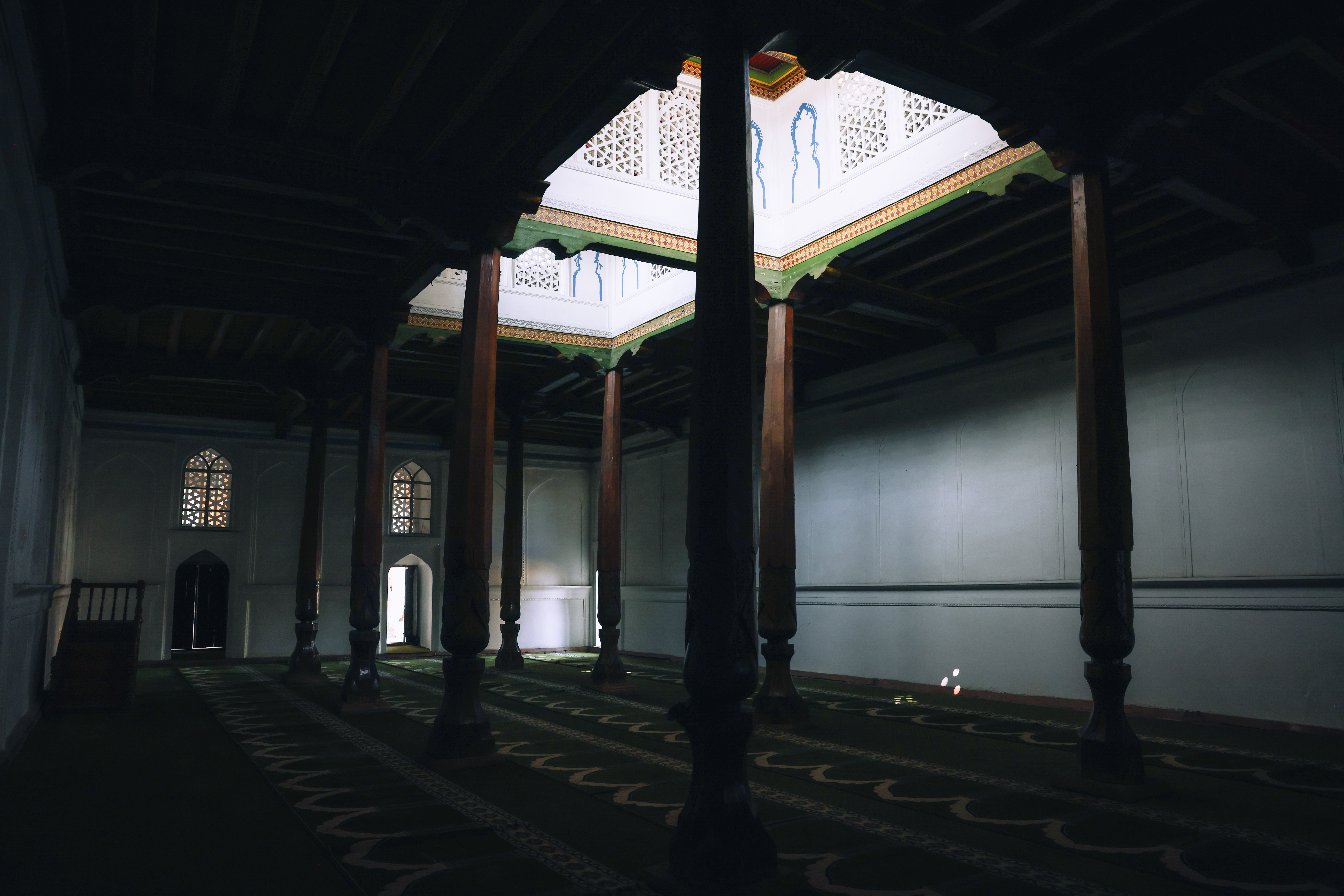
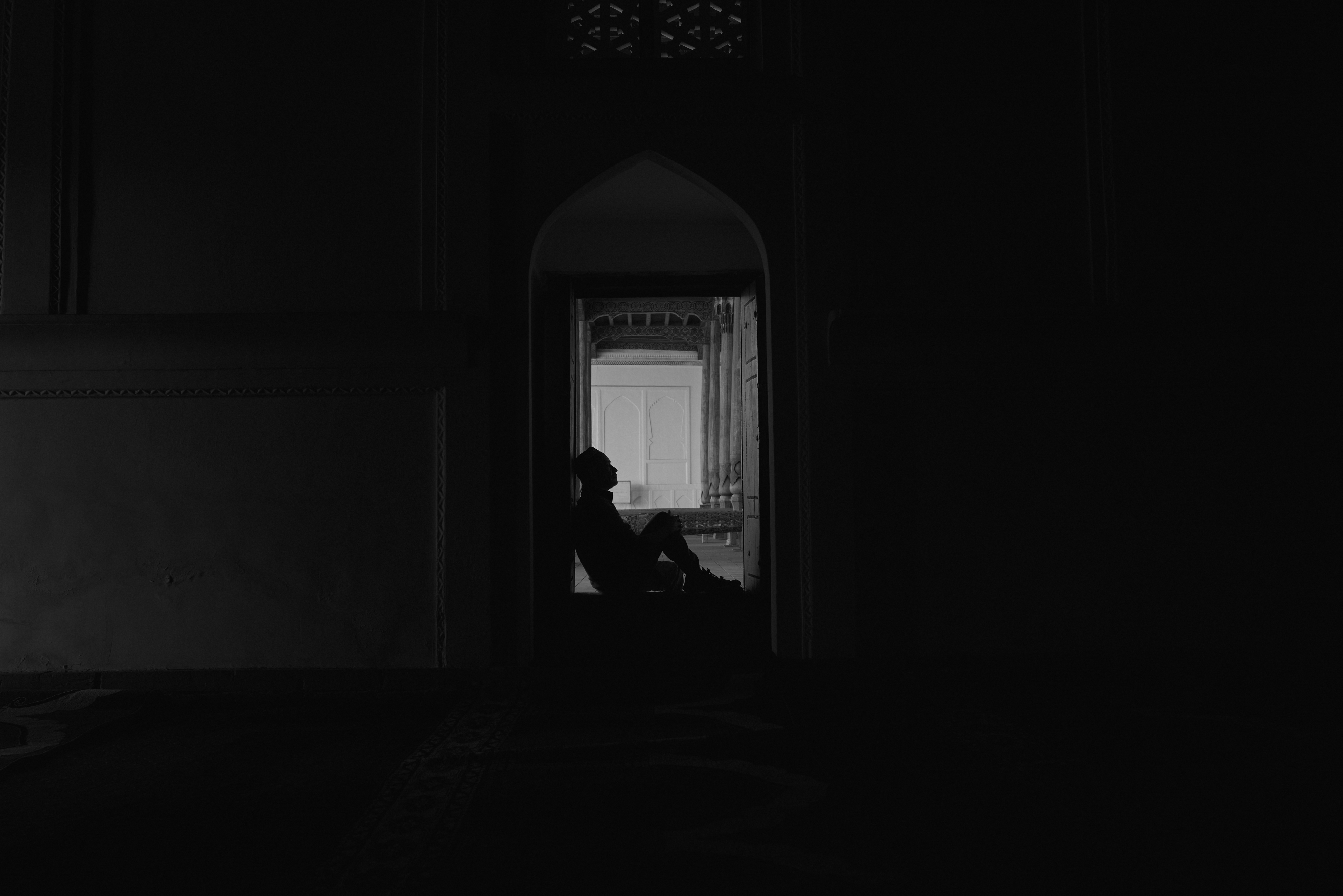
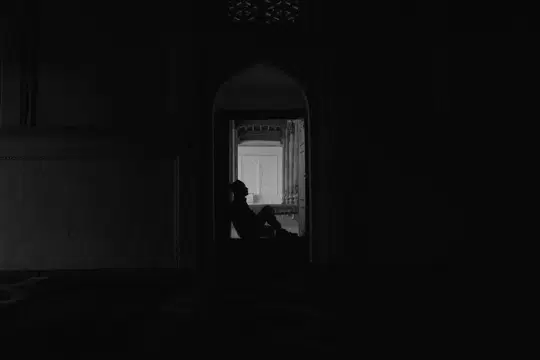
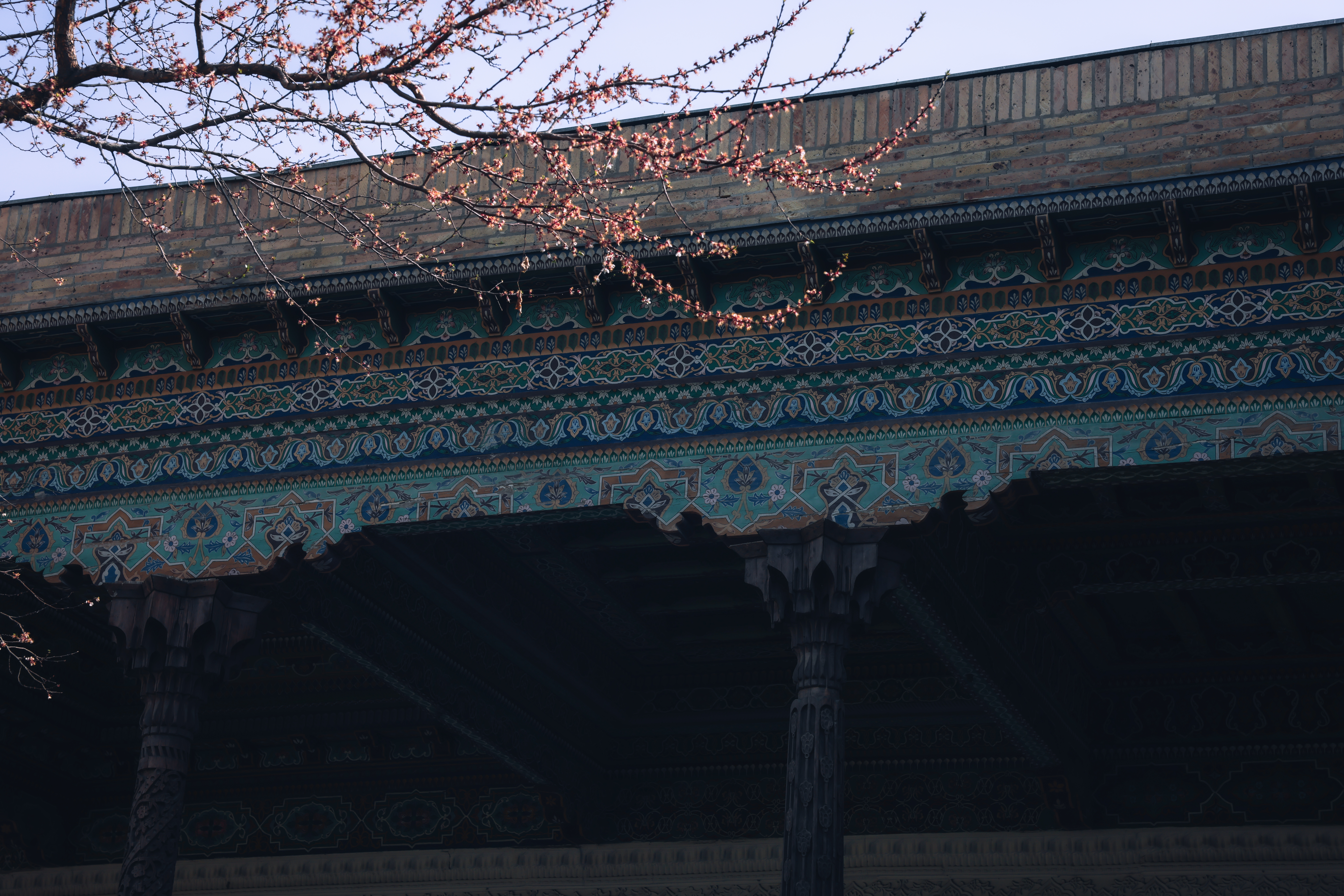
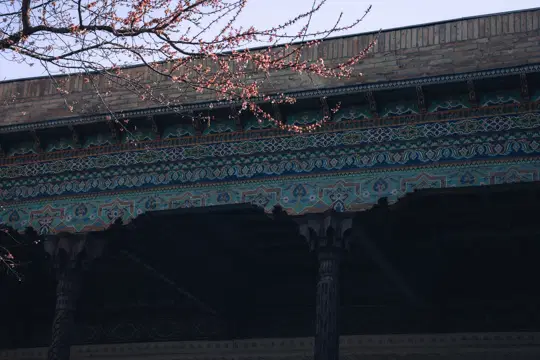
Yet the finest thing one can do here is simply to linger in the silence of the place. To lose oneself among a hundred carved elm columns, to tilt one's head back and contemplate the painted ceilings of the mosque's iwan, executed in the celebrated Fergana style. To marvel at the filigree intricacy of the ganch plasterwork adorning the mosque's walls. To step inside the khanaqah, where, in its gentle half-light — there are no electric lamps, and only natural illumination prevails — and in absolute stillness, one may reflect on whatever lies closest to the heart, or offer up a prayer. Jami is a place consecrated by centuries of devotion. It is said that as far back as the tenth century a mosque stood here on Chorsu Square. The present building was created by two hundred of the finest masters of the Khanate of Kokand at the height of its glory, and it astonishes with its harmony and austere magnificence — though it is the atmosphere, above all else, that leaves the deepest impression.
 Photography: Ildar Sadykov, Sergei Pogosyan
 Photography: Ildar Sadykov, Sergei Pogosyan
 Photography: Ildar Sadykov, Sergei Pogosyan
 Photography: Ildar Sadykov, Sergei Pogosyan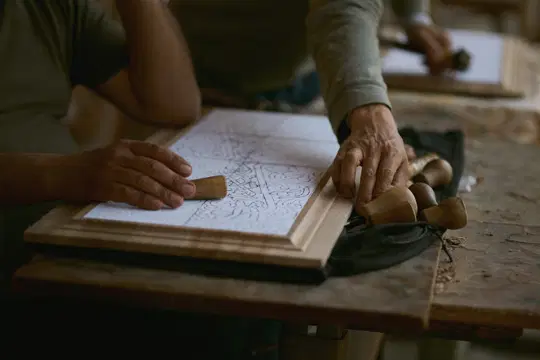
Kokand is also the birthplace of another celebrated attraction — one of an altogether edible nature. The Kokand halva has recently been entered into a dedicated register as a protected geographical indication.
It transpires that in former times Kokand halva was prepared in the courtyard of the mosque, and its sweet, beguiling fragrance would drift across the entire precinct. The confection was distributed to worshippers on days of remembrance and celebration. Today, production has naturally moved beyond the mosque's boundaries — though every visitor may purchase halva bearing the well-known local brand at a small shop situated close by.
Ildar Sadykov
 Photography: Ildar Sadykov, Sergei Pogosyan
 Photography: Ildar Sadykov, Sergei Pogosyan
 Photography: Ildar Sadykov, Sergei Pogosyan
 Photography: Ildar Sadykov, Sergei Pogosyan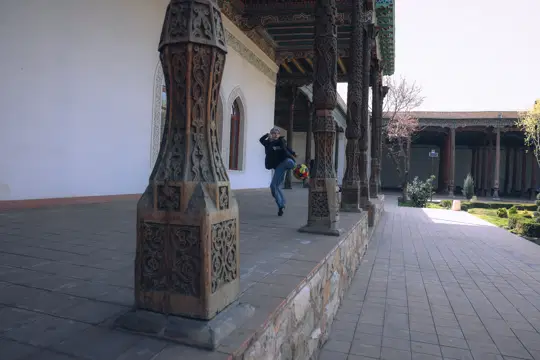
And — as is ever the case in Uzbekistan — the history of the Jami complex weaves together, in one intricate pattern, religion, mysticism, the might of khanly dominion, the grandeur of human talent, and the simple, earthly pleasures of life.


