
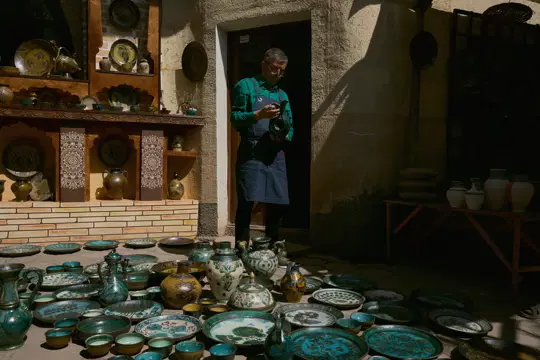
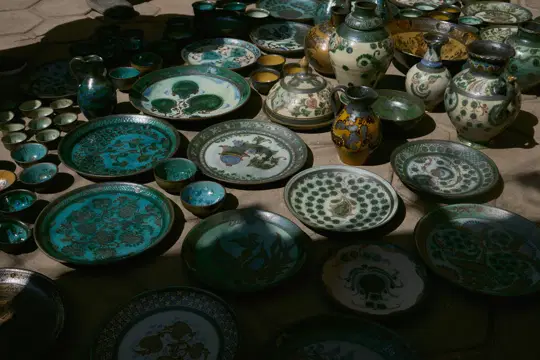
Rishtan ceramics, with their characteristic blue glaze, have long become a local brand of Uzbekistan, celebrating national applied art far beyond the country's borders. For nearly two centuries, local red clay has been used here to create pottery that travels the world as souvenirs, museum exhibits, and objects of pride for royalty, collectors, and gallerists.
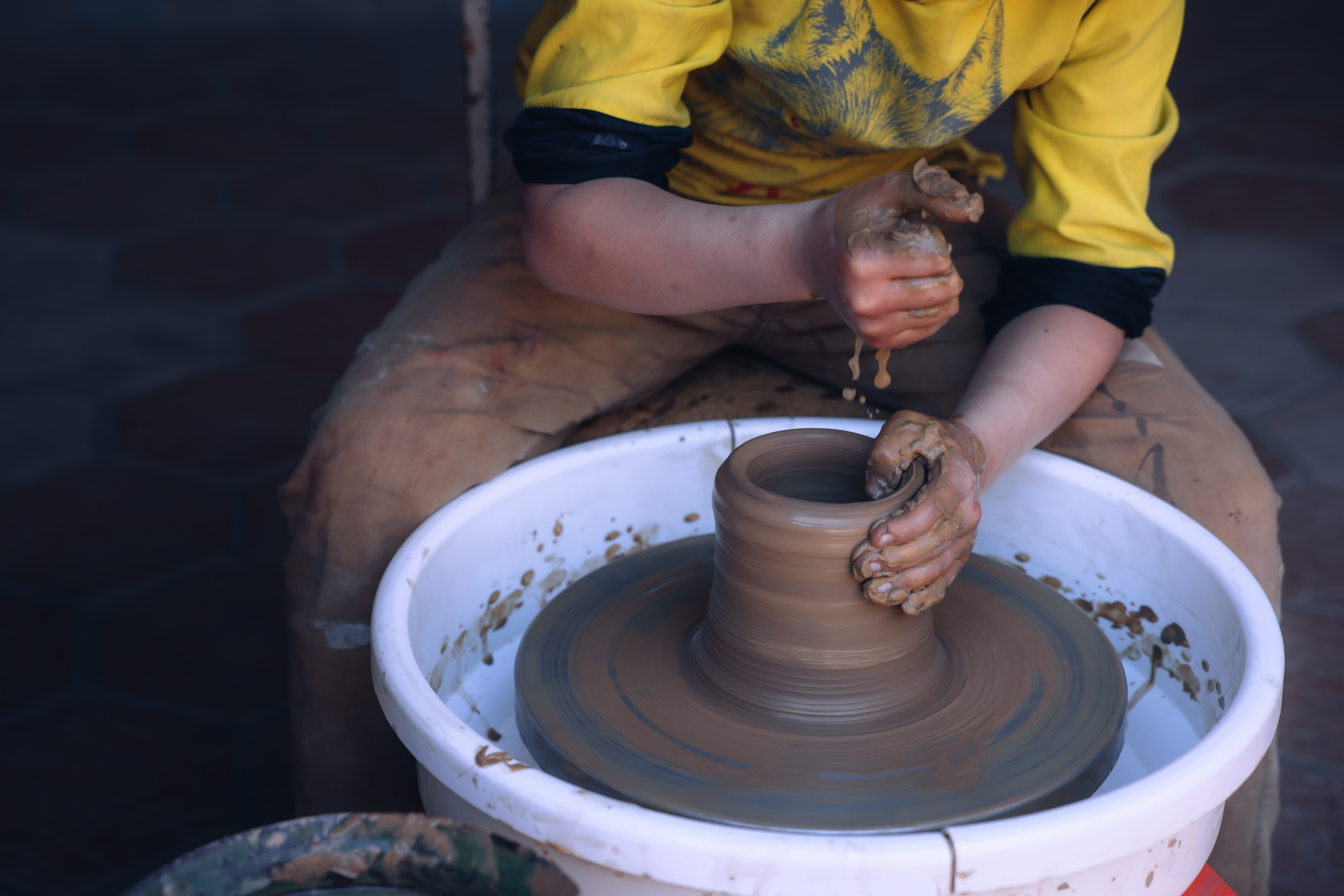 Photo: Ildar Sadykov
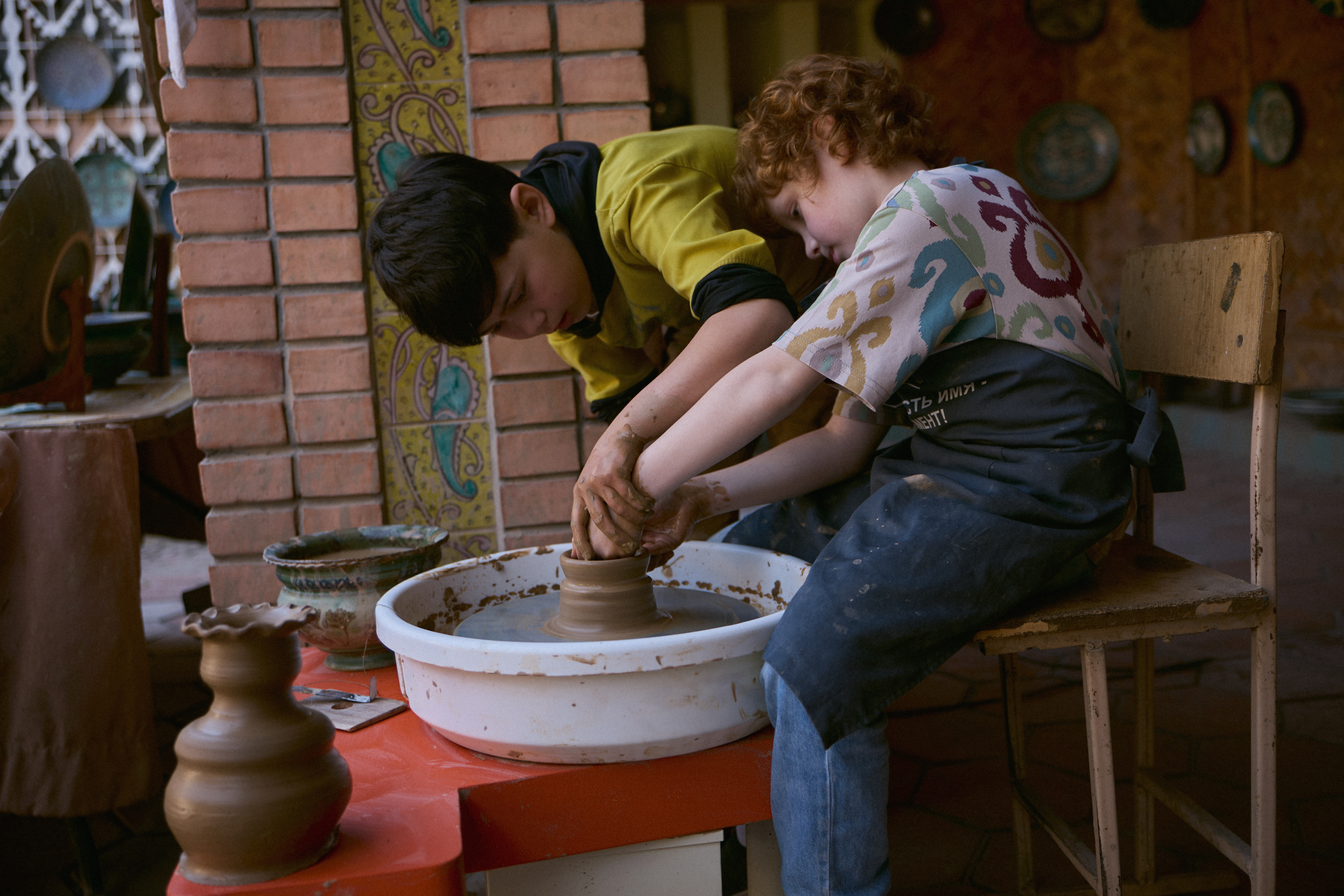 Photo: Ildar Sadykov
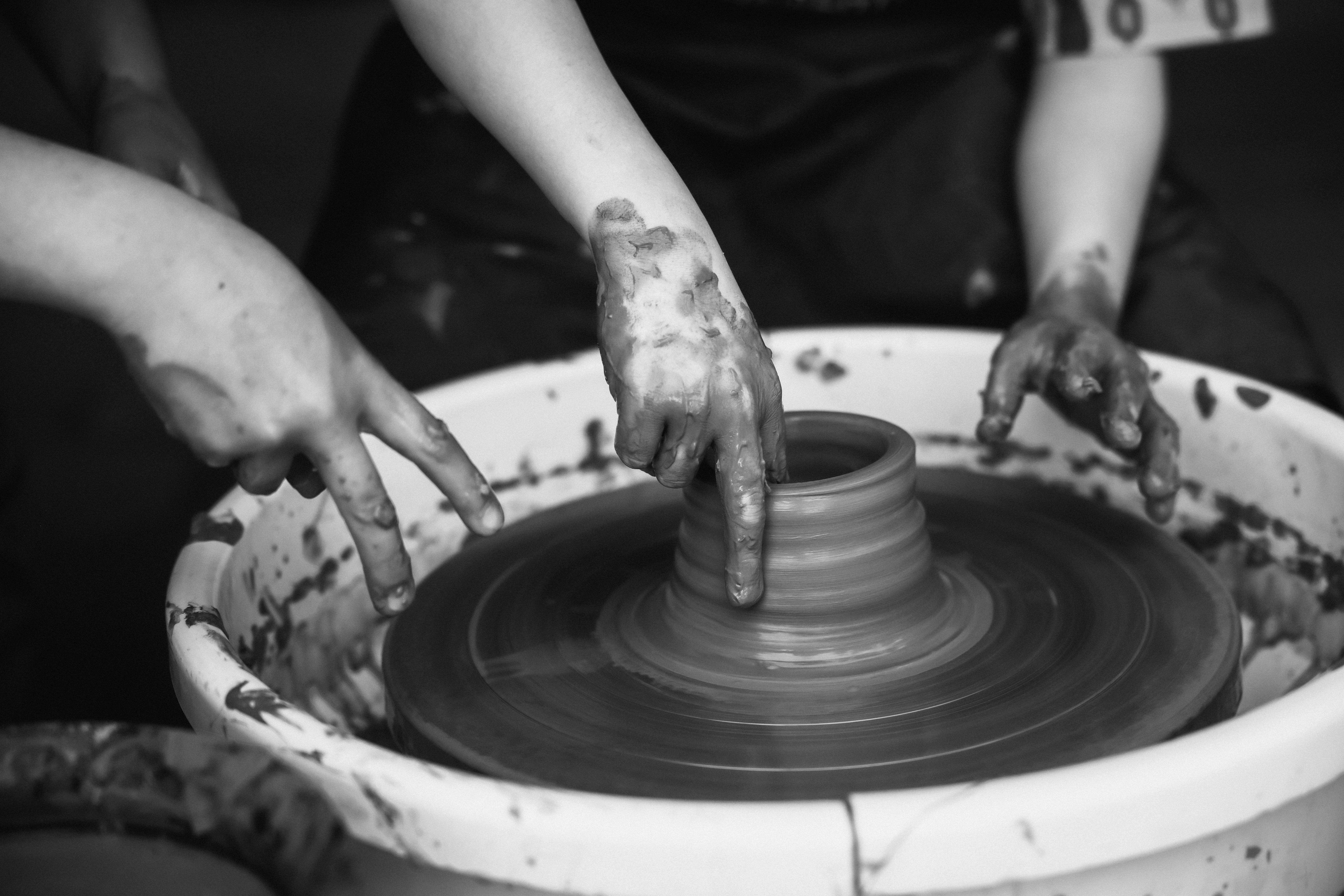 Photo: Ildar Sadykov
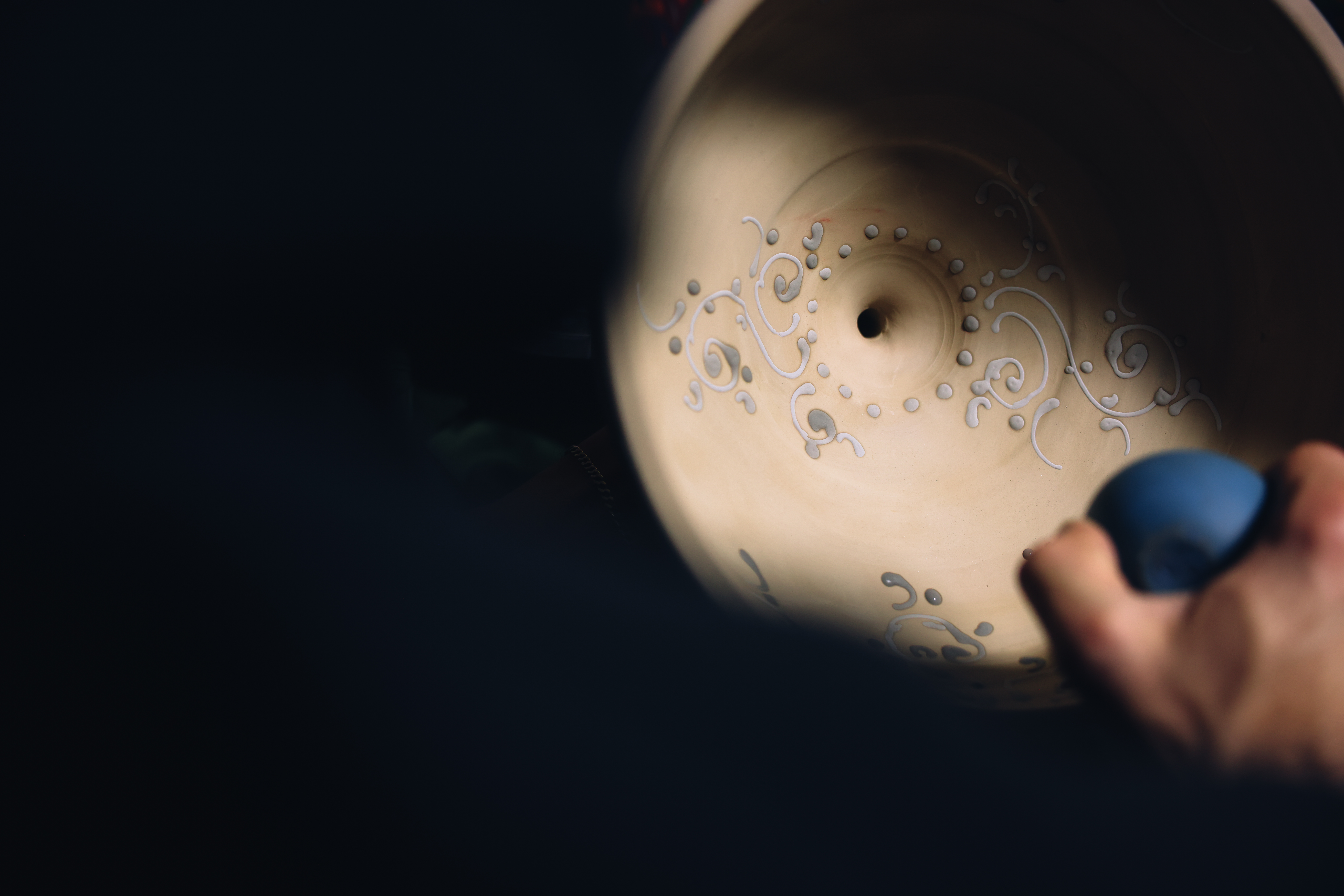 Photo: Ildar Sadykov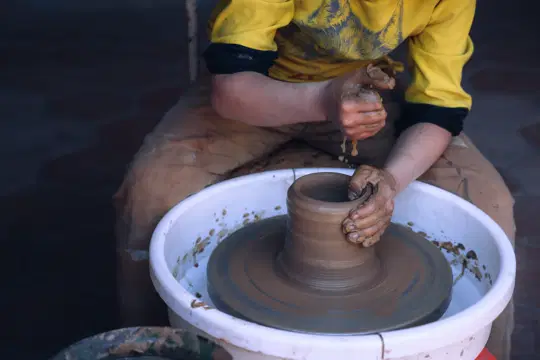
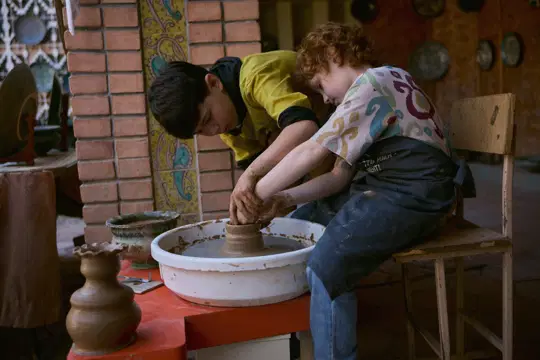
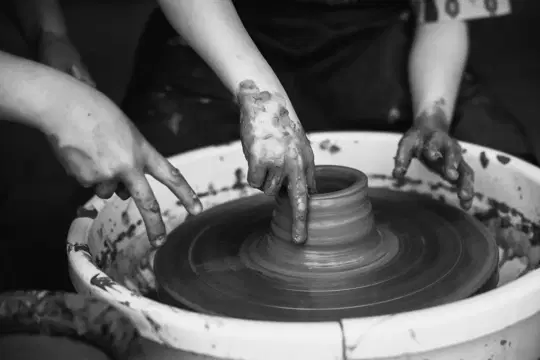
A small town in the Fergana Valley, Rishtan has long been rich in talented kulol and naqqosh masters, who created exquisite examples of ceramics not for everyday use, but as works of art. In the 20th century, a factory was established here, where entire artels of ceramists went to work; regional patterns became standardised and turned into stamps.
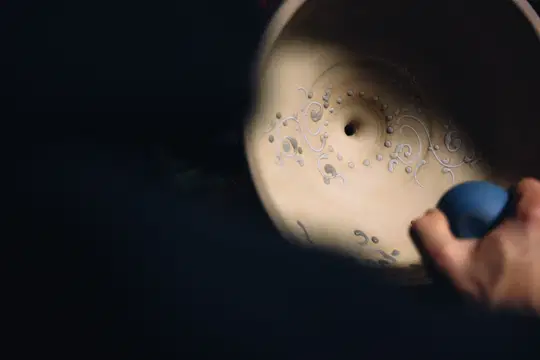
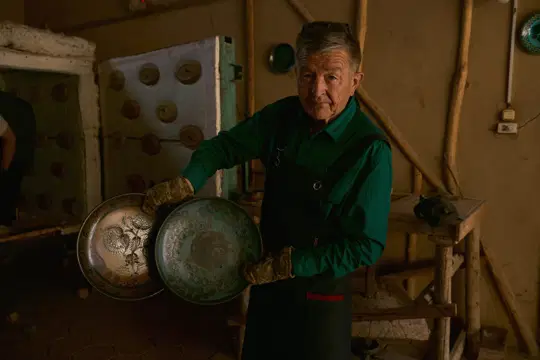
Later, on the ruins of the Soviet era, hereditary ceramists began to restore traditional forms, recipes, and meanings, painstakingly reviving the regional school of ceramics. One of them is Alisher Nazirov. Contrary to stereotype, he was the first in his family to take up ceramics, with his relatives following in his footsteps. He elevated artistic experiments with traditional ishkor glaze to a completely new level, adding metal oxides to diversify the shades, texture, and appearance of the coating.
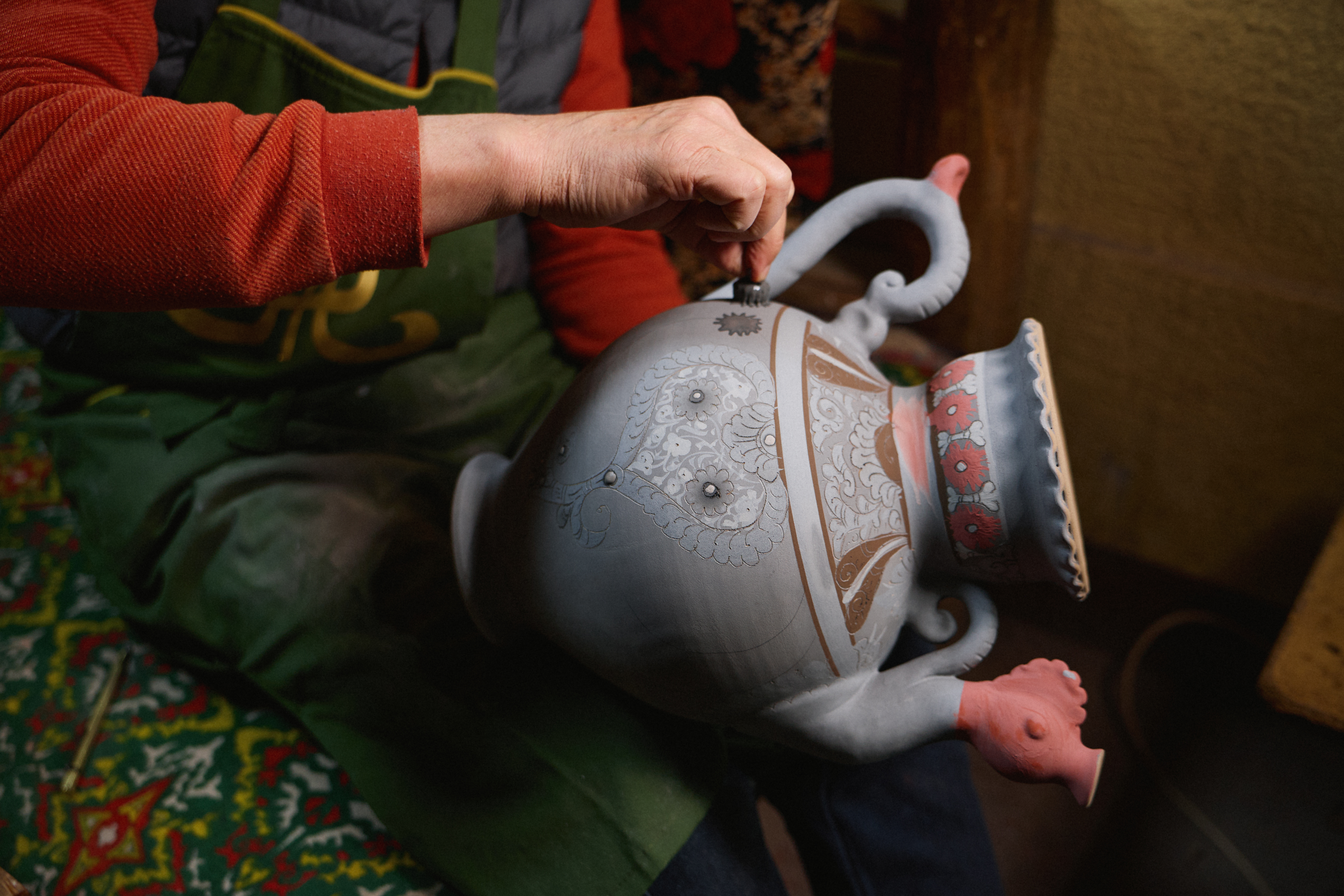 Photo: Ildar Sadykov
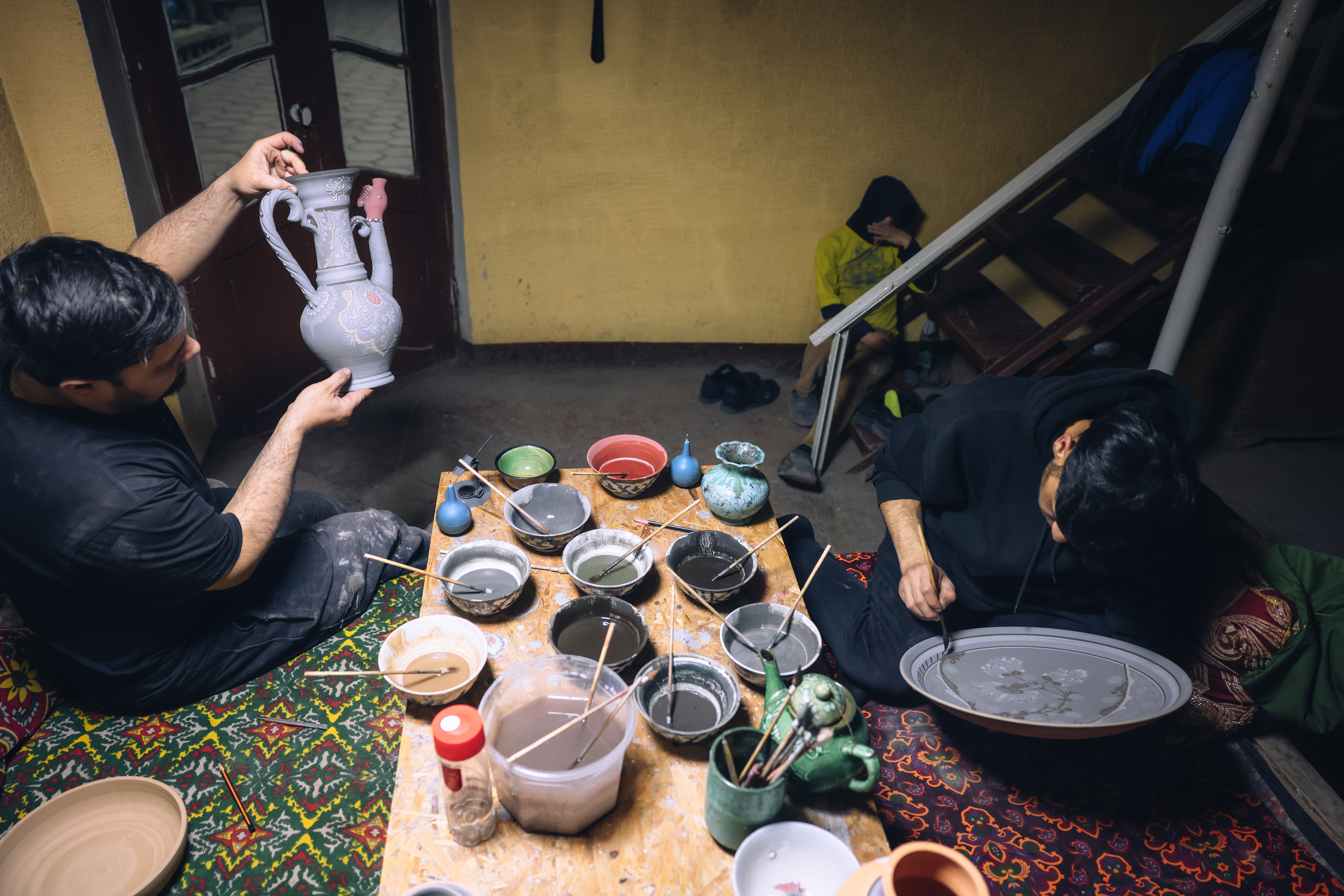 Photo: Ildar Sadykov
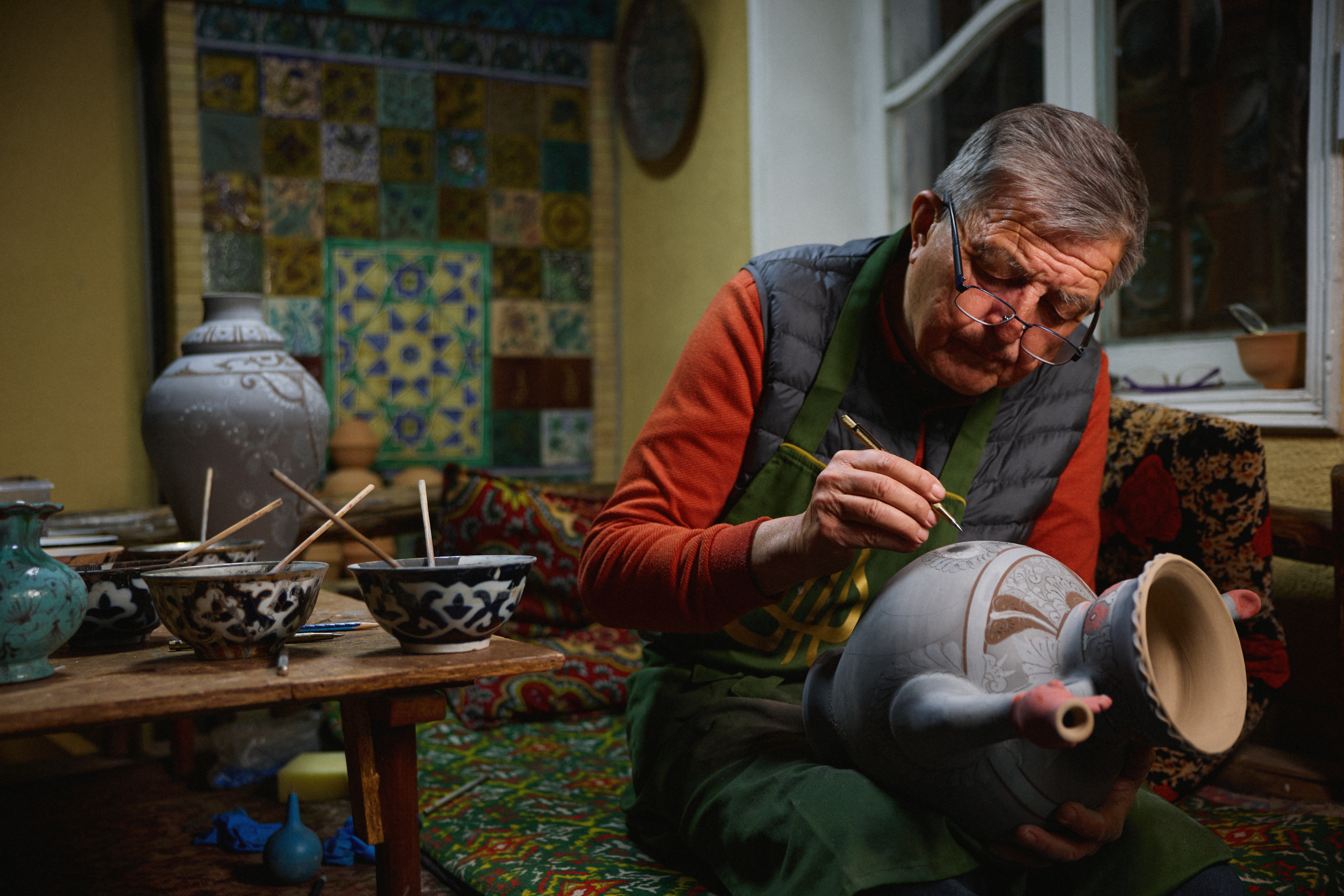 Photo: Ildar Sadykov
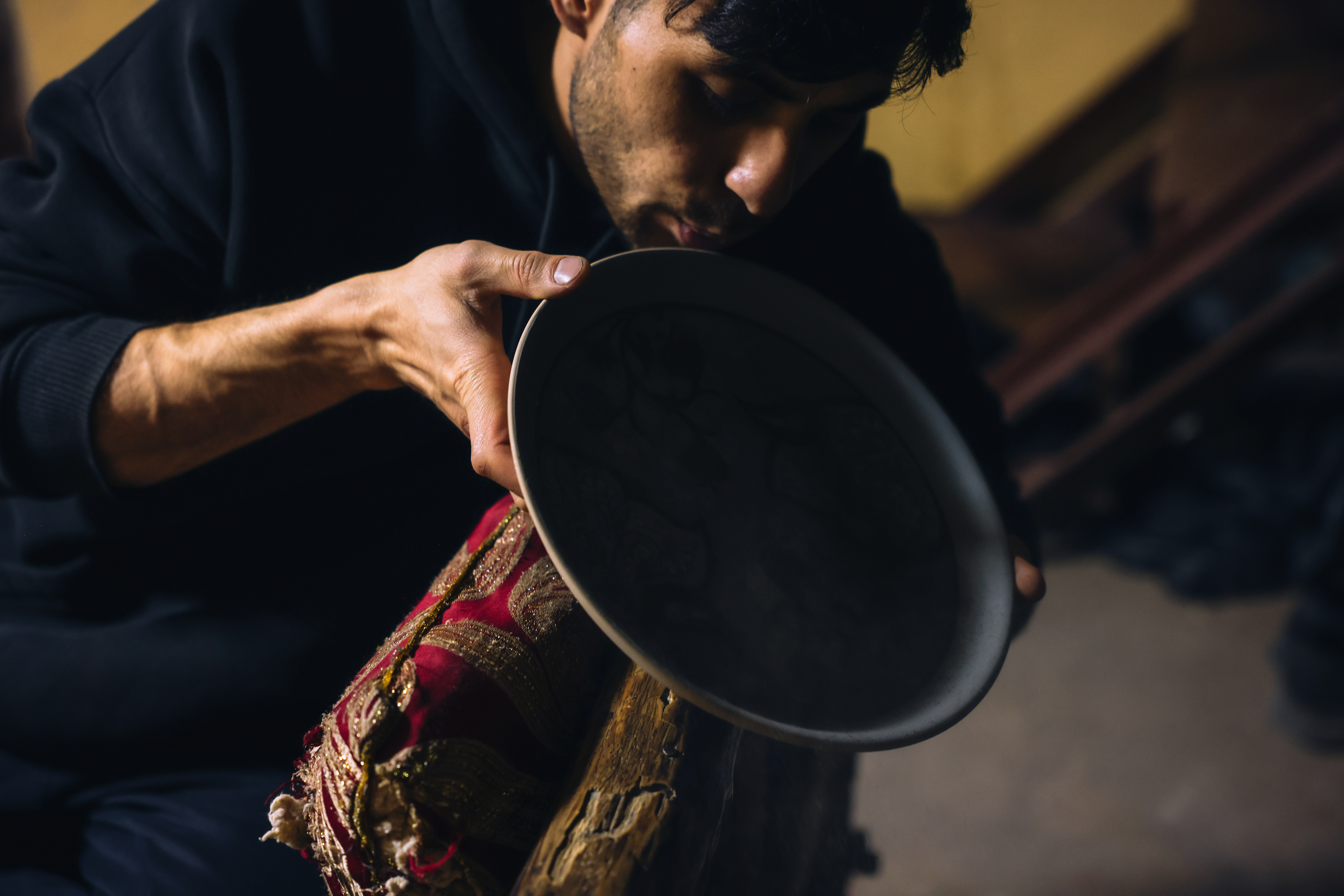 Photo: Ildar Sadykov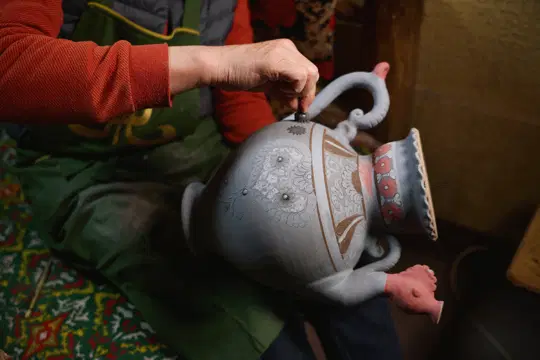
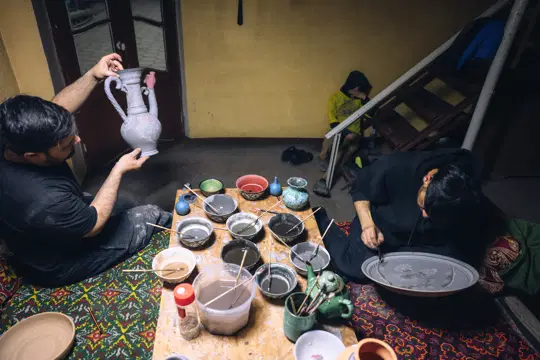
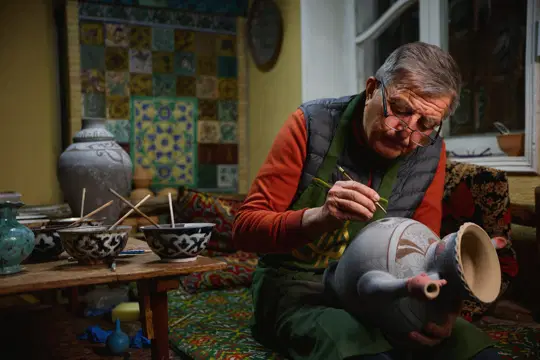
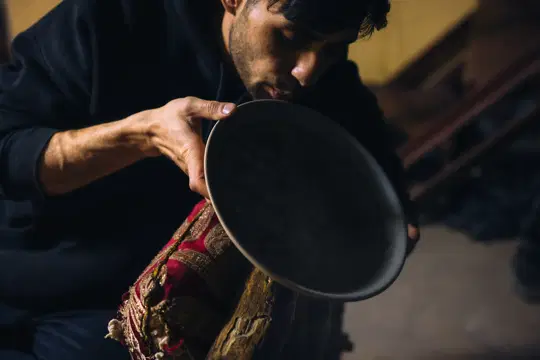
His workshop in his native Rishtan receives foreign guests as often as any embassy mission. Enchanted, visitors listen to the master's stories, watching as incredible patterns emerge from under his brushes. Nazirov's artistic world is the fruit of knowledge, experiments, exceptional talent, and Eastern contemplation.
His name is indeed known worldwide: from Japan to Europe. His works have entered the collections of the State Museum of Arts of Uzbekistan, the State Museum of Oriental Art in Moscow, the Ethnographic Museum in St. Petersburg, the Asakura-san Ceramics Museum in Komatsu, and numerous private collections across the globe. Reporters from the BBC and hundreds of less renowned television channels have made programmes about him. Notably, Nazirov studied in Japan under Asakura Isokichi, a master bearing the title 'Living National Treasure' in Japan. Thus, Japanese visual motifs and a deep understanding of Eastern philosophy permeated his work, leaving a distinctive imprint.
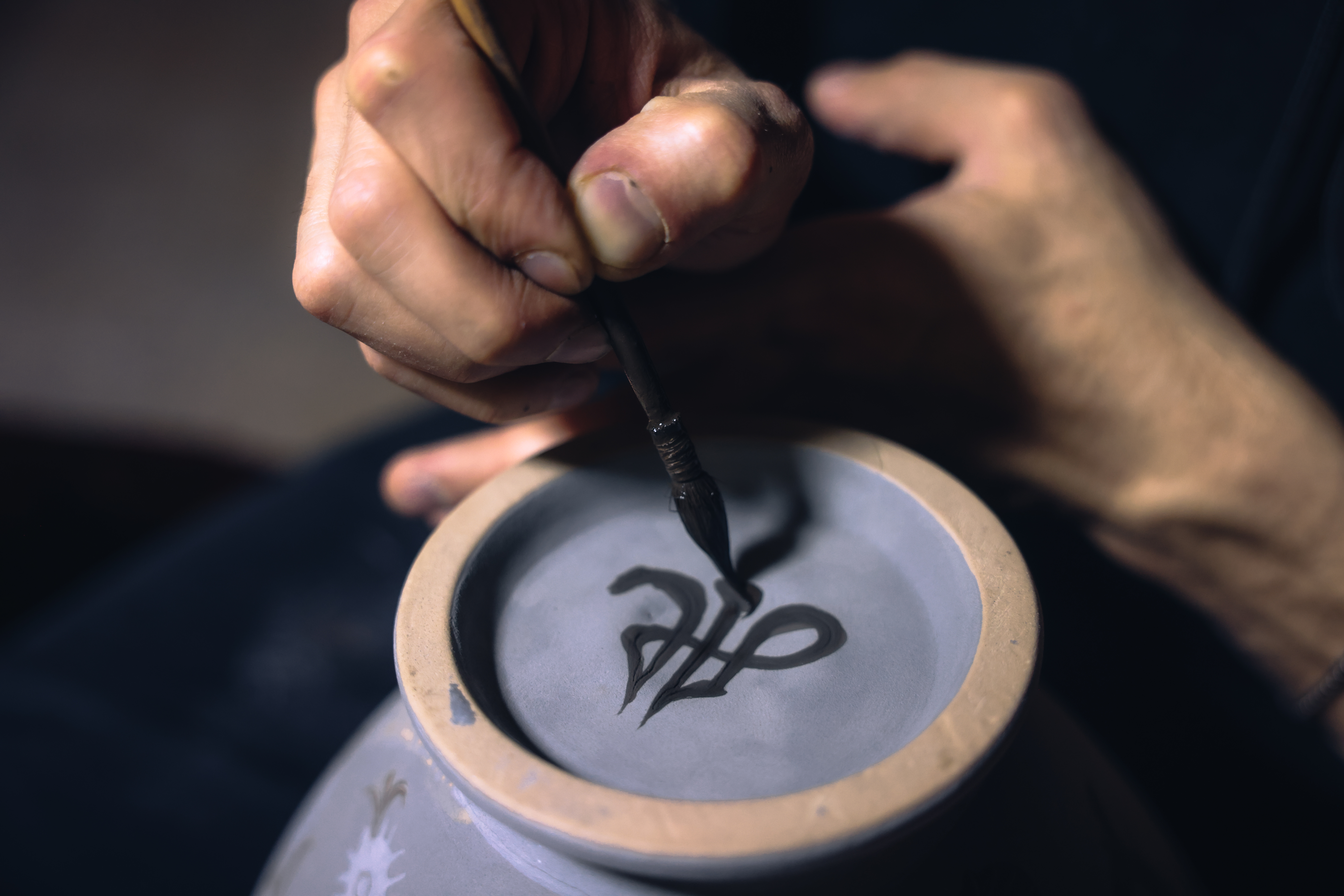 Photo: Ildar Sadykov
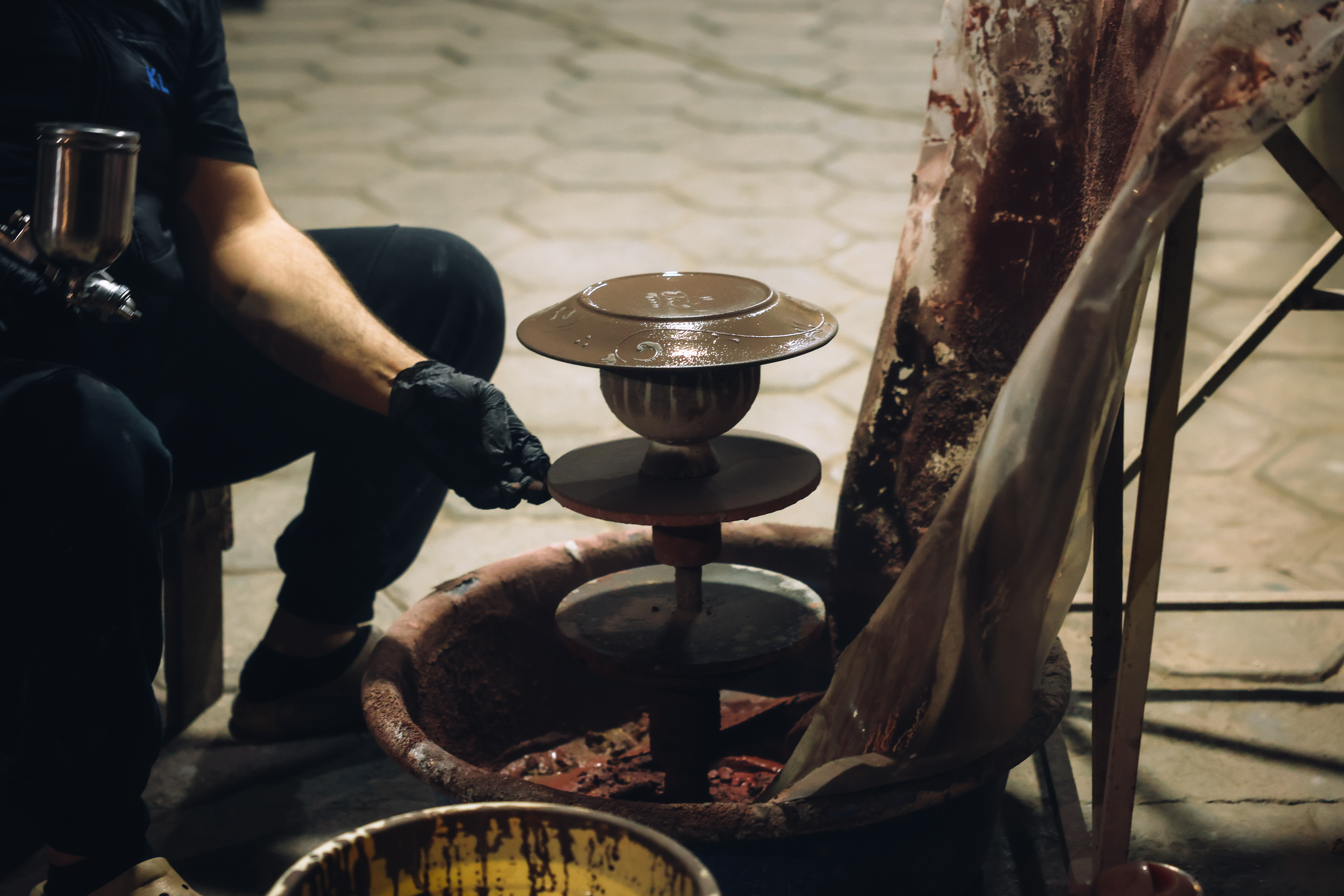 Photo: Ildar Sadykov
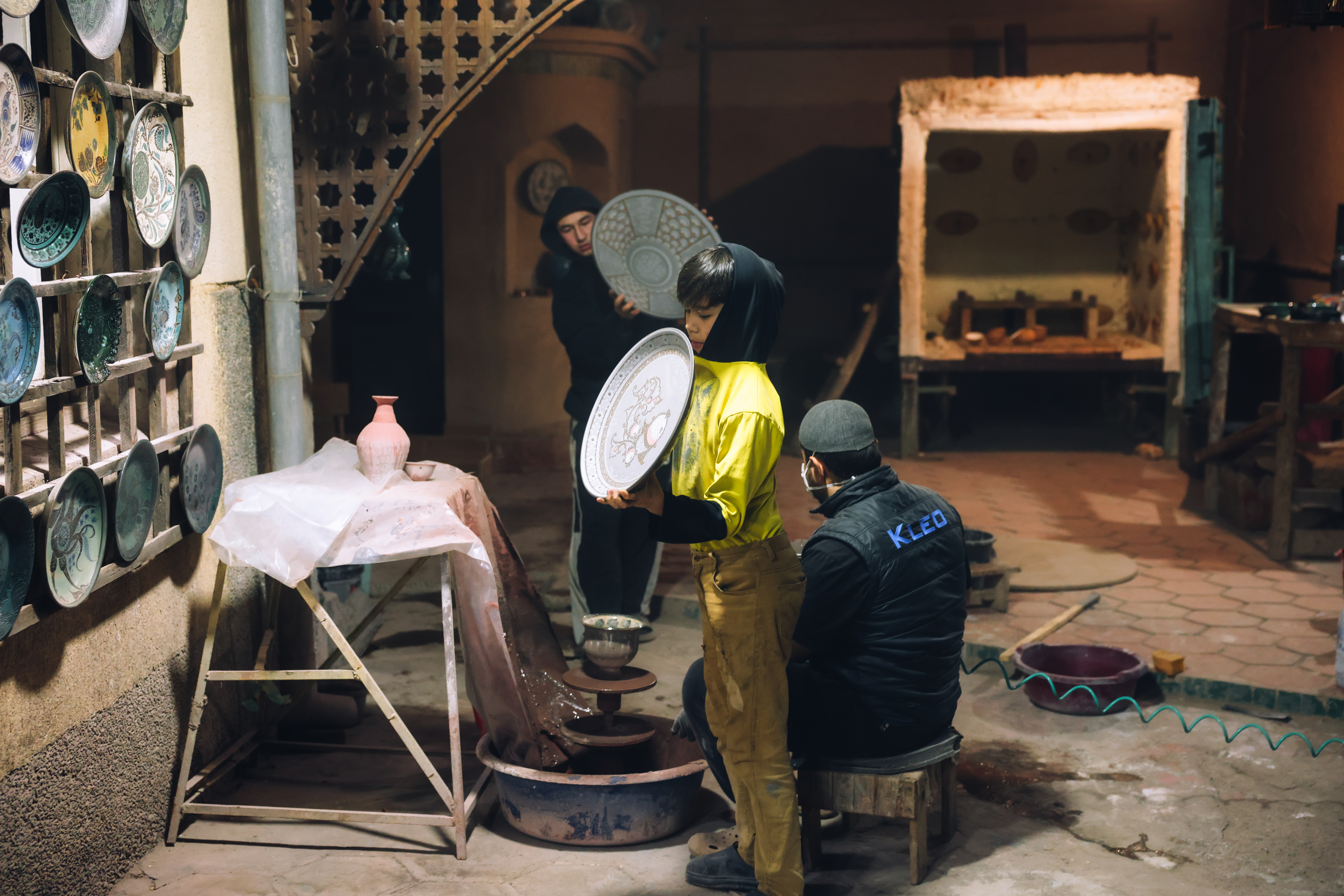 Photo: Ildar Sadykov
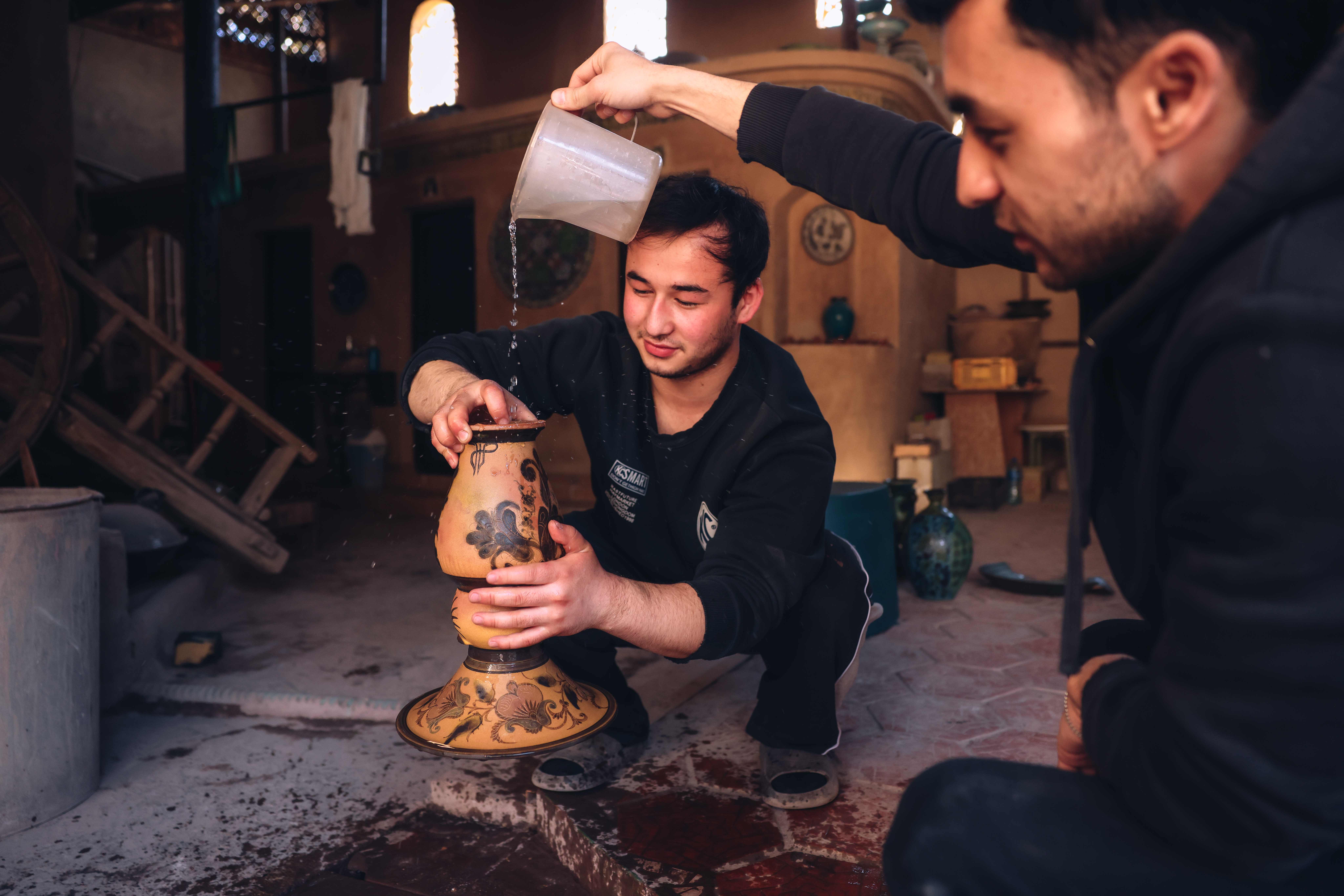 Photo: Ildar Sadykov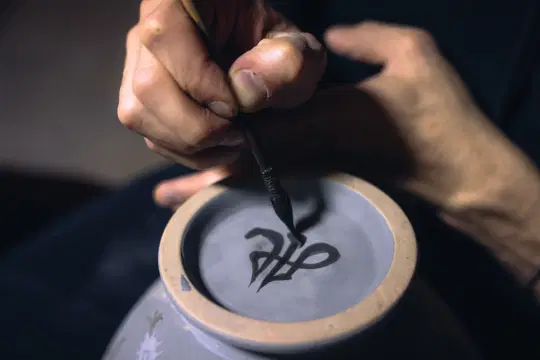
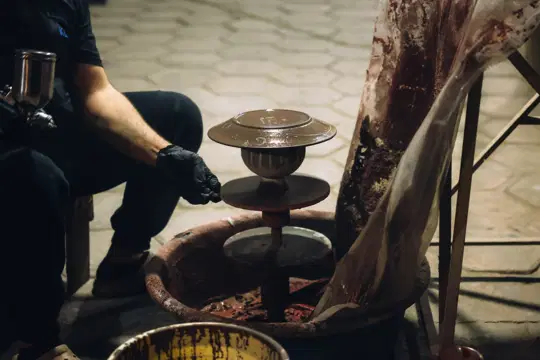
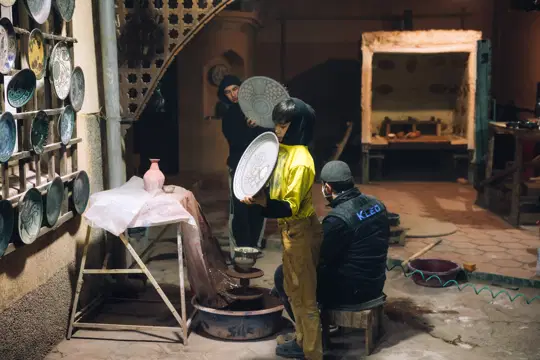
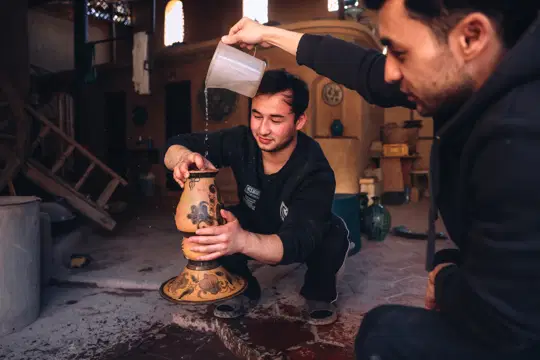
The master – usto – creates in his workshop. And never alone. Having inherited mastery from mentors, it is invariably passed on through students – this is an unshakeable tradition. Young men who dream of becoming ceramic artists live and work with Alisher-aka. But it is not only 'novices' and numerous students who revere the skill, rigour, and incredible intelligence of the celebrated ceramist. The pilgrimage to Nazirov's workshop never ceases. Every guest who arrives here finds themselves not in a pottery shop, but in a magical world where the observer is as important as the creator. This is a place with its own traditions. Perhaps that is why it is so captivating, even for those not particularly passionate about ceramics.
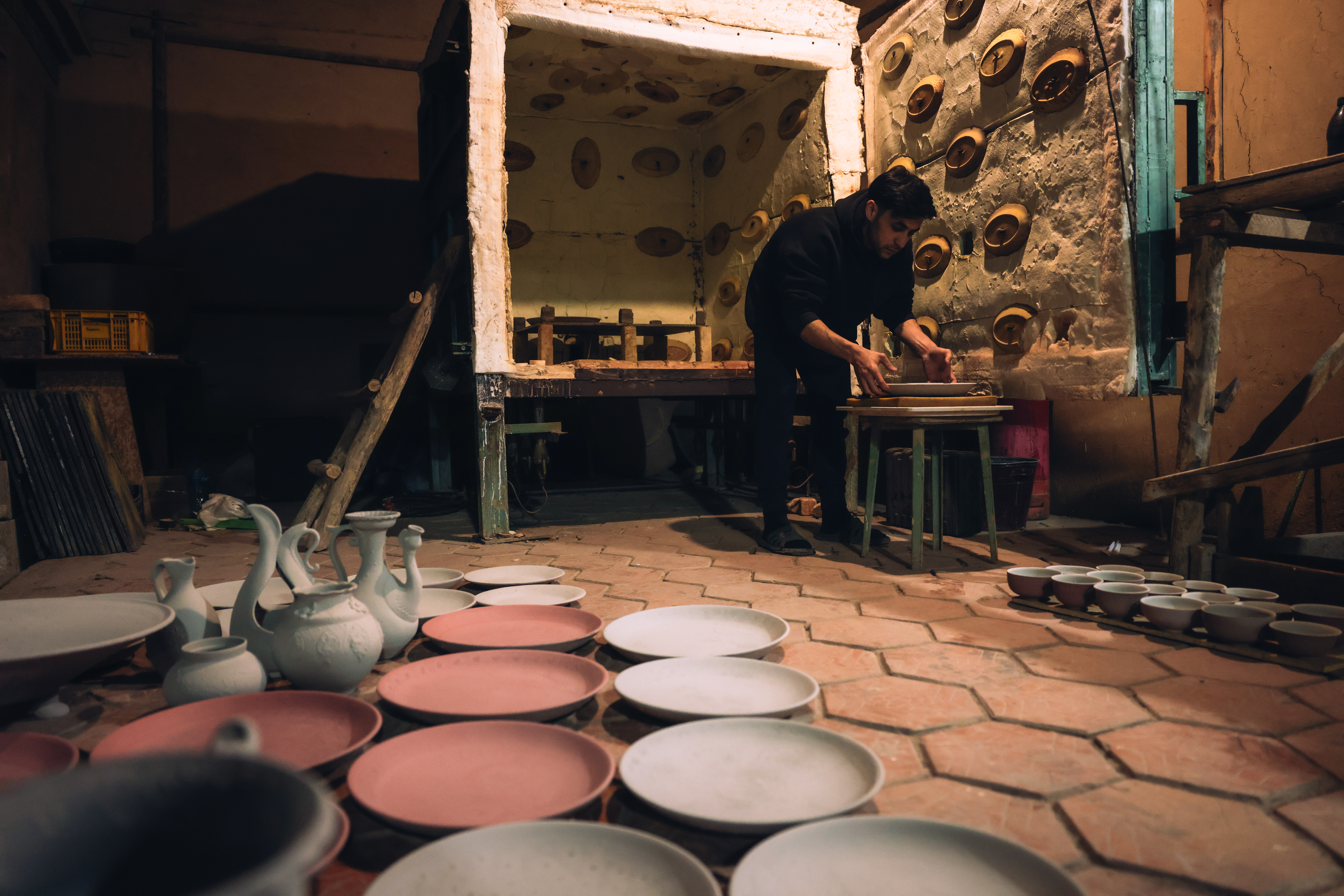 Photo: Ildar Sadykov
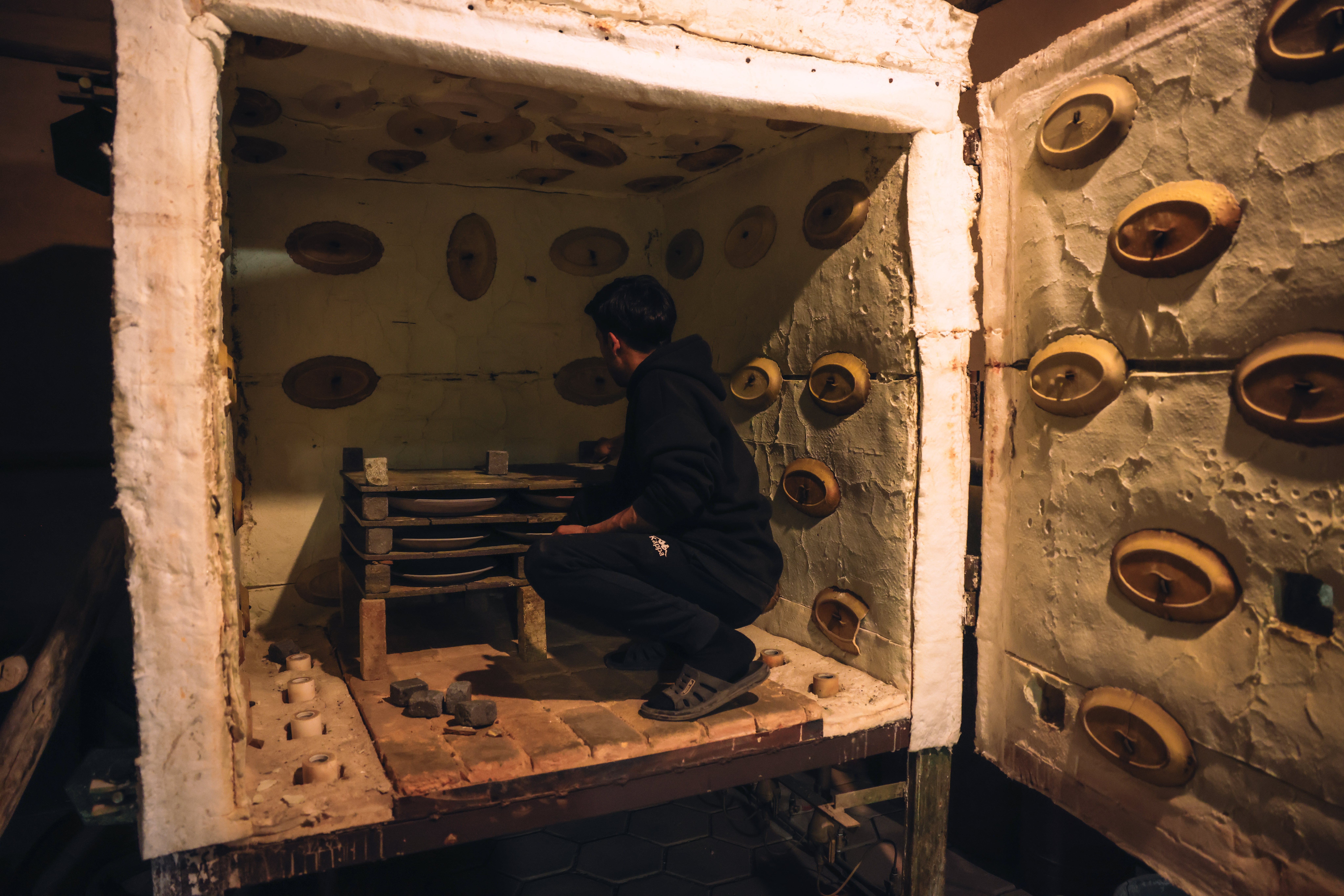 Photo: Ildar Sadykov
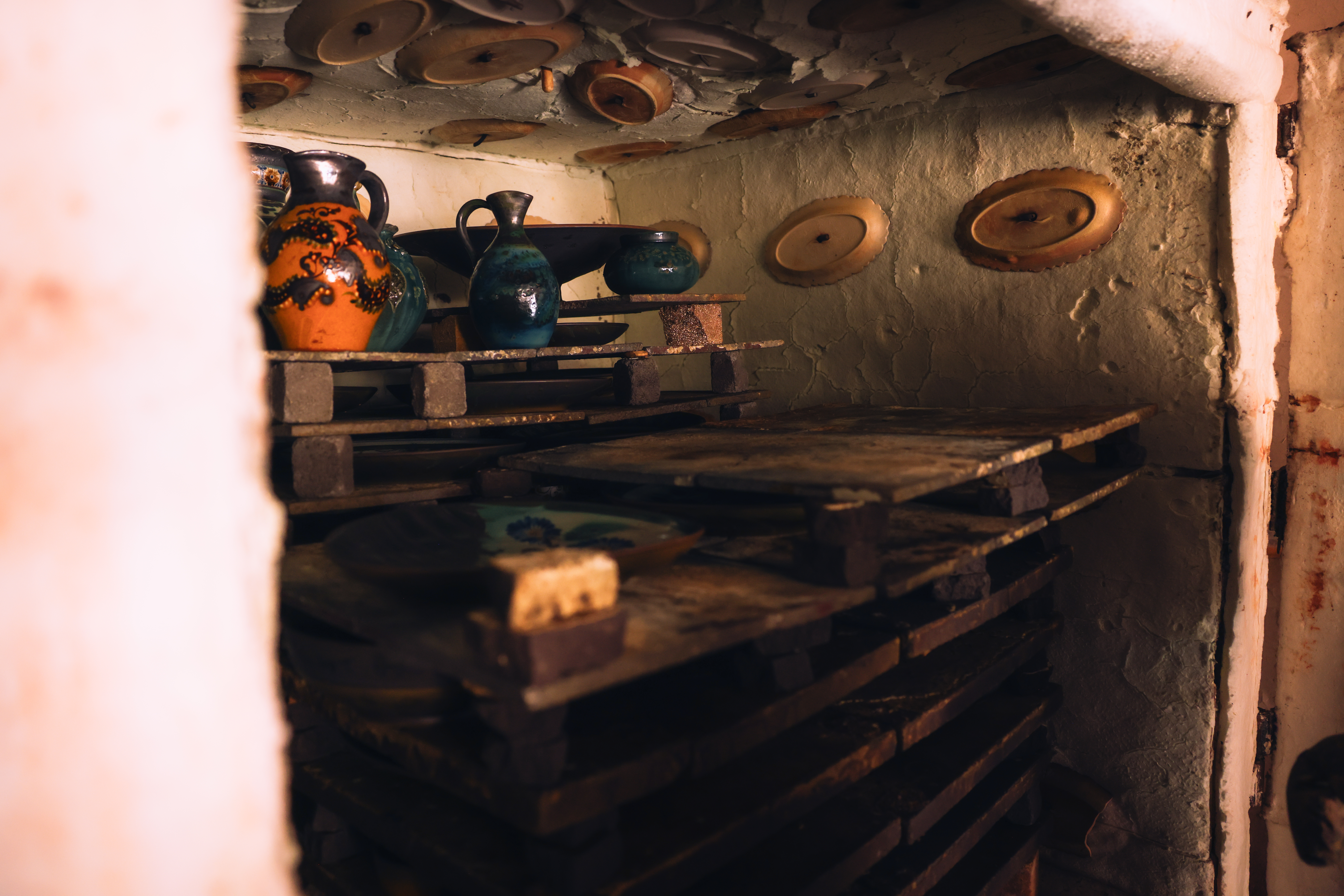 Photo: Ildar Sadykov
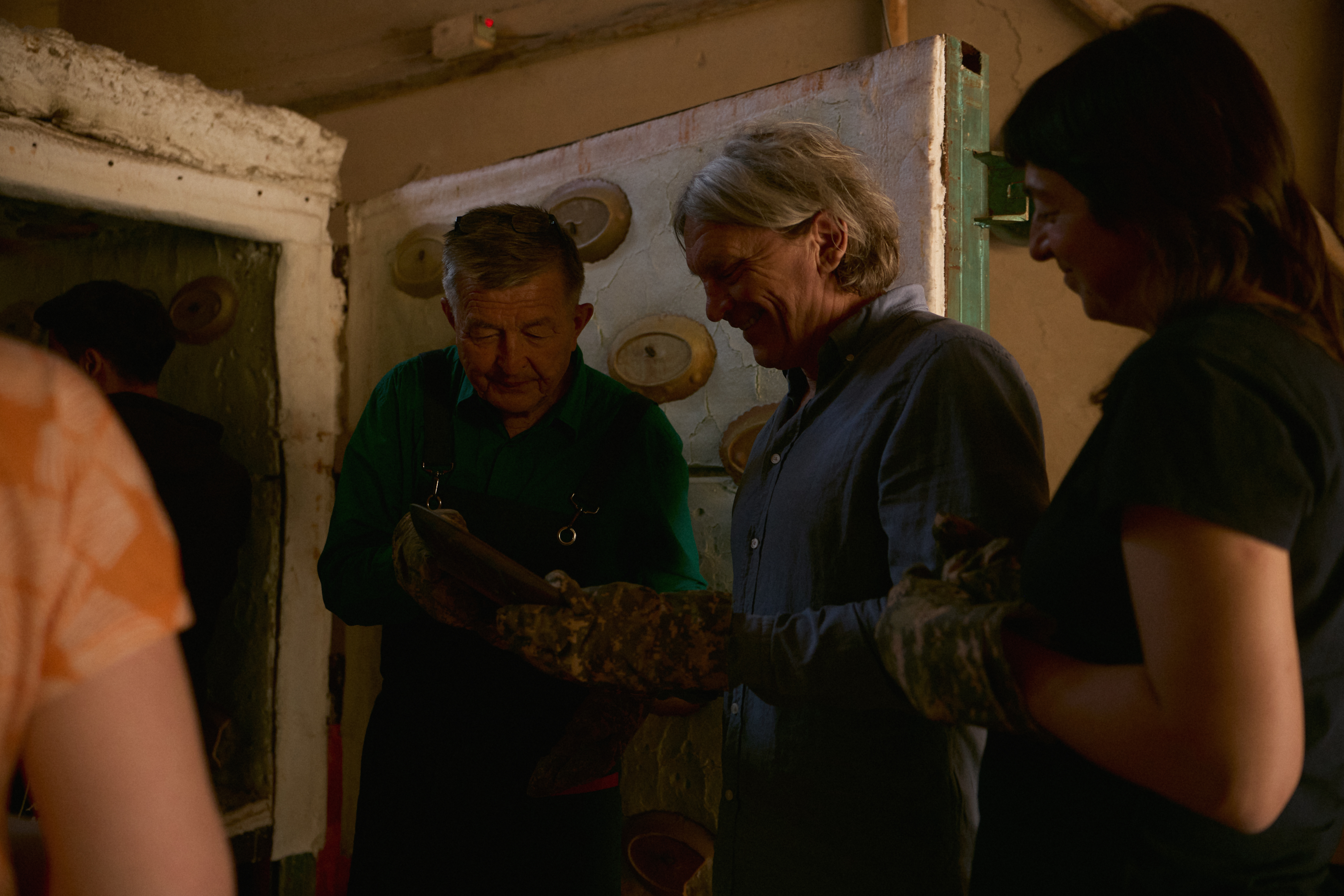 Photo: Ildar Sadykov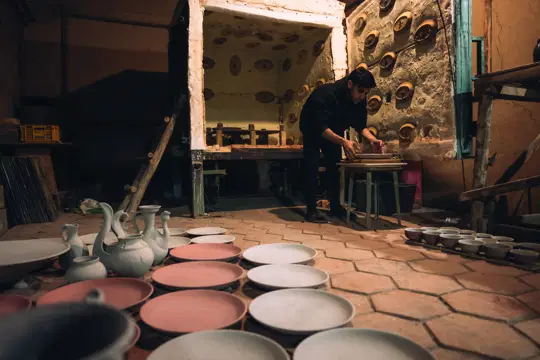
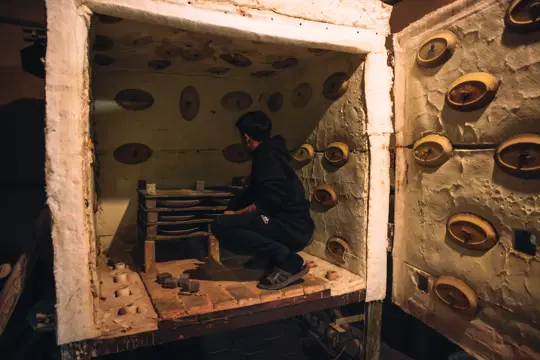
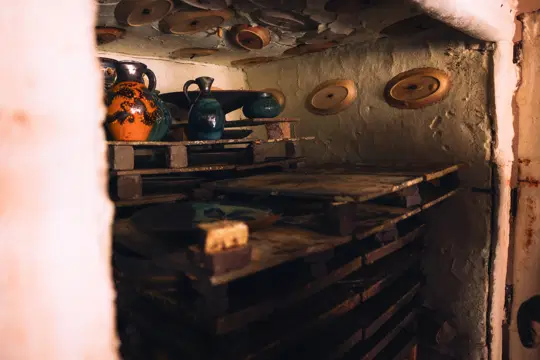
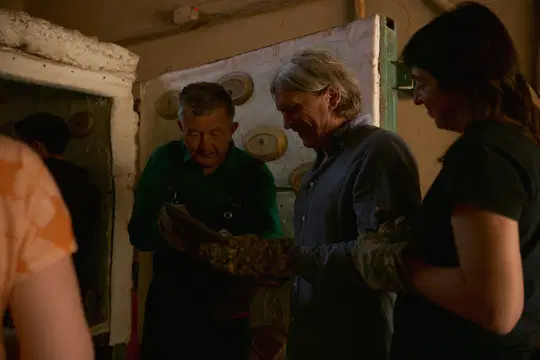
Alisher Nazirov and I are good friends. Together we have realised more than one project. In July, our film 'The Four Elements' will be released. The title was chosen deliberately: I am convinced that ceramics is the only form of applied art that combines all four elements: earth, air, fire, and water.
Ildar Sadykov
Specialists and admirers of Alisher Nazirov's work are convinced that his ceramics represent the pinnacle of an authorial style that combines ancient traditions in form, Japanese motifs, and intricate Uzbek ornamentation.
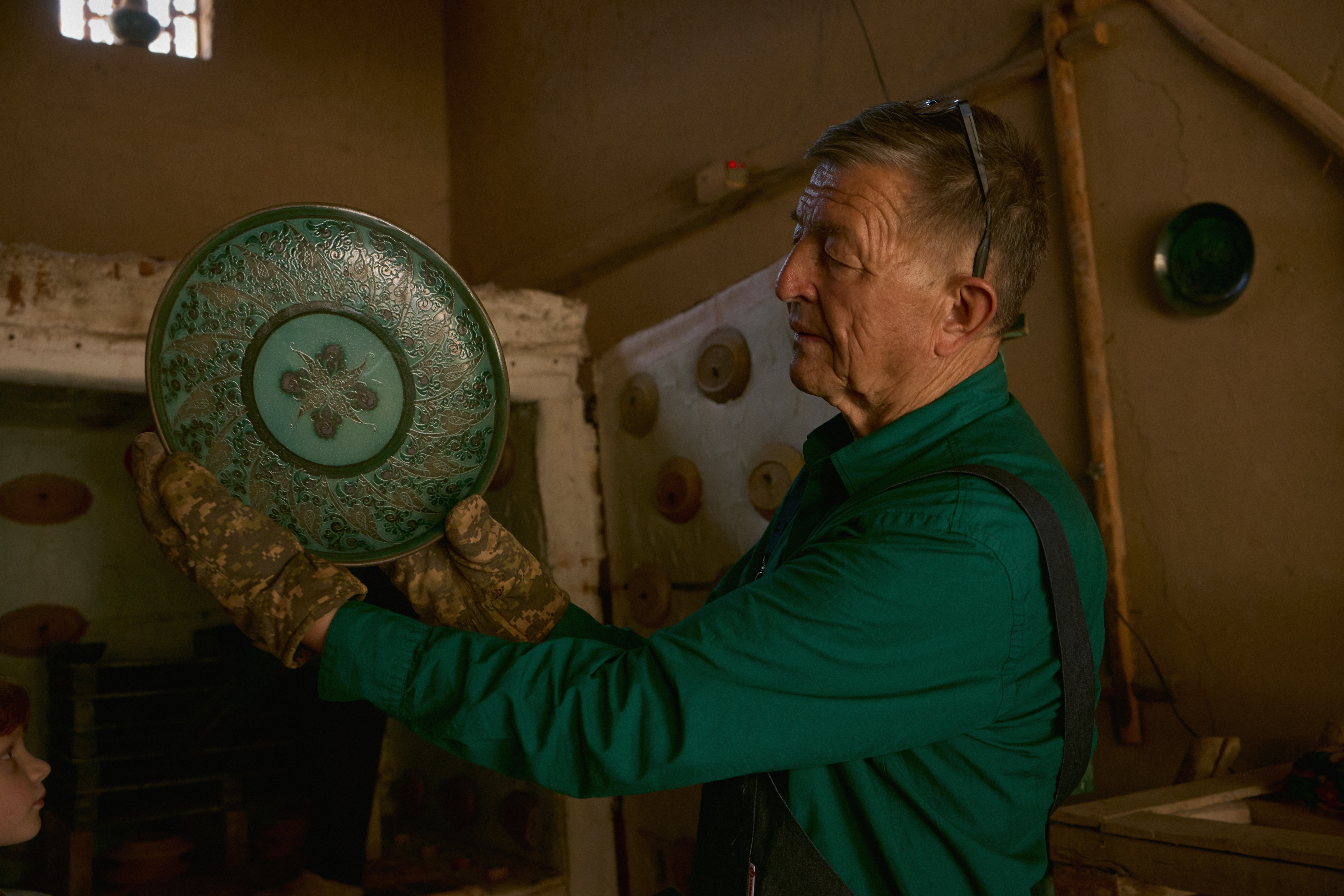 Photo: Ildar Sadykov
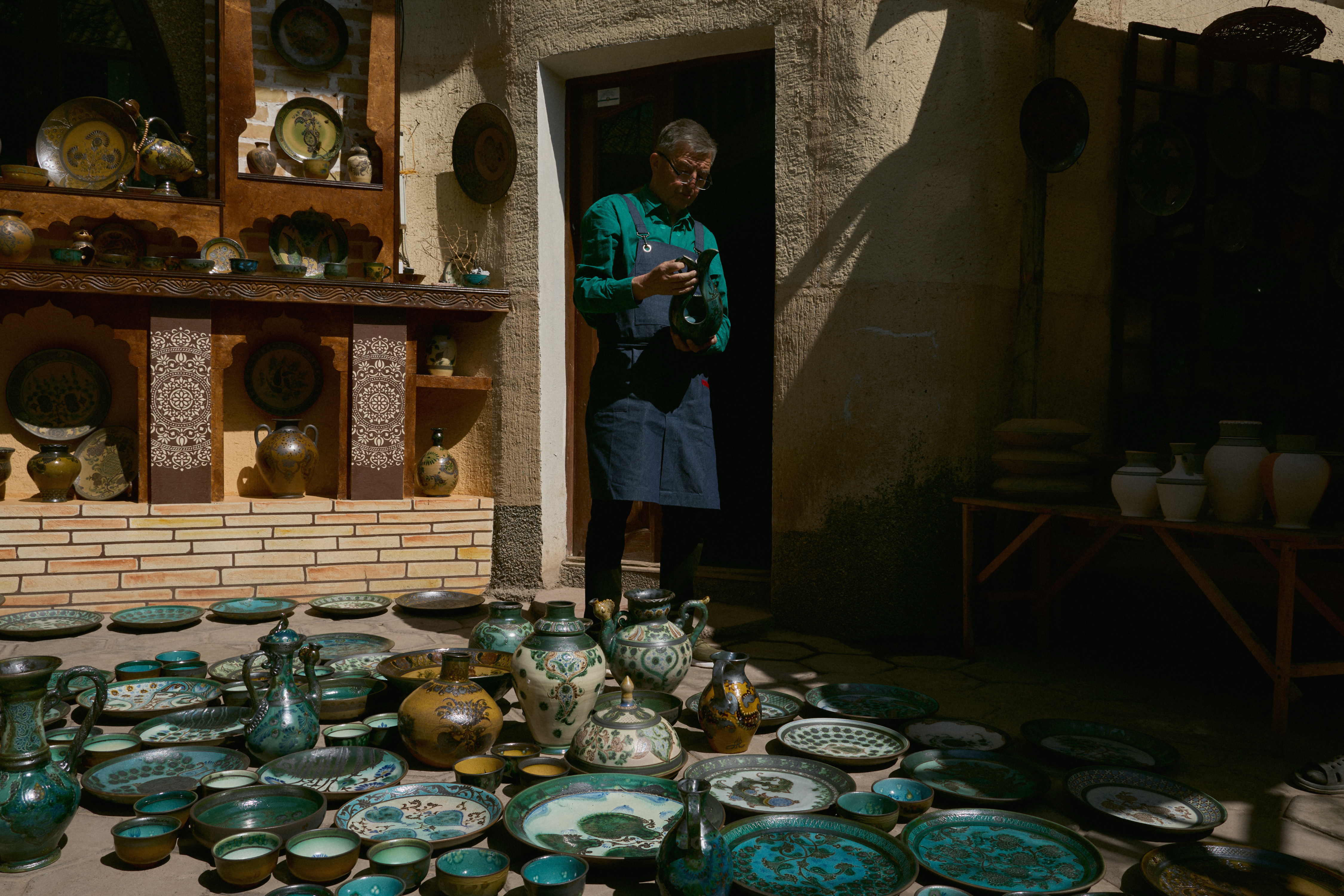 Photo: Ildar Sadykov
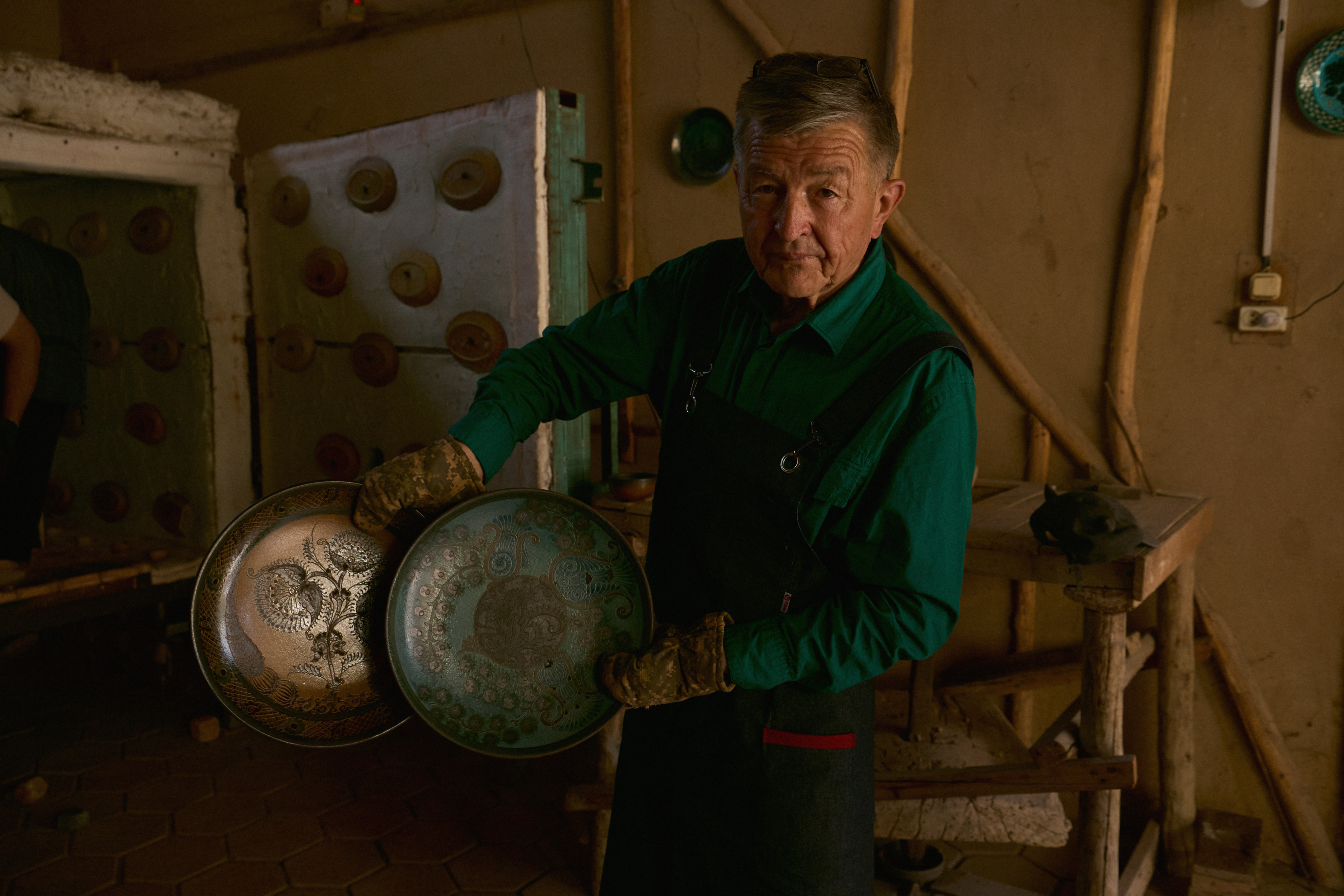 Photo: Ildar Sadykov
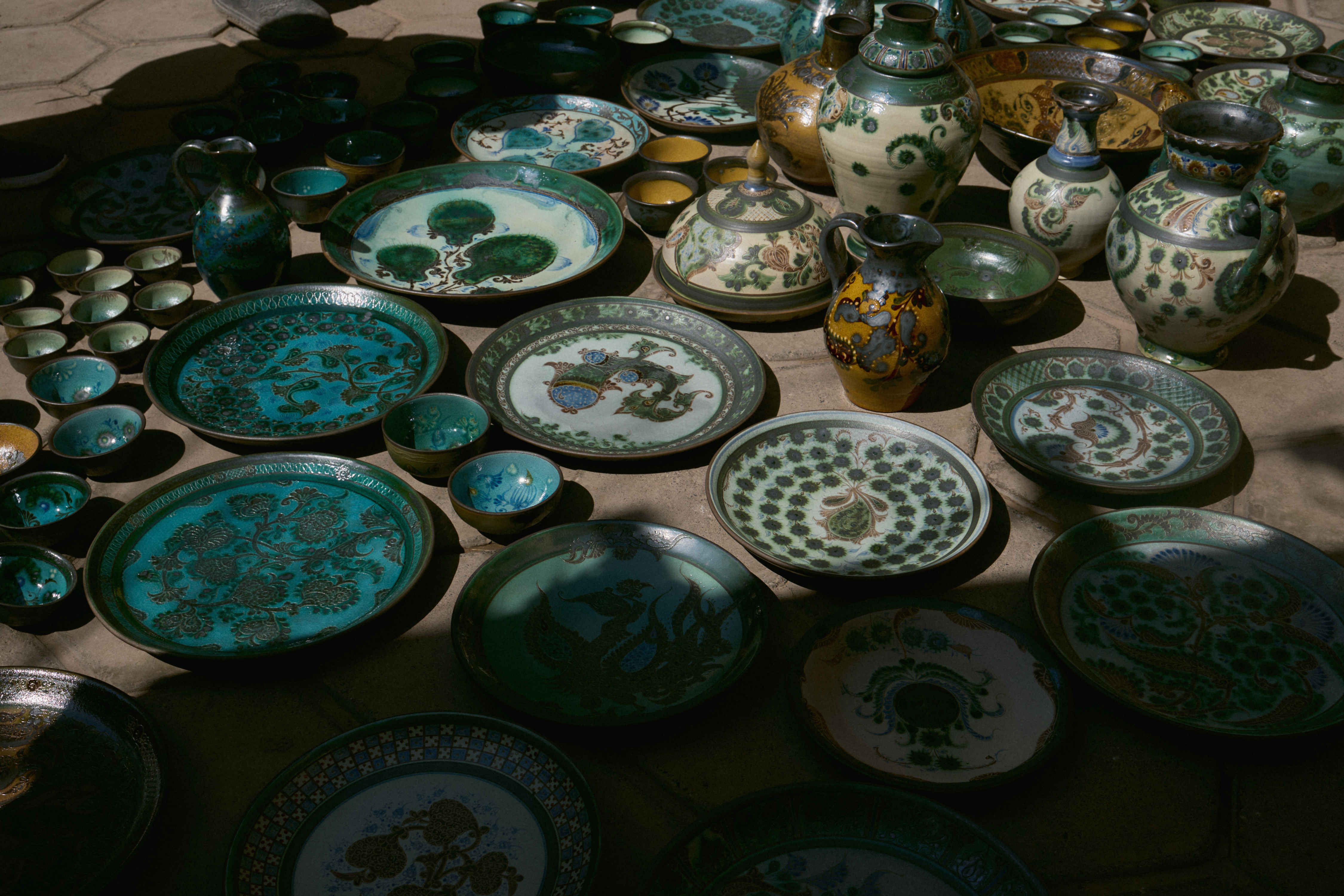 Photo: Ildar Sadykov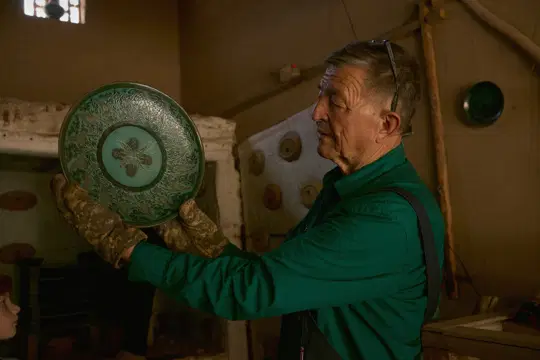
When my soul is heavy, when a creative crisis strikes, I come to Alisher-aka to spend time here. I watch how his students work. I take photographs. I observe foreign tourists arriving and being absorbed by this atmosphere. I feel inspired and return with a different heart. And I know for certain that I am not alone. This is the magic of Alisher Nazirov's space.
For two years, we have been implementing a project to revive the ancient traditions of Uzbek ceramics. Alisher Nazirov was offered the position of academician. A book is being prepared for publication, which, I hope, will be illustrated with my photographs. And I am still amazed by the fact that the master, who is practically the face of Rishtan ceramics, is better known outside Uzbekistan than in his own country. Yet he is truly a national treasure!
Ildar Sadykov


