Architecture & Urban Environment
Why is it easier to build a new capital in the CIS than to "fix" the old one? Explained by Philipp Meuser
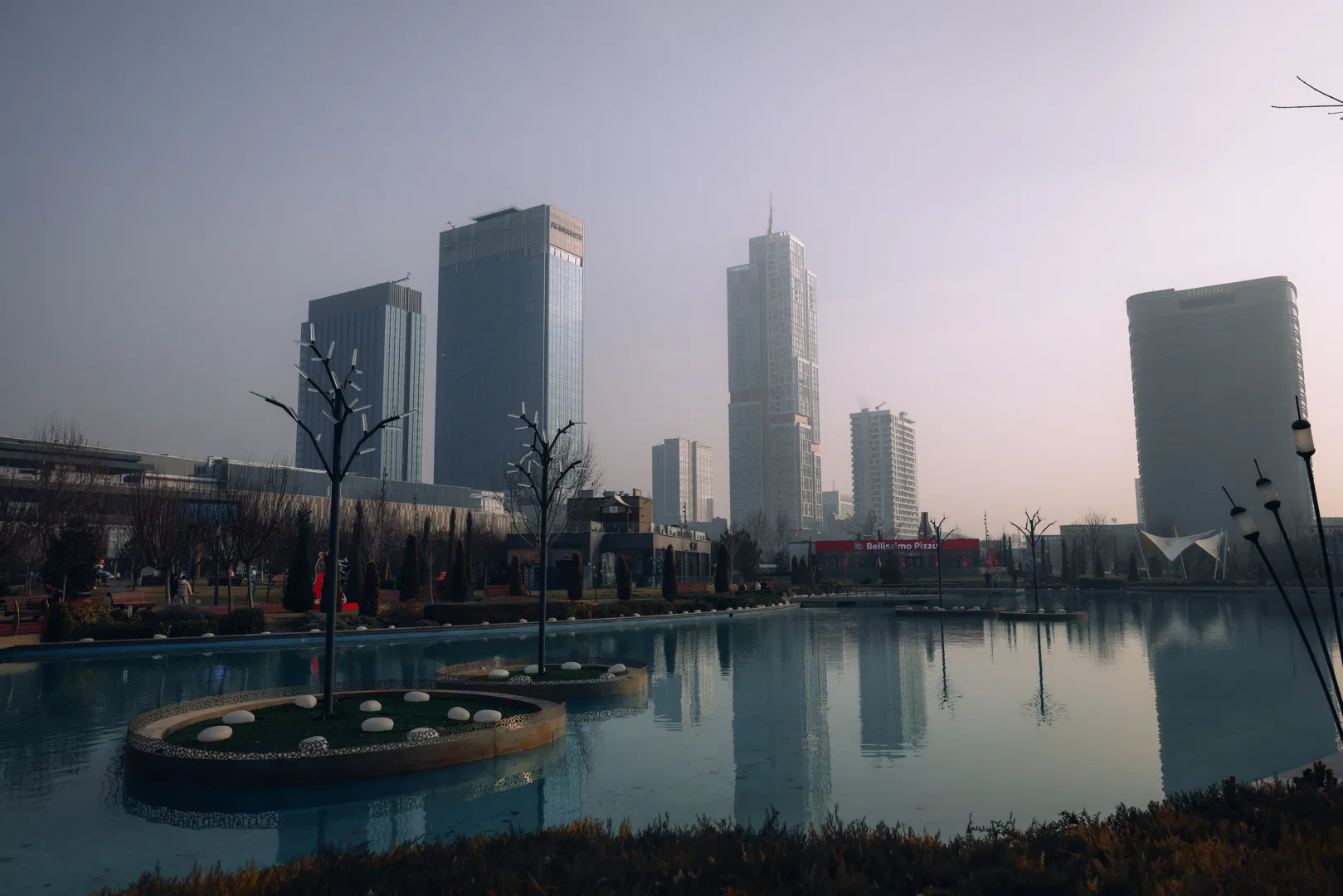
Tashkent, Astana, Baku, and Ashgabat are actively building an independent future on the remnants of the Soviet past. Architect Philipp Meuser explores how post-Soviet capitals are attempting to reassemble (or build anew) their urban identity from standard prefabricated blocks, glass facades, and projects by world-renowned architecture firms.
In the first part of his research on city typology, German architect Philipp Meuser explained how the easily recognizable urban appearance of practically any Eurasian metropolis was formed. In the second part, he explains why the development philosophy of post-Soviet capitals looks like a compromise between an autocrat, a marketer, and a futurist.
How the price per square meter defines aesthetics
In 1992, another important milestone in the country's history arrives — the dissolution of the Soviet Union.
The communist doctrine is being replaced by so-called "wild capitalism." In the absence of state regulation, prices for housing rent and other real estate rapidly rise thereafter, making the redevelopment of old buildings and new construction particularly profitable. Housing near the city center is either modernized or transformed into commercial spaces. The philosophy of communist urban planning gives way to capitalist realities: the rising cost per square meter leads to the active construction of office skyscrapers, shaping the city's new appearance.
Karl Marx noted in "Capital": "The 'improvements' of towns that accompany the increase of wealth, by the demolition of badly built quarters, the erection of palaces for banks, warehouses, etc., the widening of streets for business traffic, for the carriages of luxury, and for the introduction of tramways, etc., drive away the poor into even worse and more crowded hiding places."
From an architectural standpoint, the 1990s saw several trends simultaneously. On one hand, there was a return to the pre-revolutionary period, expressed through imitation of early 20th-century modernist forms. On the other hand, contemporary global trends were actively incorporated, such as glass facades. At the same time, interest in Stalinist Empire style persisted—a vivid example of this is the "Triumph-Palace" in Moscow, built in 2006 and clearly echoing the architecture of the seven Stalinist skyscrapers from the 1950s.
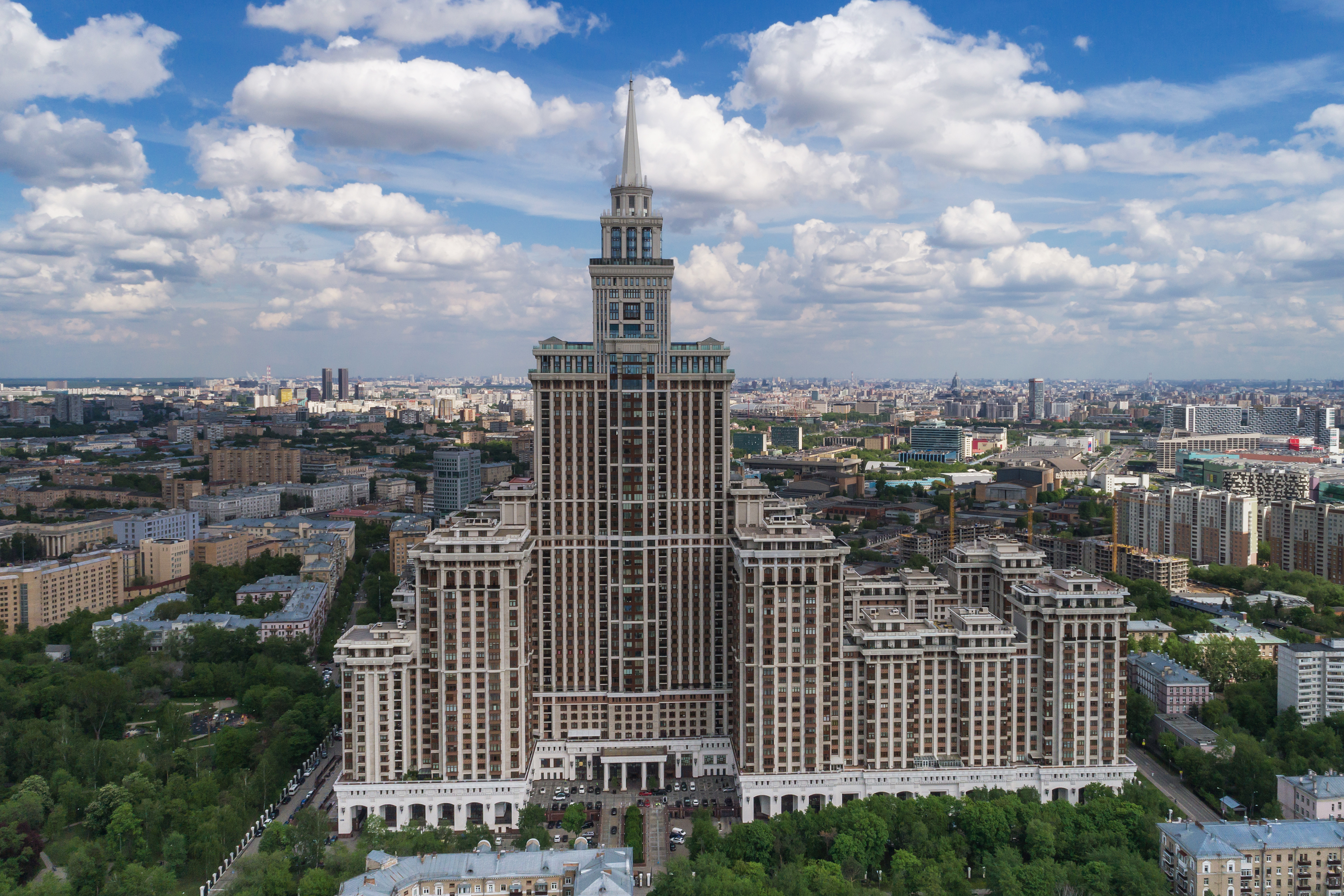
The list of residents of Triumph-Palace included actor Oleg Tabakov, singers Dima Bilan and Maxim © Wikimedia Commons
Changes in urban development after 1992 have affected not only Moscow but also other Eurasian cities, which, having emerged from Soviet influence, have transformed into new regional centers.
One of the most striking examples is Astana. The history of this city includes several waves of renaming: Akmolinsk, then Tselinograd (1961), Akmola (1992), Astana (1998), Nur-Sultan (2019), and finally, Astana again (2022). Here, parallels can be drawn with the transfer of the capital of the Russian Empire from Moscow to Saint Petersburg.
Why move the capital?
However, the key question remains open: why did Kazakhstan decide to move its capital from Almaty to Astana? According to Nazarbayev, this decision was driven solely by functional reasons. He emphasized that Astana played a systemic and mobilizing role in Kazakhstan's development. The new center of attraction facilitated the active development of the northern regions, the redistribution of population and investments, and the modernization of cities across the republic.
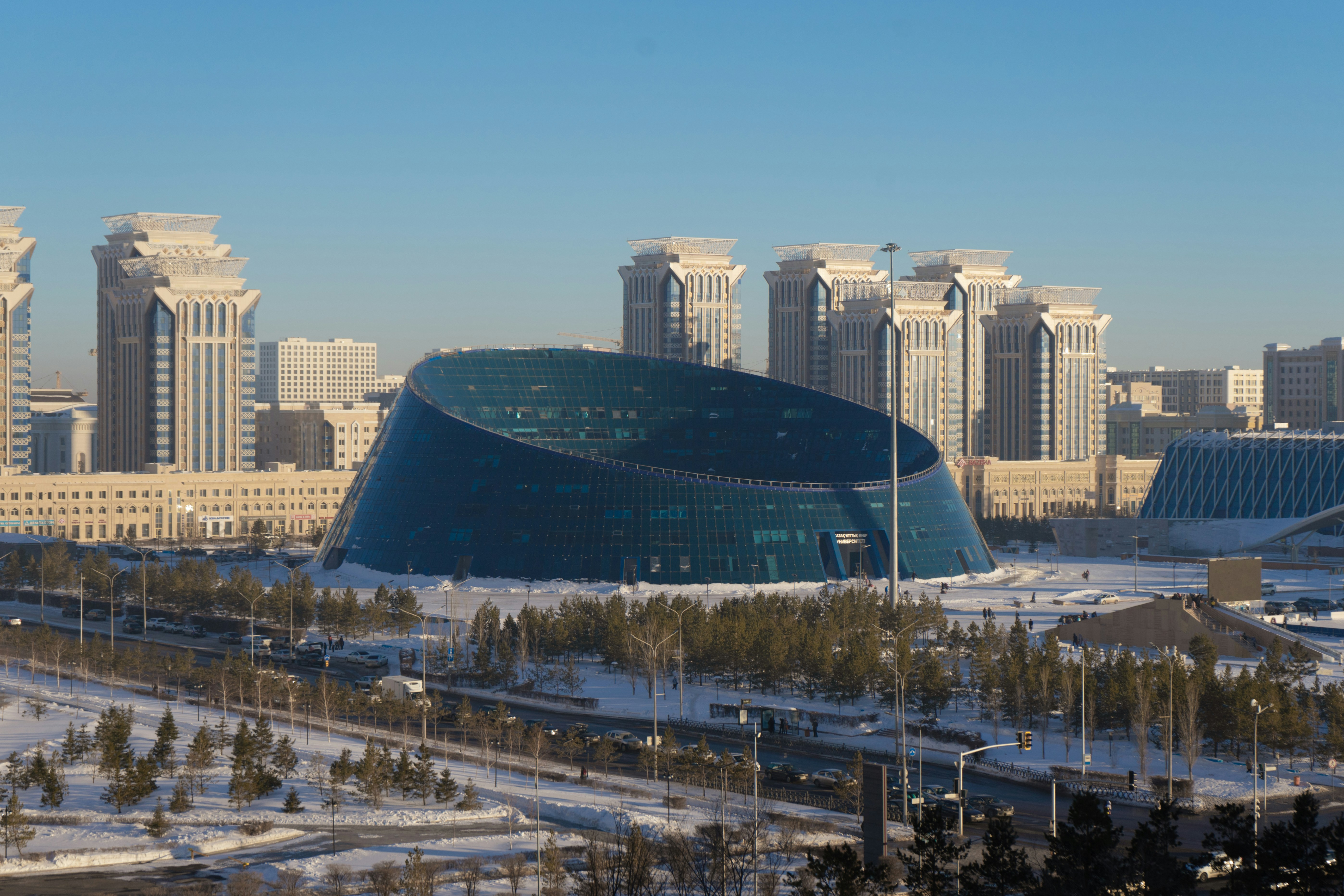
State initiatives here also lead to the emergence of architectural symbols expressing national identity. In Kazakhstan, many iconic buildings have appeared in recent decades, partly thanks to the EXPO 2017 World Exhibition. It is worth noting that the country has virtually no historical architectural traditions to rely on. The nomadic culture, which dominated the territory of Kazakhstan for a long time, left behind mainly religious structures and tombs.
 © Kate Ibragimova / Unsplash
When designing new buildings, it is impossible to constantly refer to the image of a yurt, as was done in the Khan Shatyr shopping center. Therefore, as in the case of St. Petersburg, Kazakh urban planners felt the need to borrow architectural solutions. This time, the models chosen were the metropolises of Asia and the Middle East, as well as the "star" architecture of Europe and America.
If old cities, constrained by existing structures, were forced to adhere to a single concept, then the master plan for Astana, developed by Japanese architect Kisho Kurokawa in 1997, laid out vast open spaces, allowing the city to develop organically. At the same time, all necessary infrastructure was planned from the outset.
The master plan of Astana, designed for further expansion, envisions the gradual filling of the city with buildings of various architectural styles. On one hand, modern trends are embodied in shopping centers and business complexes designed by renowned architects. On the other hand, forms characteristic of the Soviet era are preserved, such as residential buildings up to twenty stories high. However, the key feature of such constructions lies not so much in their structure as in their decorative design. In particular, elements of traditional ornamentation, previously used in textile and carpet production, are introduced into the architectural decor, referencing the weaving art of nomadic peoples.
 © Maxim Rotkin / Unsplash
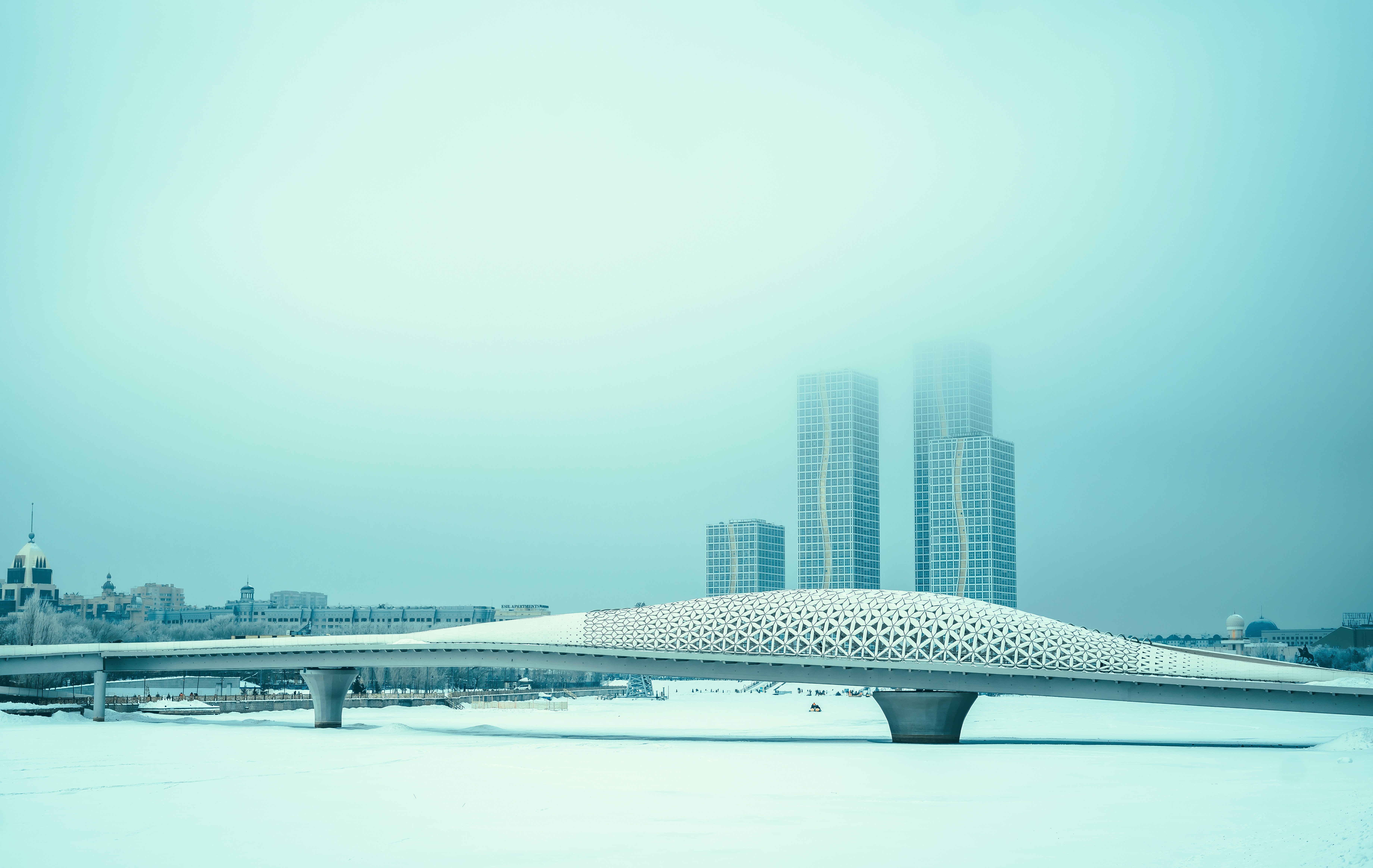
Another interesting technique is the use of organic natural forms. The Atyrau Bridge over the Esil River plays on the scales of a fish—a reference to Caspian Sea fishing.
Just as in Saint Petersburg (during the times of the Russian Empire—editor's note), the architecture of Astana symbolizes integration into the global cultural space. A vivid example is the "White House" building, directly associated with the residence of the US President. Explaining this approach, Nazarbayev noted: "Striving to enter the world community with dignity, it would be wrong not to be guided by all the achievements that the world community is so rich in today." This same principle is evident in new technologies and in the forms of modern architecture.
Post-Soviet Architecture: Understand and Forgive
The architecture of Astana has become not only a symbol of renewal but also an expression of the idea of a future Kazakhstan—dynamic, innovative, and integrated into the global space. Whether this trend will continue in the future—only time will tell. Of course, the design of image-defining buildings was entrusted to renowned foreign architects, particularly the British architect Norman Foster—however, a high architectural standard is not consistently maintained everywhere.
Besides mismatched details that can cause aesthetic irritation, the main problem is the "amateurish" quality of construction.
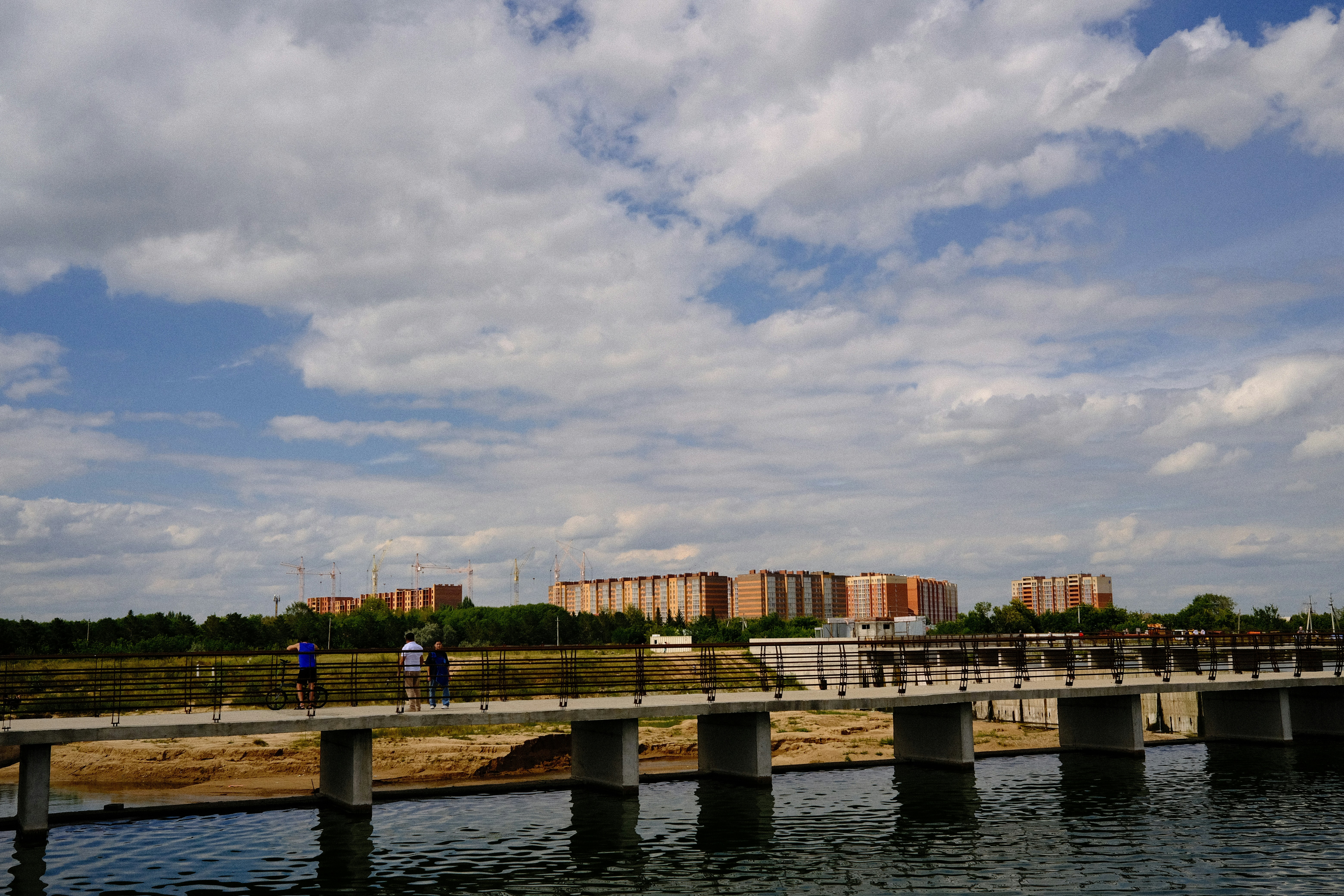
The ceramic granite facades of nine- and twelve-story block buildings do not always align with the principles of reliable and durable construction. Moreover, it is evident that during the peak of a construction boom, few consider for whom and for what purpose a particular building is being erected. Do residential complexes meet the expectations and real needs of city residents?
 © Forzaalisherka / Unsplash
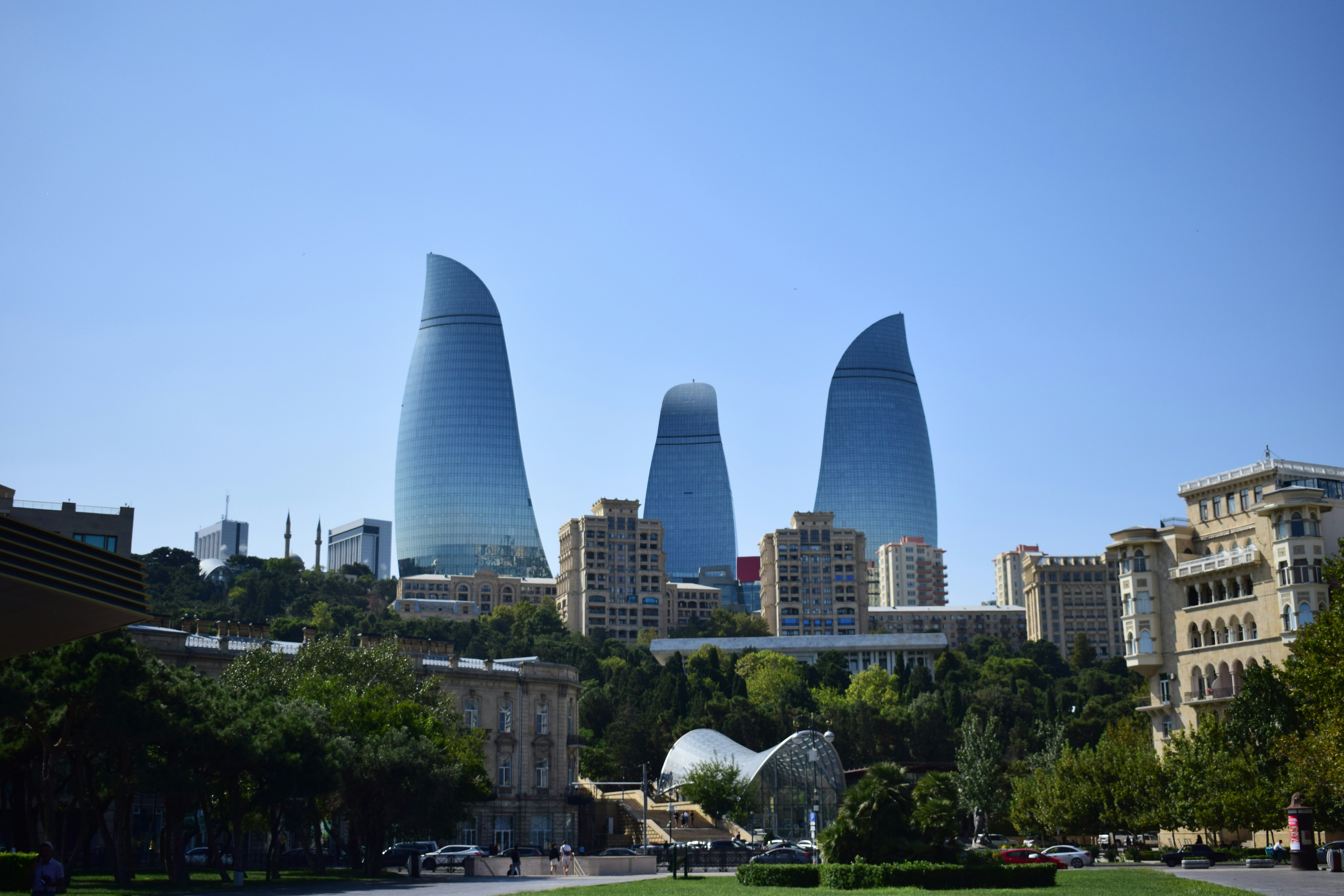
Similar questions can be asked about Baku, the capital of Azerbaijan, separated from Kazakhstan by the Caspian Sea. A city with a history of one and a half thousand years, it was under the influence of the Ottoman, Persian, and then Russian Empires. Thanks to the development of oil fields that began in the late 19th century, Baku transformed from a provincial town into a thriving metropolis, its skyline today largely defined by skyscrapers. The historic development is represented by the Islamic city center, the 13th-century Maiden Tower, and old villas. After the collapse of the Soviet Union, a characteristic feature of Baku became the eclectic mix of architectural styles: buildings designed by world-renowned architects stand side by side with monumental mosques.
 © Nag / Unsplash
In the same category of Eurasian megacities with heterogeneous architecture, one can place Ashgabat — the capital of Turkmenistan, where wide boulevards framed by white marble buildings with golden ornaments are combined with curious elements like an illuminated "zebra" crossing near the Presidential Palace — private vehicles are not allowed there. And towering over all of this is the monumental Wedding Palace.
Ashgabat was founded in the late 19th century on the edge of the desert as a Russian border military fortification near the Iranian border and was then almost completely destroyed by the 1948 earthquake. Like Astana, Ashgabat has to form its architectural traditions anew.
Tashkent: A Model Collage City
In this context, the history of Tashkent is noteworthy: its development once consisted of Eastern adobe structures and pre-revolutionary brick buildings, almost completely destroyed by the 1966 earthquake, the epicenter of which was just three kilometers from the city center. The tremors continued for another three weeks, and the building structures of Uzbekistan's capital could not withstand the severe test. Only modern, reinforced buildings survived.
When the Soviet Union began the reconstruction of the devastated city, the planners turned to existing experience, using the architectural styles of various Soviet republics as a symbol of the friendship of peoples. New development even appeared in the eastern part of the old city, which had not been damaged during the earthquake.
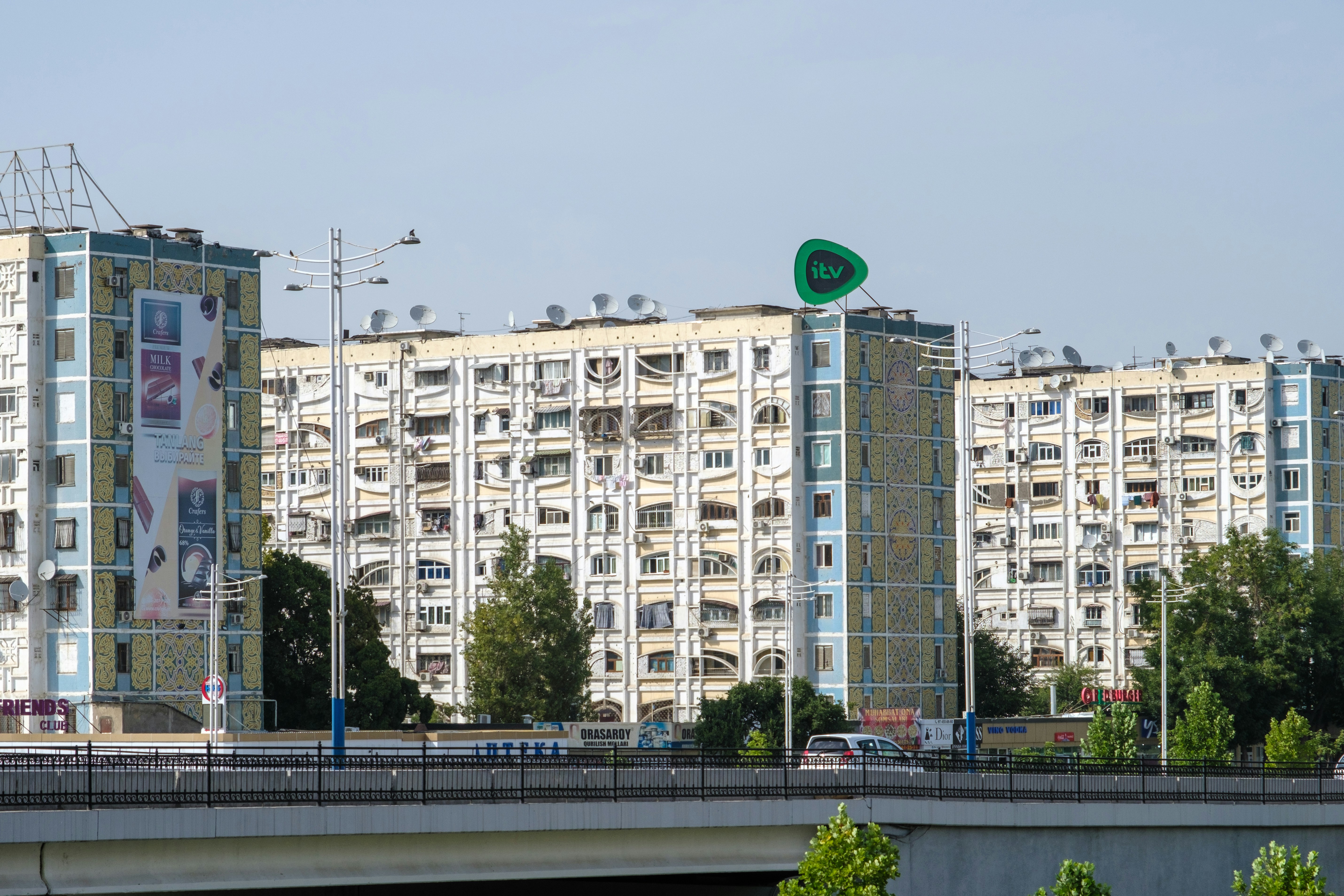
Plans for the reconstruction of Tashkent existed even before the disaster. The general plan, adopted in early 1966, made it possible to create a newly built "collage city" with elements of Eastern, colonial, and Stalinist architecture in the shortest possible time—a model Soviet city with a new appearance, whose distinctive feature was the diversity of its facades.
Just six weeks after the earthquake, the first stones were laid in the C-1 and C-2 microdistricts. Winding alleys gave way to wide highways, designed following the model of Moscow's.
 © Farhodjon Chinberdiev / Unsplash
Interestingly, Slavutych, a city in the Kyiv region of Ukraine, was built in a similar way—constructed to house workers of the Chernobyl Nuclear Power Plant after the 1986 accident. The first residents moved to Slavutych in October 1988, but its northeastern districts remain undeveloped to this day. The golden eight-pointed star that adorned the city's coat of arms not only symbolized the unity of the peoples of the Soviet Union but also referenced the nuclear power facilities built in eight of the union republics (Armenia, Azerbaijan, Estonia, Georgia, Latvia, Lithuania, Russia, and Ukraine).
The urban planning concept of Slavutych also reflected this idea: the city was divided into eight sectors, each reproducing the architectural traditions of its "own" republic: pink tuff in the Armenian sector, eastern arabesques on the facades in the Azerbaijani, and panel housing construction in the Russian.
Eurasian City of the Future
What characteristics will the Eurasian city of the future possess?
Although architects and urban planners cannot influence the political conditions in which they operate, it is necessary to consider the impact of politics on the formation of a city's structure. Many Eurasian cities today balance between democracy and "strongman politics." Among other things, the current political conditions allow for the relatively rapid implementation of large-scale construction projects.
Based on the traditional Eurasian worldview that it is easier to build a new city than to rebuild an old one, one can anticipate the further realization of utopian projects—in contrast to the "Western" tendency toward pinpoint changes and local development within urban areas by altering their functional purpose. However, to ensure the long-term success of such projects, the authorities will still have to consider the opinions of citizens, whose participation in the decision-making process has so far remained minimal.
Today, many Eurasian cities are developing under conditions of "wild capitalism" or its transitional form. The government allocates land plots to investors, but the further development of these areas ends up in private hands and is practically uncontrollable. The priority remains rapid construction pace and quick return on investment.
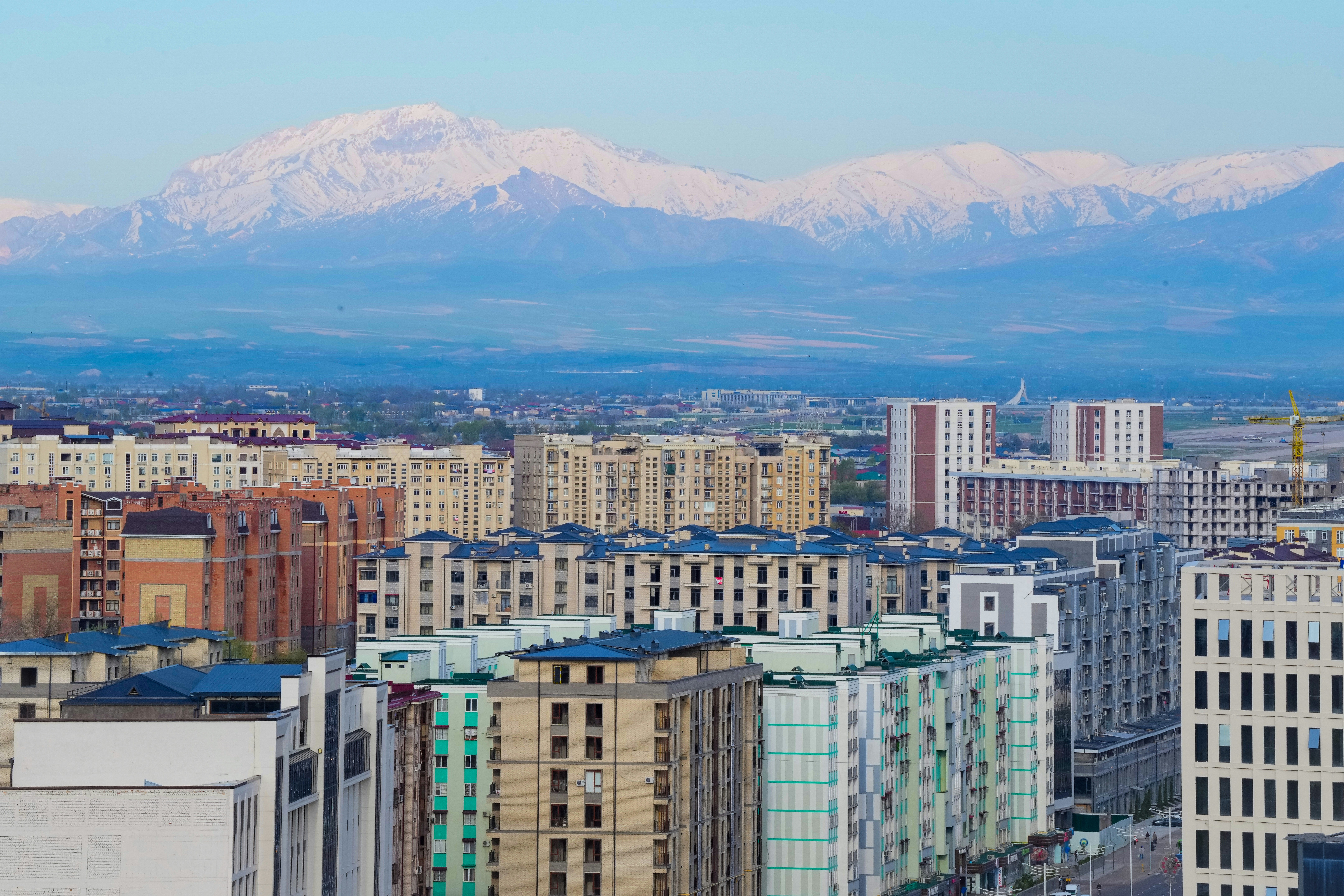
This approach inevitably affects the city's appearance: significant funds are allocated for the construction of prestigious, ideologically significant facilities under the control of the authorities, while on the outskirts, in "open fields," economical but monotonous panel residential areas are growing.
 © Sarvar Samigov / Unsplash
Don't recognize it? Yet, this is Tashkent.
The city's infrastructure must correspond to its planning "checkerboard" structure, characteristic of both Roman poleis and modern American suburbs. In the transport sector, the focus on automobile transport is likely to remain, as the flow of the working population to the center continues to increase: rising housing prices in central areas are forcing more and more residents to move to affordable suburbs. This is precisely why issues of transport infrastructure and construction quality are currently at the forefront for specialists involved in the development of most Eurasian cities.
It should not be forgotten that architecture is one of the most important components of state and territorial self-identification. But what could the architectural style of a Eurasian city be? History shows that Eurasian cities easily adopted new foreign architectural trends, especially if they coincided with political guidelines.
It will be interesting to observe to what extent the West will continue to influence their appearance. It is quite possible that amid growing contradictions and a trend toward alienation from the West, there will be a return to their own traditions and specific Eurasian motifs.
If Russia has already gone through periods of rejection of Europe over the centuries, associated with military and political conflicts, then other Eurasian countries that have ceased to be satellites of Moscow are only just beginning this process. As a result, alongside architecture created by world-class stars, the search for their own architectural path is becoming (or has already become) increasingly relevant.
Did you like the story? Subscribe to us on Instagram and Telegram — there's even more interesting content there.
Read also
 Architecture & Urban Environment
The Architecture of Tomorrow: New Identities, Emerging Technologies and the Human Factor
Damir Ussenov
 Architecture & Urban Environment
Walking Almaty’s Modernism: Architecture Against the Mountains | A Photo Essay
Alfiya Kalmaganbetova, Amira Kassenova
 Architecture & Urban Environment
FLOW Park: A New Space for Active Recreation in Almaty | A Photo Essay
Amira Kassenova, Gulsara Kenbaeva
Newsletter
A letter from the HD editors
Once a week, we send the best stories, events, and cultural discoveries from Central Asia.