The female voice remained on the periphery of literature for a long time, but modern experiments with the word, especially autofiction, have made it more resonant than ever. Now it sounds piercing and ubiquitous, creating a mosaic of women's experience—always unique, yet resonating with all of us.
The current state of culture can be described as a total fatigue with elitism. Throughout their development, a person has to deal with authoritative institutions that suppress them with their authoritarianism. We are surrounded by canons—literary, visual, and intellectual—that we must follow in order to be considered an “educated” person. Experimental, postmodern forms of expression become a breath of fresh air: not always understandable, but also not requiring a person to be some kind of genius in order to engage in art.
In literature, such a liberating genre can be called autofiction, which defies clear definition and sparks active debate in the academic community, but undoubtedly occupies a leading position in the contemporary literary process. Broadly speaking, the peculiarity of the genre lies in the combination of fictional and autobiographical elements. One can discuss at length what autofiction actually is, how to draw the line between fiction and reality, how it differs from autobiography, and so on, but let’s leave these subtleties to literary scholars. What matters is not what autofiction actually is, but that with its help a person can finally step out of the shadow of elite culture and tell their own story—sometimes banal, sometimes unbearably dull and monotonous, and sometimes so tragicomic that you couldn’t make it up on purpose.
 Источник:
 Acting as a conduit between the personal and the public, while preserving the right to fiction, this genre becomes a kind of "human document" in which the subject of the writing often recounts their own traumatic experience. This gives contemporary women writers a space for a difficult dialogue between themselves and a society that for a long time turned a blind eye to the oppression, violence, and stigmatization of women around the world. It also serves as a kind of mechanism for self-reflection, experiencing, and living through one's own trauma.
From a literary perspective, autofiction inherits postmodernism’s fragmented narrative, constant breaks, and disruption of linearity. At the same time, it adds a tremendous emotional charge to the writing, imitates the peculiarities of human memory, and overall very successfully constructs human experience—always unique, yet so recognizable and close to everyone (or in our case—to every woman). Therefore, I offer you, dear readers, a small selection of women’s writing that reveals all the facets of what a modern person faces: violence, loss, loneliness, unrequited love, and much more.
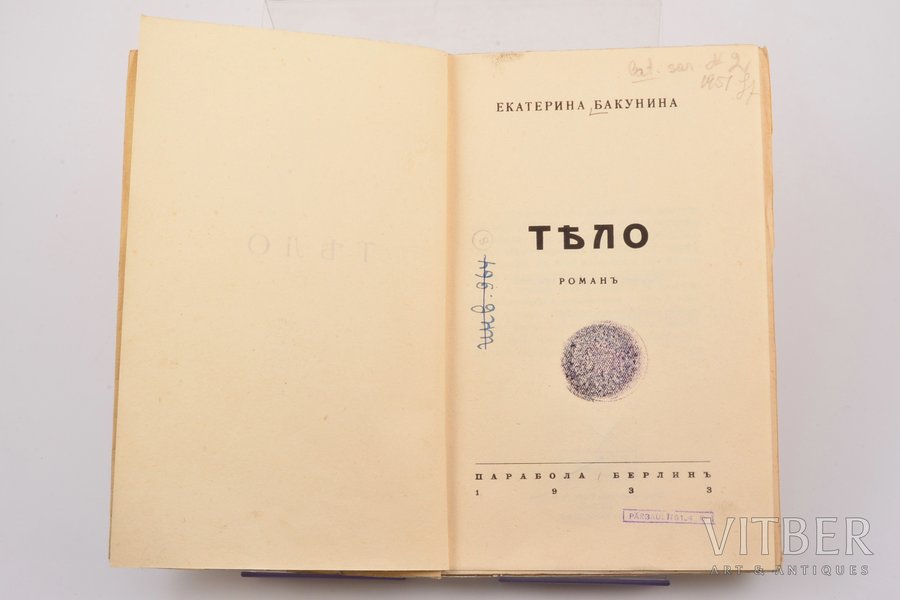
1. Ekaterina Bakunina — "Body" (1933)
Ekaterina Bakunina is a writer and poetess of the first wave of Russian emigration, a representative of the "unnoticed generation," who did not enter any canon and was unjustly forgotten. Her autobiographical novel "The Body," first published in 1933, caused a real scandal and for a long time was classified as marginal literature, erotic prose, and "spicy" works, simply because Bakunina closely explored corporeality, literally "dissected" it. And, of course, what Bakunina tried to convey with her "Body" is much more complex than eroticism in the usual sense.
At the center of the conditional plot (once again, the novel takes a fragmentary form) is Bakunina’s “autohéroine,” a destitute immigrant from Russia, a stranger in her homeland, unable to find refuge abroad. Her own body becomes the main expressive unit. By recording its changes, Bakunina’s heroine writes about the hardships of immigrant life, loneliness, poverty, a humiliated position, and the impossible contradiction between the desire for freedom and spontaneity and the necessity of adhering to a gender role: being a model wife to a husband she feels repulsed by, and a good mother to a child she did not want. Domestic traumas, sexual violence, her first abortion during which she lost a lot of blood—everything she experiences leaves a physical mark on her body (the only thing she still has left, unlike her status, home, or freedom).
Uncompromising and raw physicality, detailed physiological aspects, loss of identity, female autonomy, which Bakunina speaks about, are surprisingly just as relevant today as they were almost a hundred years ago.
 Vitber. Art anf Antiques
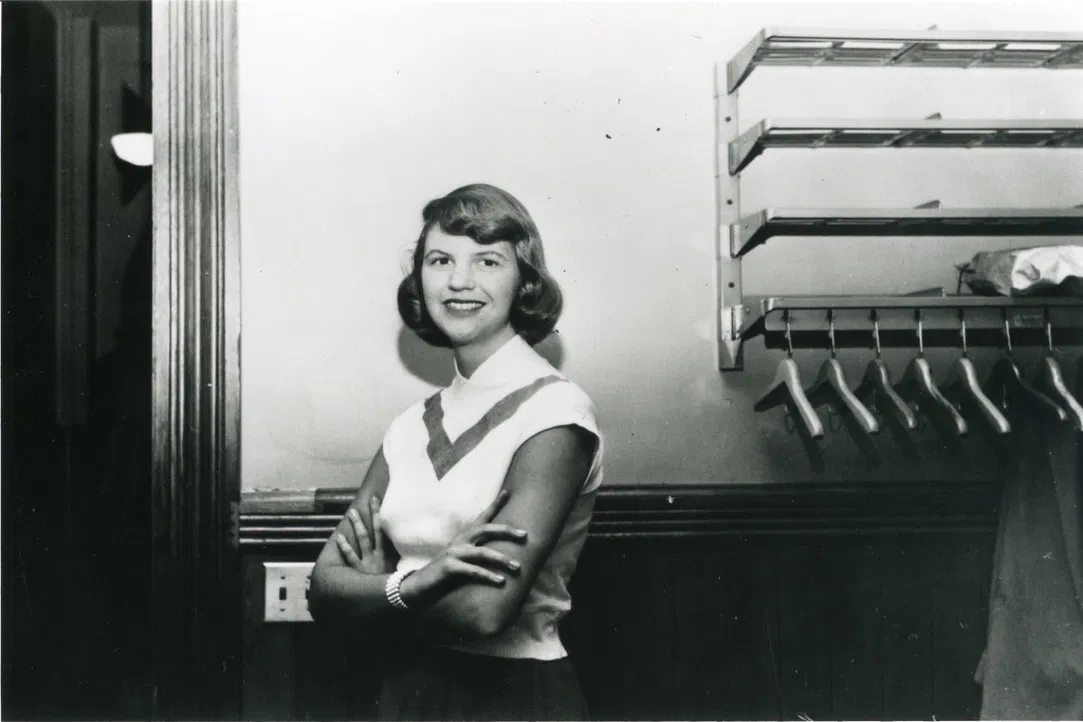
 2. Sylvia Plath — “The Bell Jar” (1963)
The novel by American poet Sylvia Plath contains a vast number of autobiographical elements and almost exactly reproduces the state Plath was in during 1953 before her first suicide attempt.
According to the plot, the main character, Esther Greenwood, gets the opportunity to intern at a prestigious New York magazine. However, the prospects of the big city and the hope for a better life turn out to be false, and the noisy parties and their regulars are completely fake. As a result, the heroine finds herself in total isolation, under a glass bell jar and burdened by a huge number of expectations pressing down on her. The writer's block and the gender role of the traditional wife, which is imposed on Esther, lead her into a deep depression.
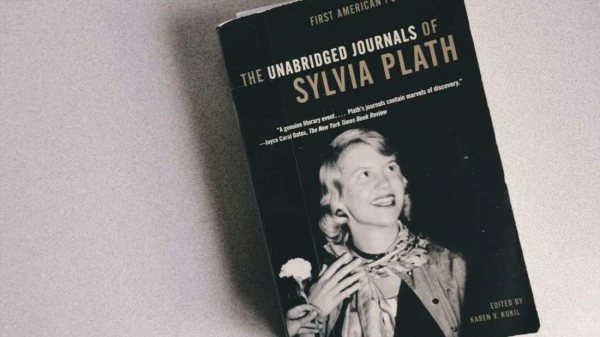
Thus, "The Bell Jar" brilliantly describes not only the situation of women in America in the 1950s and 60s, but also the state of psychological crisis, the trigger for which can include the immense pressure from society. Through the example of a single woman, Plath shows the destructive power that gender stereotypes and societal expectations can possess. In addition, Plath very accurately conveys the state of a person in deep depression, in the clinical sense of the word. Helplessness, numbness, distorted perception of the world, suicidal thoughts, and the total lack of understanding of the heroine's inner state by those around her sound surprisingly modern even today.
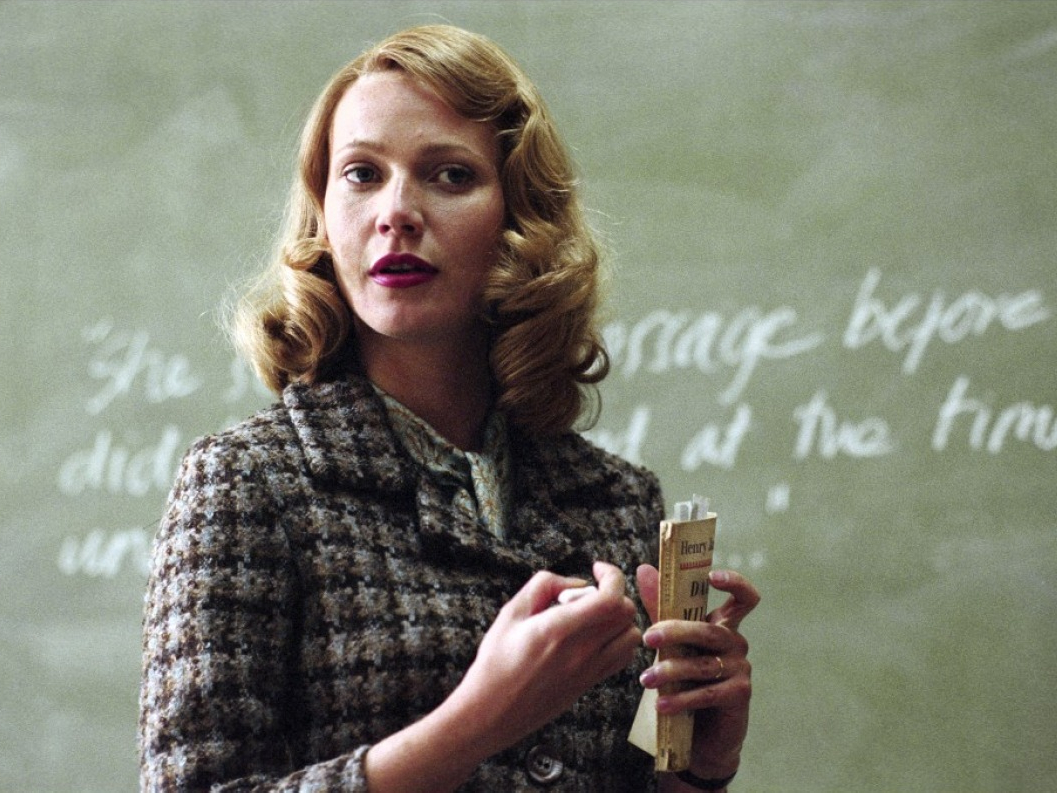 Гвинет Пэлтроу в роли Сильвии Плат в фильме «Сильвия», 2003 год
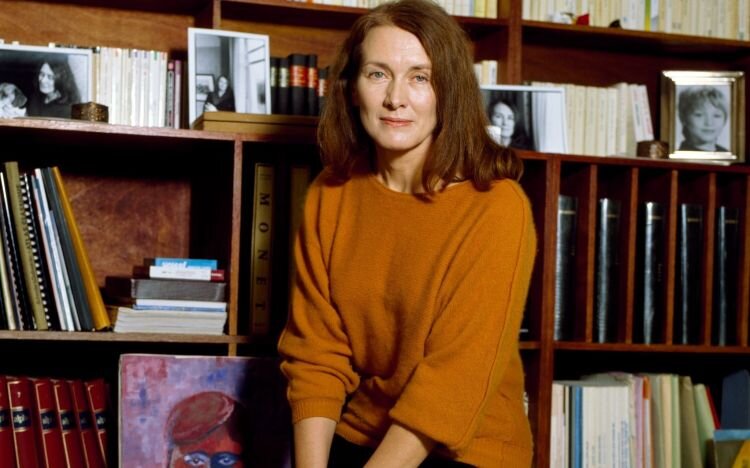
3. Annie Ernaux — "The Years" (2008)
The contemporary French writer Annie Ernaux regularly turns to details of her own biography in her novels and candidly tells the reader about her first sexual experience, complicated relationships with her parents, motherhood, and at the same time about how society has changed over the years. Using everyday sketches, fragments of her own memories, and a simple documentary language, Ernaux recreates not only her own experience but also the experience of an entire generation of women against the backdrop of historical processes and a changing political course of society.
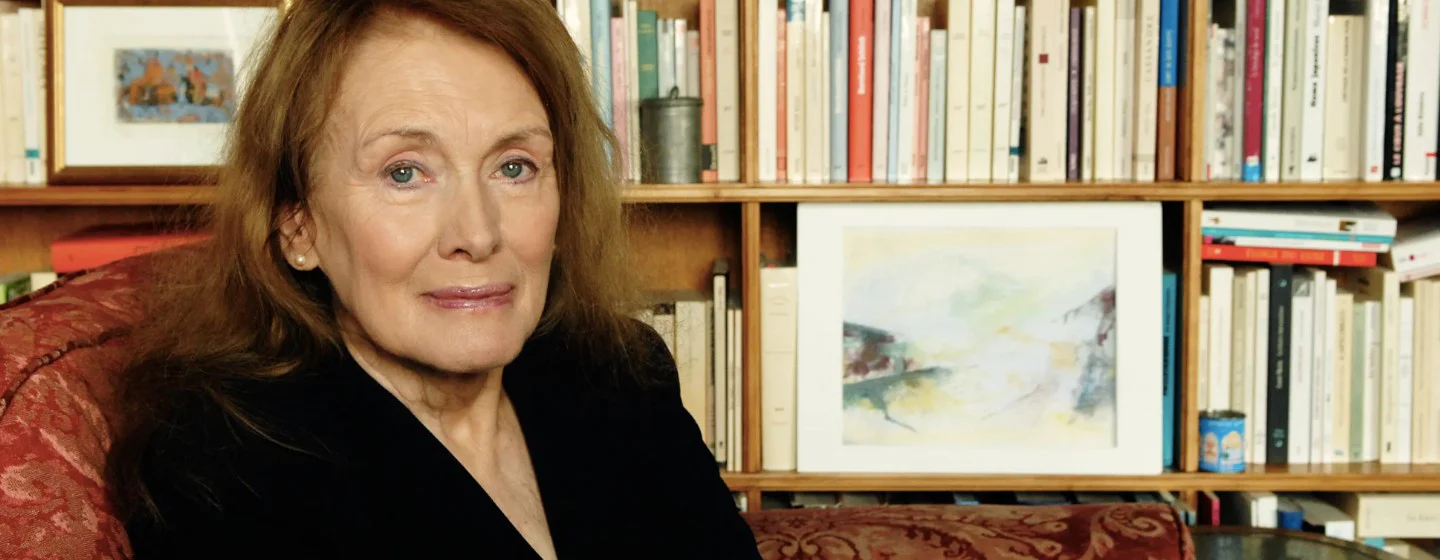
In 2022, Annie Ernaux received the Nobel Prize for her novel "The Years," which is now considered not only one of the best examples of autofiction, but also a vivid document of how the perception of women changed in European society in the 20th century. The novel itself does not have a plot in the usual sense, and the narrative is determined only by the passage of time.
Together with Ernaux's heroine, we experience a vast number of historical events: childhood in postwar France, the era of student unrest and the sexual revolution, the beginning of the Algerian War, the development of digital technologies, and the rise of capitalism. At the same time, all changes in society are conveyed through everyday details, and in parallel, we learn about first love, the contradictions between the "working class" and the intelligentsia, an underground abortion, shame about one's origins, changes in the perception of one's own body, role in society, motherhood, and much more.Recalling her life journey, reflecting on aging and the peculiarities of memory, Ernaux's heroine seems to sew a patchwork quilt, in the patterns of which everyone can find themselves.
4. Joanna Walsh — “Breakup” (2018)
Once again, we observe how autofictional literature rejects linear structure, because the plot is secondary compared to the emotional crisis embodied in the narrative. Thus, Walsh’s novel is a kind of travelogue, consisting of diary entries, fragmented memories, photographs, and quotes. And it is precisely this form that most successfully conveys the inner state of the heroine, who is experiencing a breakup and, hoping to reassemble herself, sets off on a journey across Europe. Notably, the text pays great attention to transitional zones, zones of alienation: train stations, stops, airports—places where movement gives way to waiting and everything comes to a standstill (unlike classic travelogues, where the focus is precisely on the journey).
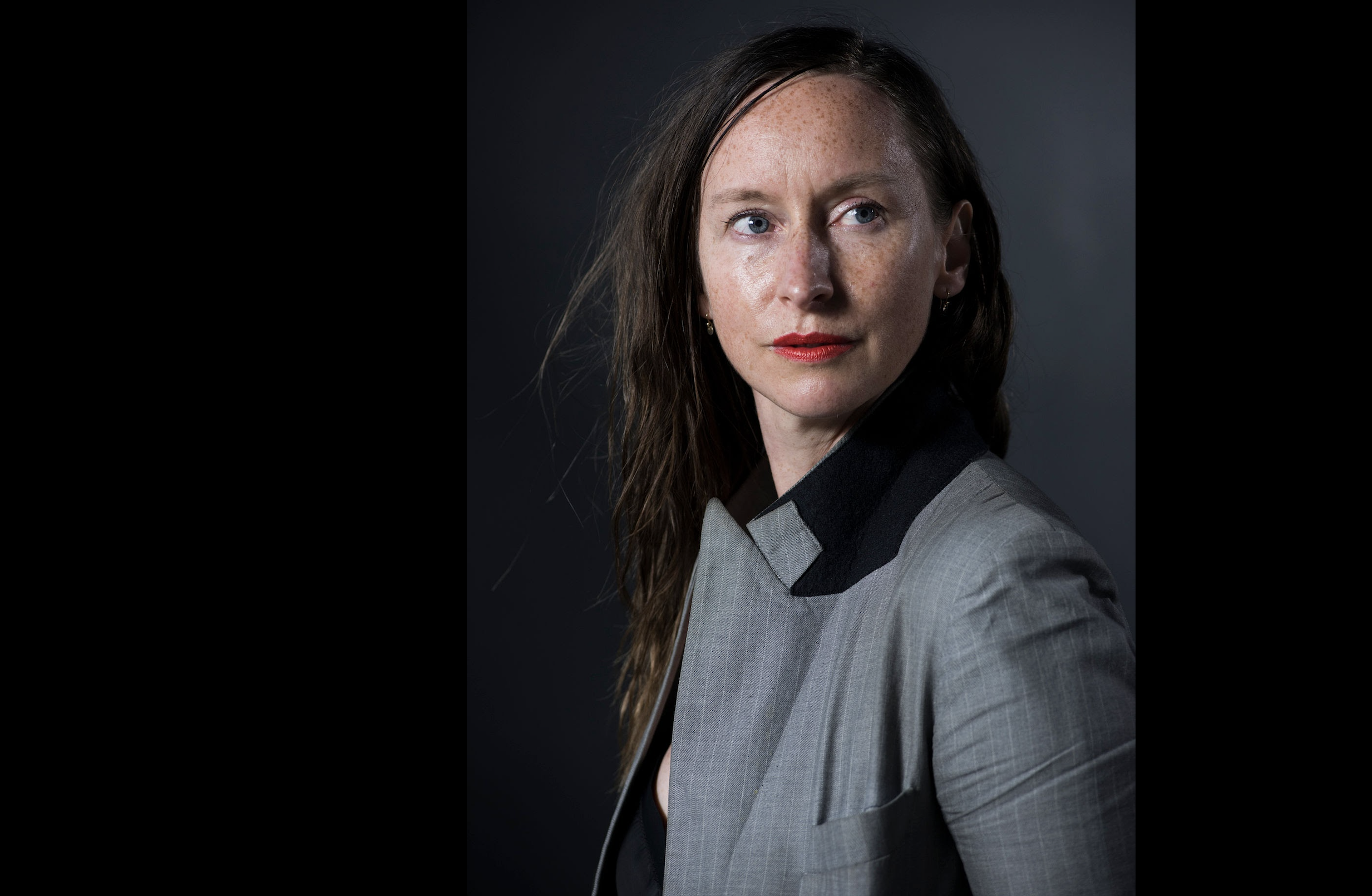
Trying to move on (both literally and figuratively), the heroine keeps stopping and mentally returning to a relationship that never really happened, because it unfolded online. How do you truly leave someone when you’re just one message apart? How do you forget a person whose presence was so elusive and yet so constant? Block, delete the chat, hide stories — how irreversible is that? Does it really help you realize that it’s over, that it’s final, when a breakup online isn’t an action but just a button in the settings? Walsh’s heroine reflects a lot on how modern technology and digitalization affect our perception of relationships and their very nature.
5. Olga Martynova — “A Conversation about Mourning” (2024)
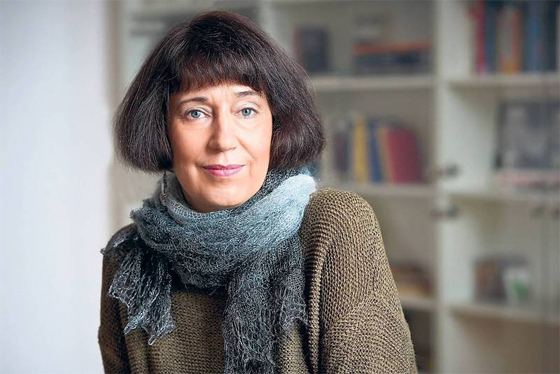
Olga Martynova is a contemporary poet who also works in journalistic genres: essays, reviews, and others. The theme of emigration can be called her leitmotif. Being at the intersection of two cultures (Russia and Germany), two languages, she often reflects on her own identity, on collective memory, and on the experience of an individual who has faced many historical upheavals.
In 2024, Martynova's book "A Conversation about Mourning" is being released, which is uncharacteristic for the writer. This subtle, piercing, "bare" work is an attempt to live through "what cannot be lived through"—the death of her own husband, Oleg Yuriev.
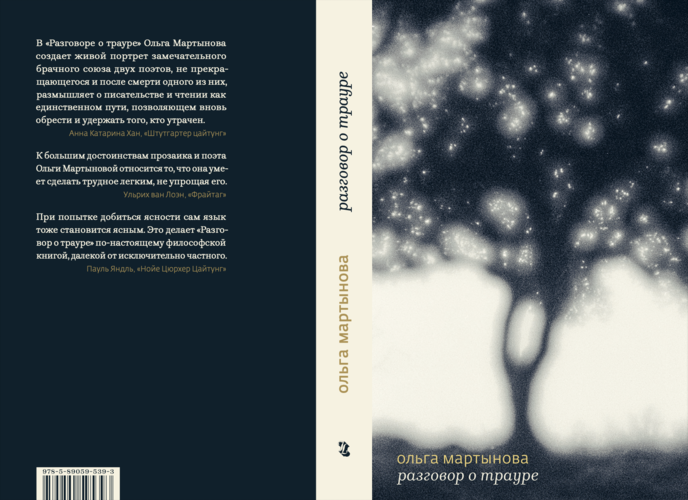
As in many autofictional texts, there is no linear plot in "A Conversation About Mourning." This book is a mosaic, consisting of diary entries, literary and cultural references, memories of life together, reflections on death, memory, and mourning. It is an honest account of how the death of a loved one paralyzes you, and your own life comes to a halt the moment you once again see the empty seat at the table. Martynova recalls her husband's scent over and over, his gestures, even his awkward phrases, checks her email as if there might be another unread message from him. At some point, her own words—wounded and stunted—are no longer enough, and Martynova turns to literature about death and loss in hopes of finding some kind of crutch.
“A Conversation About Mourning” is nothing like a psychological guide on how to cope with the death of a loved one, and it certainly won’t describe the “five stages of acceptance.” Martynova’s book is a candid monologue, full of love and sorrow, deeply human and mournful.
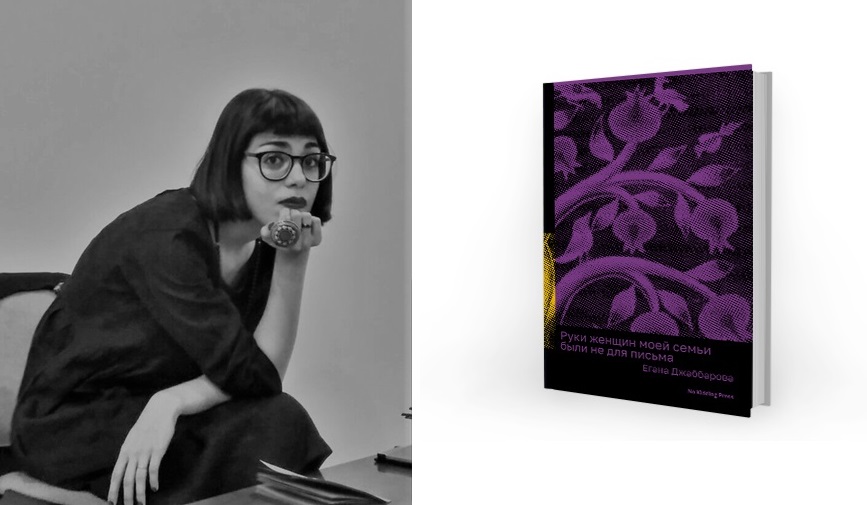
6. Egana Jabbarova — “The Hands of the Women in My Family Were Not Meant for Writing” (2024)
Egana Jabbarova is a contemporary writer of Azerbaijani origin who openly discusses in her texts the foundations of patriarchal society, the suspended state between two cultures (Baku and Russia), and corporeality in all its physicality.
Accordingly, the main themes of the autofictional novel "The Hands of the Women in My Family Were Not Meant for Writing" are the taboos that Muslim women are obliged to follow and the neurological illness of the main character. At the same time, they are united by a common metaphor — the bodily one. The hands of the women in her family are made for work, the belly — for giving birth to a child, the lips — for timid whispers. Long hair is a woman's pride, her honor. Unplucked eyebrows before marriage are a symbol of her status in society. Jabbarova's heroine, like all women raised in a Muslim patriarchal environment, knows this from birth, but tries to resist.
The novel is a collection of small rebellions by the heroine, who tries to defend her freedom, and at the same time, it is the story of an entire generation of women, practically a sociological study. A woman's body belongs to anyone: her husband, relatives, God, society—anyone but herself. And, astonishingly, the deliverance from this social control turns out to be a terrible illness for which there is no cure, and a serious operation is far from a guarantee of well-being. Her body shrinks every day from unbearable pain, and she can only move thanks to an electrical stimulator implanted in her neck. Yet this unthinkable suffering also brings a kind of painful relief, because it renders Jabbarova's heroine no longer suitable for the traditional role of a woman, and now her hands—are precisely for writing.
7. Bea Lema — "Embroidering Wounds" (2024)
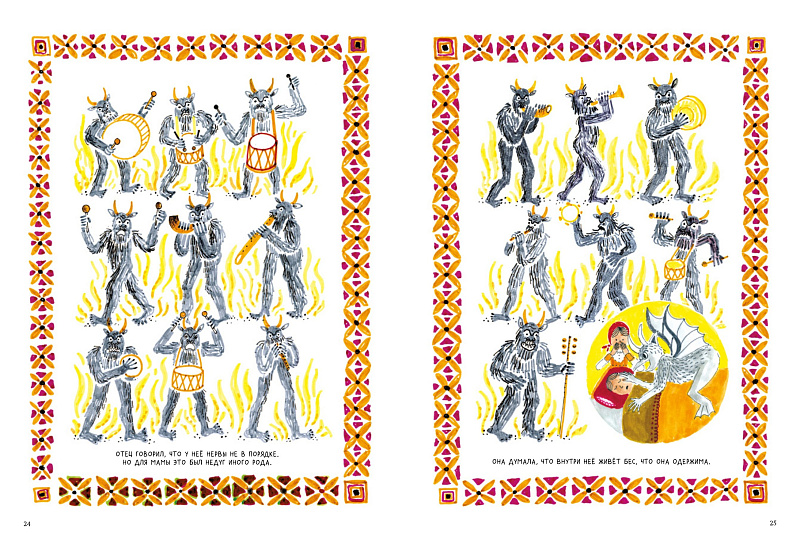
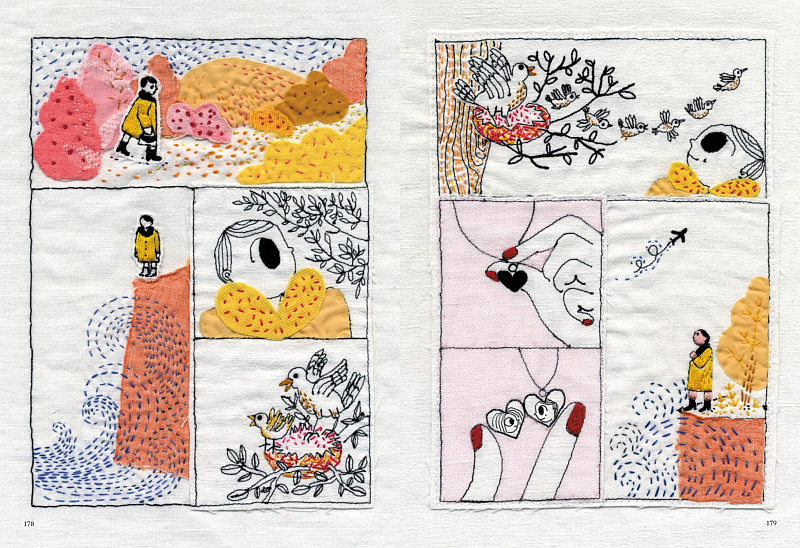
Finally, I want to tell you not about a novel, but about a comic, which may sound strange or inappropriate, since comics are stereotypically associated with superhero universes and are generally considered to be on the periphery of art. This approach is not very fair, because nowadays art in the broad sense is increasingly striving for fusion in order to convey a full emotional experience. For example, the autobiographical comic by Spanish artist Bea Lema, "Embroidering Wounds," uses a large number of visual techniques: marker drawings, patchwork, hand and machine embroidery, to enhance the emotional response to the text.
 Вышивая раны
At the center of the story is a little girl named Vera, who had to grow up quickly because her mother suffers from a severe mental disorder. Her mother sees a demon everywhere, tormenting her and controlling the life of the whole family. Little Vera can no longer run, jump, make noise, or behave like a normal child, because this might anger the “demon.” No one takes little Vera to dance classes anymore, because her mother is always lying in bed or drinking, and her father completely ignores his wife's condition and is growing more distant from the family. And little Vera becomes an adult for her mother: she takes care of her, comforts her, and does everything she can to help her. This is a story of the extraordinary love of a little girl and the difficult condition of an adult woman, the roots of which go far back into the past.
On a visual level, Vera's story is told with colored markers, which emphasizes her childishness and innocence, making it even harder to watch what the child has to endure. At the same time, Lema uses black thread embroidery to separate the present from the past and to show the mother's own childhood. She grew up in a poor Spanish family with a patriarchal upbringing, except the head of the family was a drunkard who treated his wife and children terribly, spending the last of their money on alcohol. In the family, they said he was possessed by a demon, and prayed endlessly, but things never got better. Thus, we feel sympathy for little Vera's mother, we understand where the "demon" comes from, and that in reality it is her own past that terrorizes her.
“Embroidering Wounds” is an amazing story both textually and visually, which tells of the difficult fate of a little girl and a grown woman, but gives hope, as it leads to the idea that love saves even from “demons.”
 Беа Лема
Right now, autofiction, like no other literary genre, allows us to draw attention to the subtle, piercing, muted female voice, which, if it was ever heard in the literary canon before, was only quieter than a whisper.
Newsletter
A letter from the HD editors
Once a week, we send the best stories, events, and cultural discoveries from Central Asia.