Cinema and Performing Arts
The younger brother has grown up: discussing the evolution of the image of an Uzbekistani in Russian-language cinema
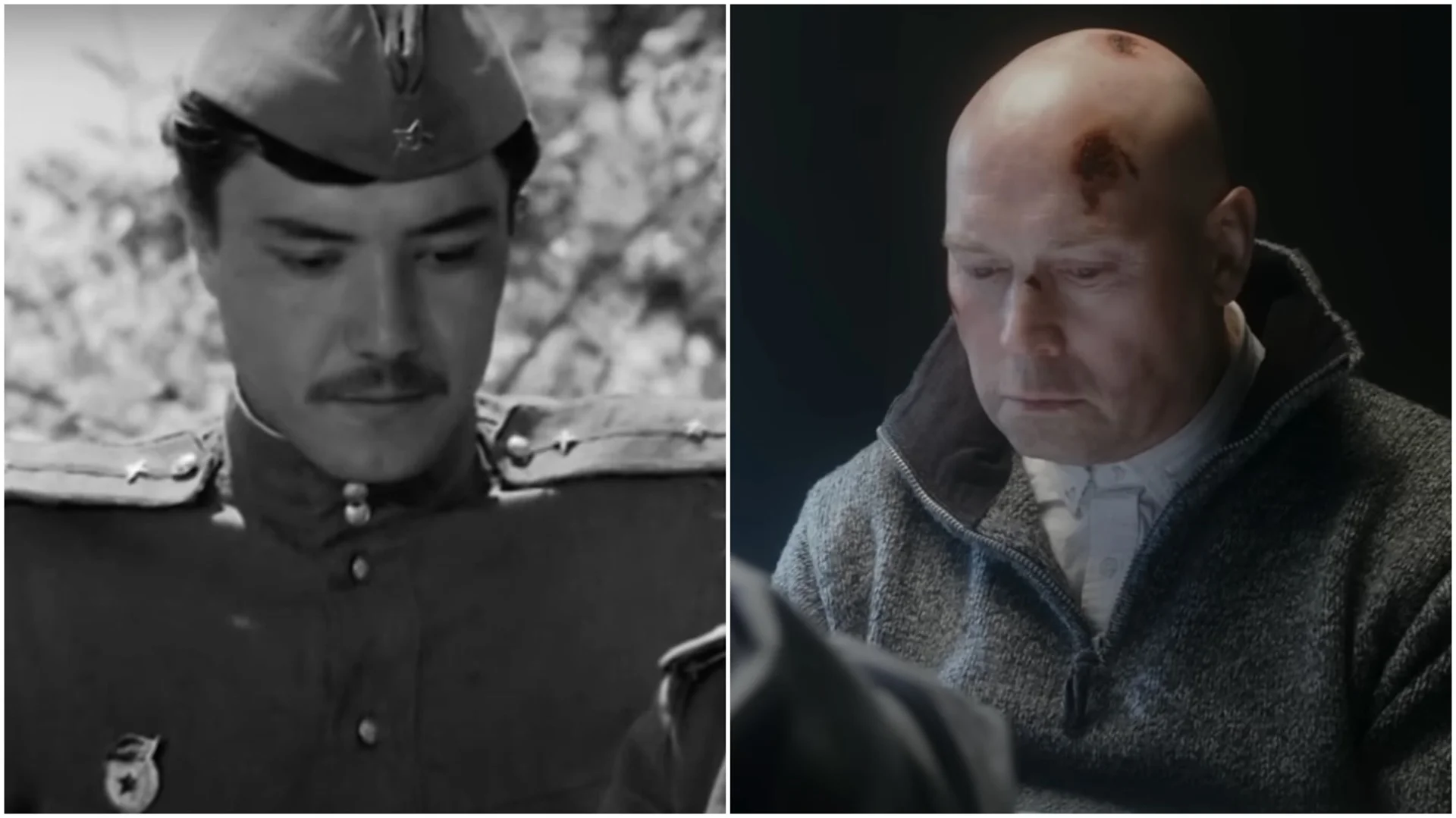
Soviet cinema portrayed the Uzbekistani protagonist as almost saintly. He helped in times of trouble, shared his last possessions, fought bravely in war, but spoke little about himself. Russian-language cinema of the 2000s ridiculed and dehumanized him. And only in recent years has he begun to find a voice, and with it, the right to tell his own truth, not someone else's story.
Soviet cinema did not so much reflect reality as mold it according to ideological patterns. The Uzbek on screen transformed into an image of virtue—generous, magnanimous, like the very land of the East. But this perfect archetype was silent: he had no history of his own except that written by ideologues, he did not ask, argue, or choose. He served an idea, rather than unfolding as a human being.
Utopia of Brotherhood: The Uzbek Hero in Soviet Cinema
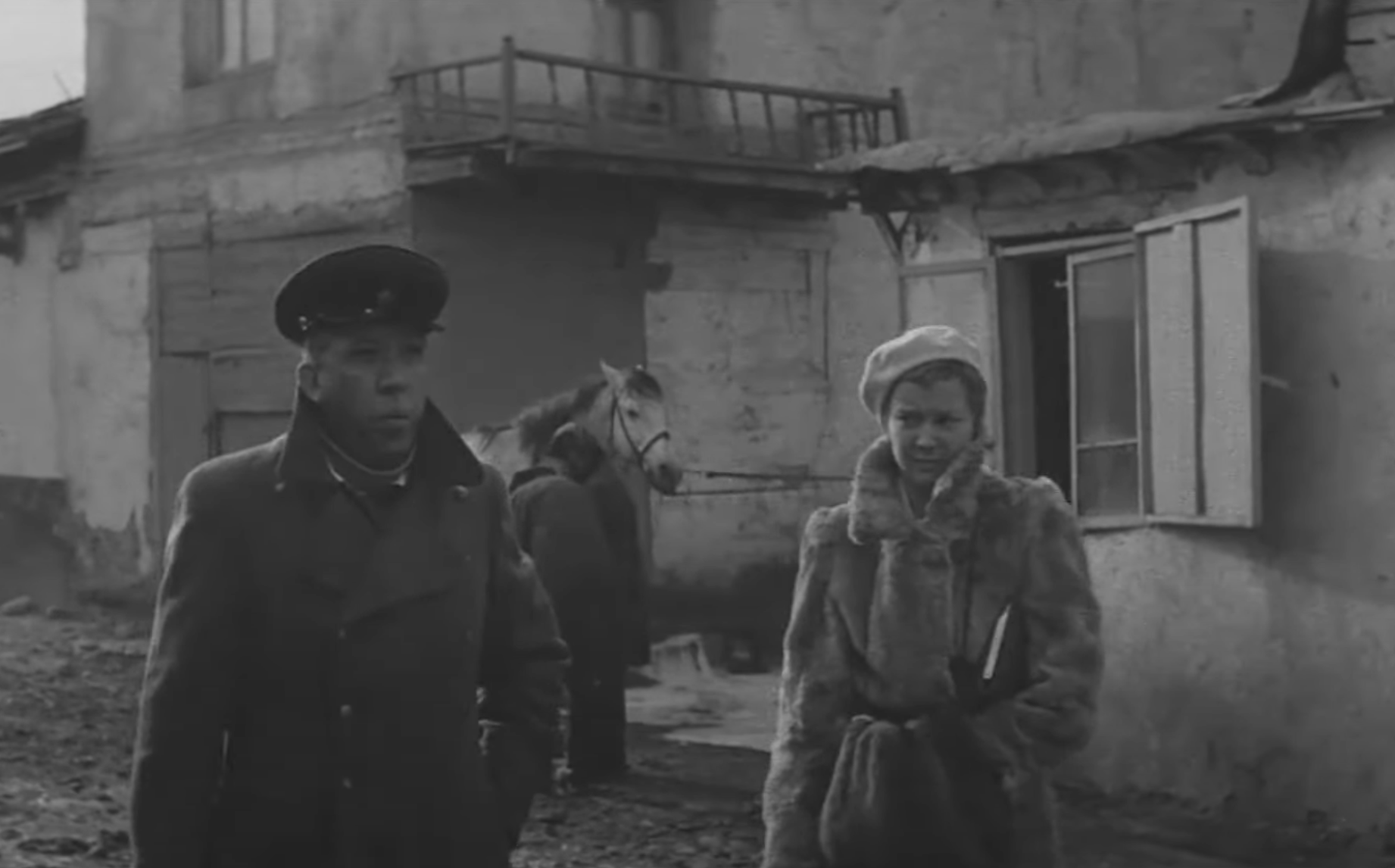
One of the most striking examples of this approach was the film by Shukhrat Abbasov 'Tashkent — The City of Bread' (1968). A boy named Misha travels to Tashkent to escape the mass famine in the Volga region and earn sustenance for his family. The story is told through the eyes of a child, while the Uzbek character in the film is not the narrator but a background figure: silent, kind, necessary. He saves and provides shelter but remains a shadow. His nobility is elevated to an absolute, yet it is depersonalized.
More detailed strokes to the portrait of the cinematic Uzbek emerge in another film by Abbasov — "You Are Not an Orphan" (1962). The film tells the story of an Uzbek family, that of blacksmith Shaahmed Shamakhmudov, which took in and adopted fifteen orphaned children from different corners of the USSR. It is a story of how, on the home front, the measure of a feat became humanity, not heroism on the battlefield.
But even here, despite the depth of the act, the protagonists—the blacksmith and his family—appear as elements of a mosaic composed of mythologemes about the unity of the Soviet people. Good here is not a personal quality, but a social instinct dictated by the era.
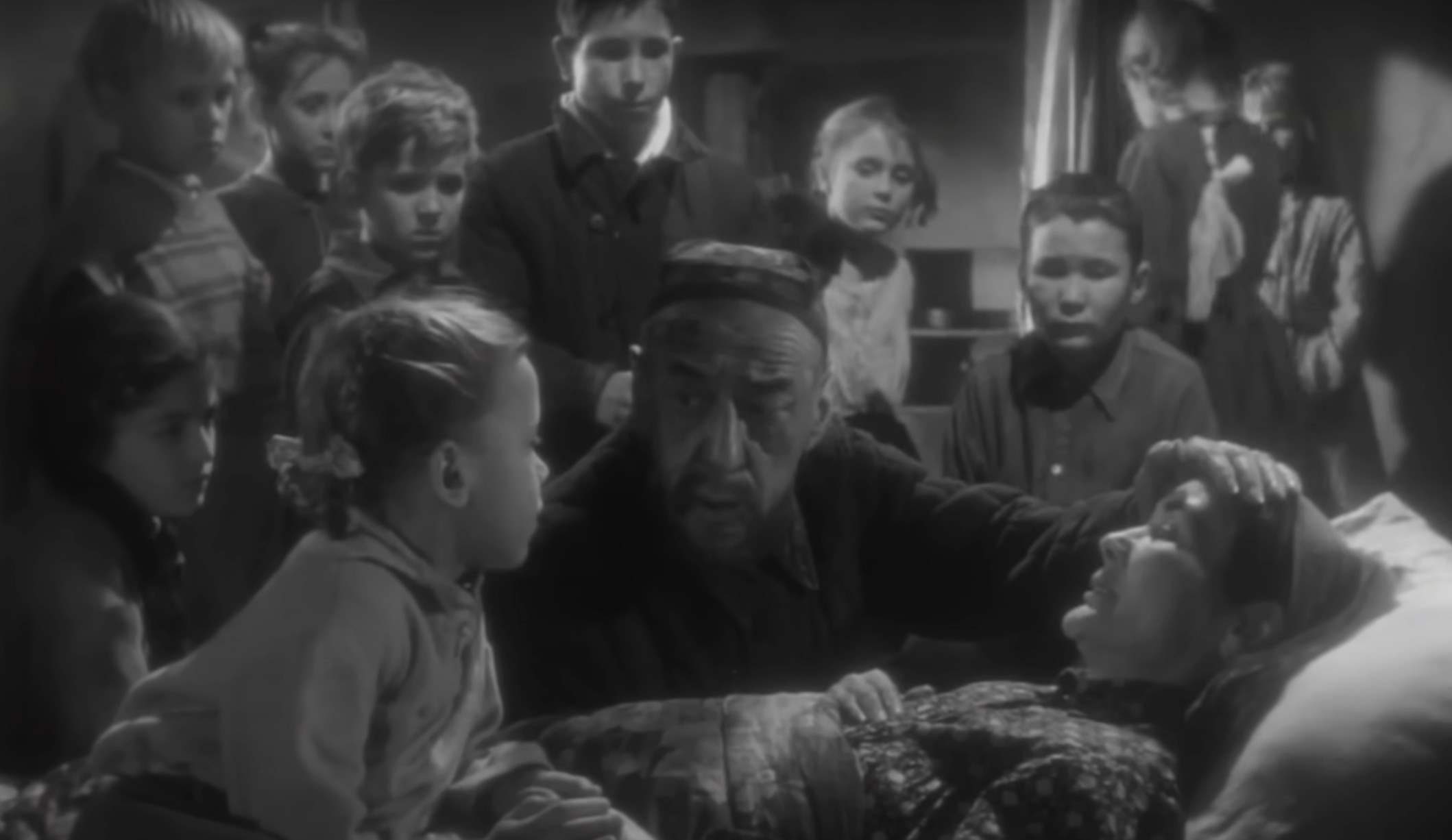
Nevertheless, the spirit of the time was such that during the Second World War, thousands of Uzbek families shared their homes with children evacuated from the front-line or occupied territories of the RSFSR, Ukraine, and Belarus. Hamid Gulyam wrote about this in "Tashkentians," and actor Yuri Stoyanov and singer Joseph Kobzon, whose childhood was spent in Yangiul, recalled this. In 2019, Russian journalist Mikhail Gusman even proposed awarding Tashkent the title of "Hero City of the Home Front."
Tashkent appears as a living character in Alexei German's film "Twenty Days Without War" (1976). The city is depicted not as a mere backdrop, but vividly and atmospherically. One can feel the breath of war there, but it also contains life, love, and culture—theaters here did not close even in the most difficult year of 1942. The hero played by Yuri Nikulin—a writer and war correspondent—finds love here, observes the filming of a movie based on his own essays. The East in this story does not look exotic; it provides shelter, support, and hope.
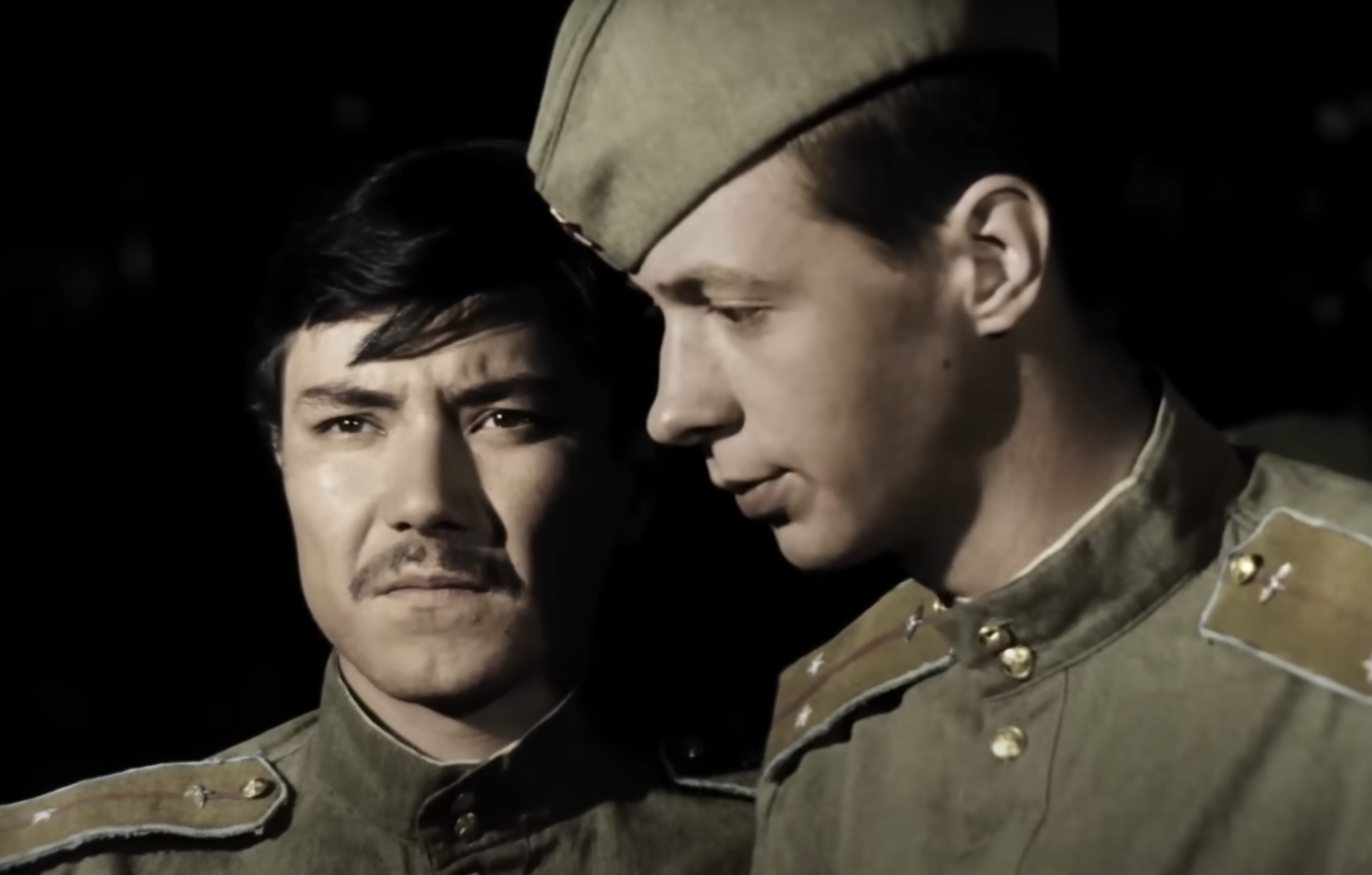
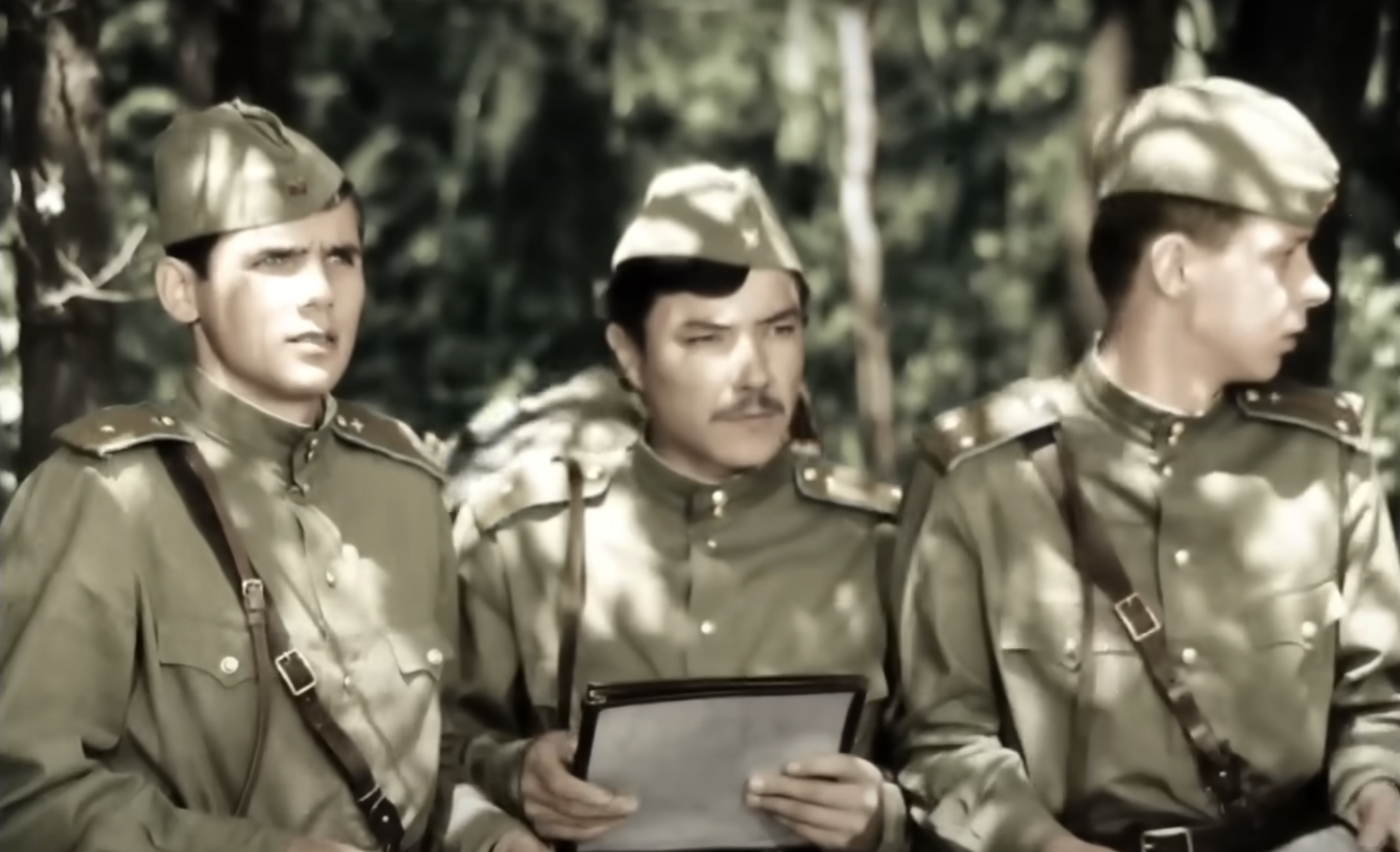
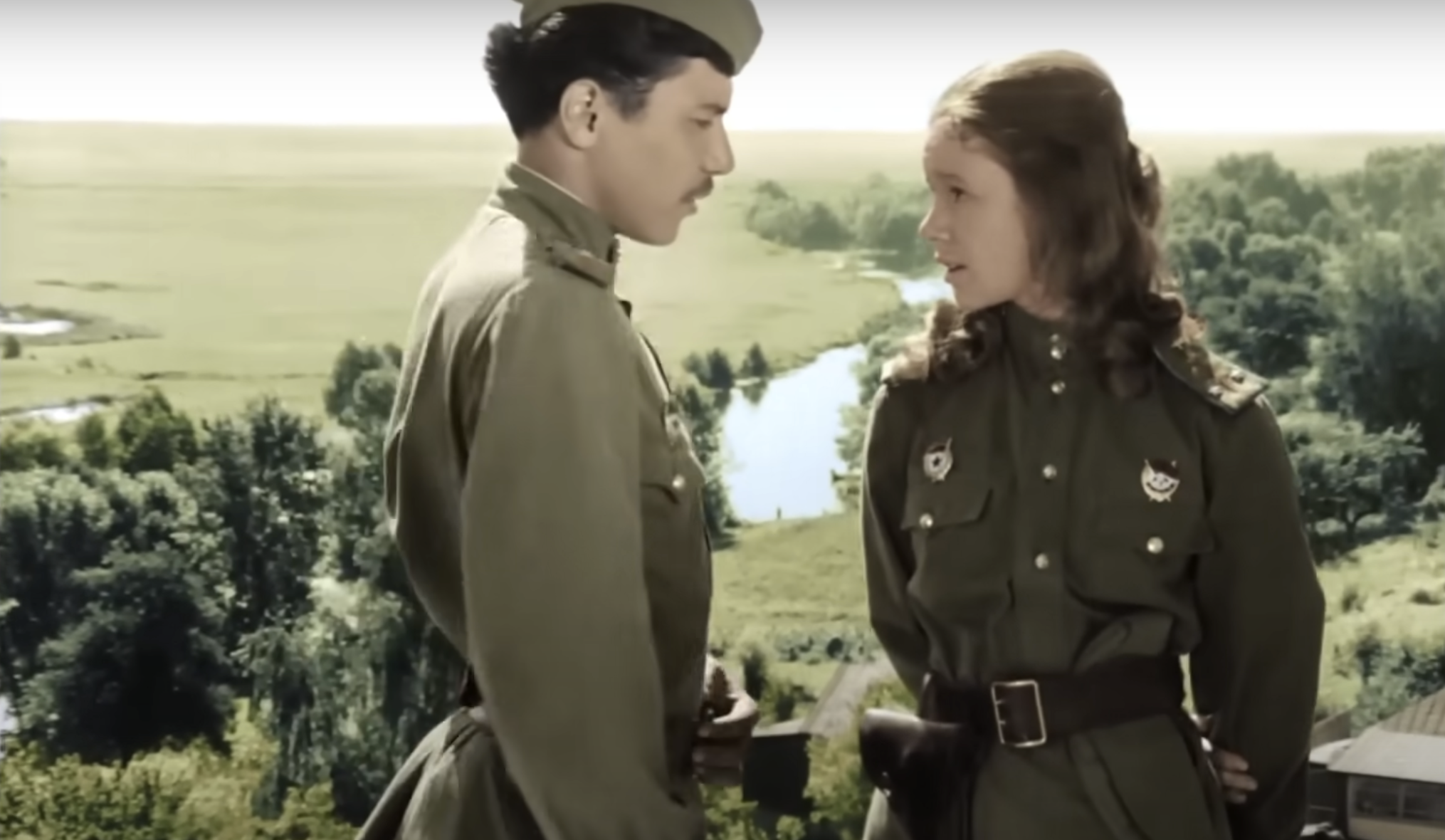
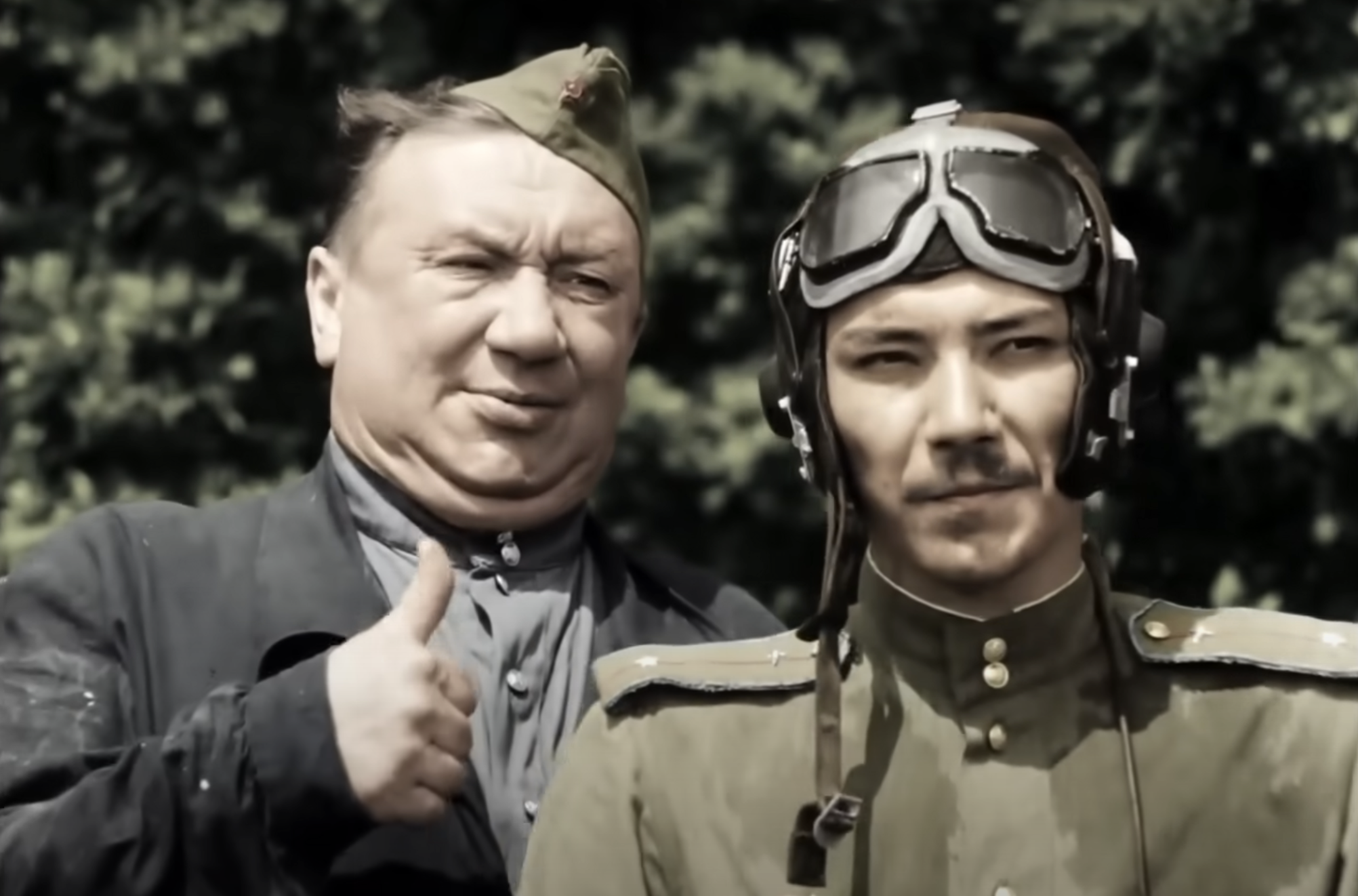
A truly vivid and well-rounded Uzbekistani protagonist also emerged as the fighter pilot in the film "Only Old Men Are Going Into Battle" (1973). In this role, played by Rustam Sagdullaev, there is not a hint of grotesque. Junior Lieutenant "Romeo" is a brave, subtle, tragic figure, not a decoration, but one of the central characters. His feelings for the Russian female pilot Masha are not a slogan of internationalism, but a living drama.
The Image of the Migrant: From Comic Grotesque to Social Tragedy
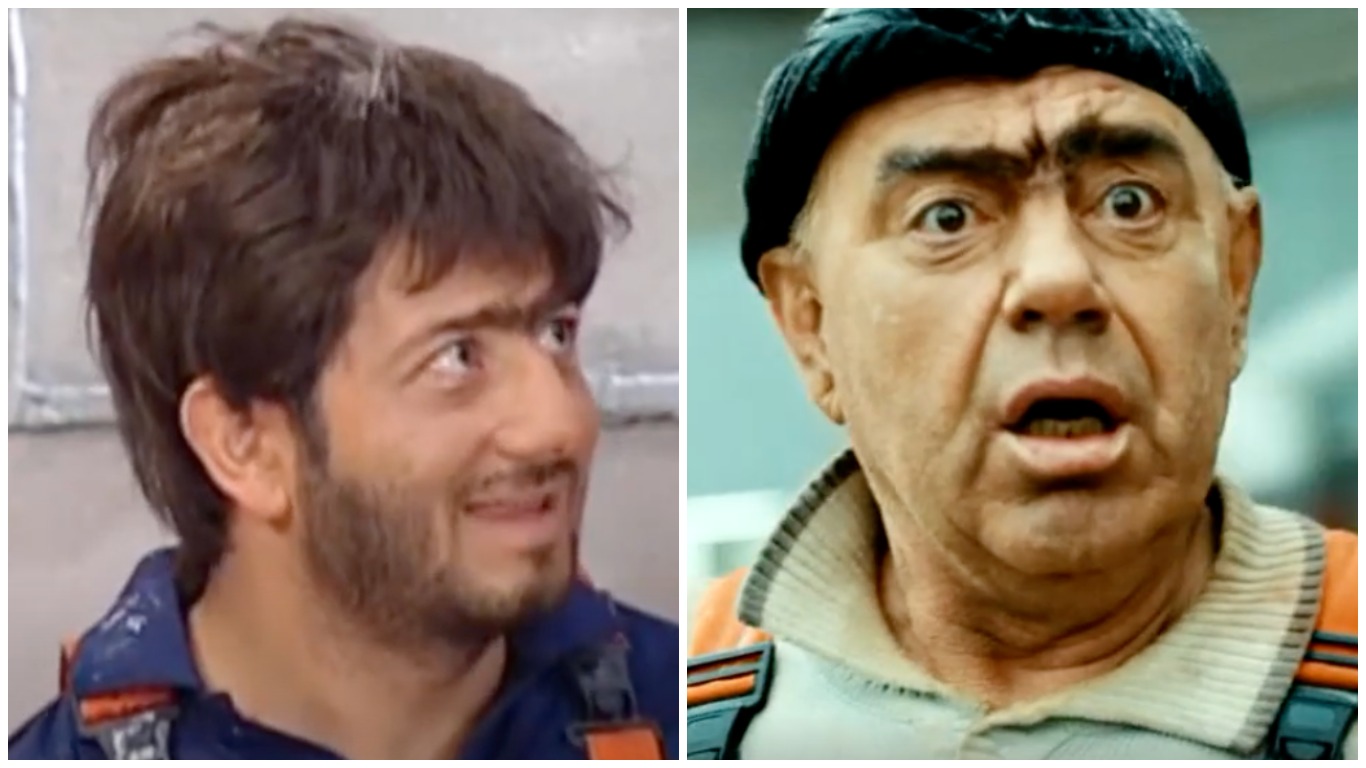
The romantic archetype of a person from Soviet Central Asia became exaggerated in the 2000s, when mainstream Russian-language cinema turned its attention to the phenomenon of labor migration to Russia. One of the most telling and controversial examples of dismantling the Soviet cinematic myth of friendship among peoples was the duo Ravshan and Dzhamshut from the TV project "Our Russia" (2006–2011). These characters embody a collective stereotypical image of a migrant from a hypothetical Tajikistan—naive, helpless, and somewhat foolish.
Created in the sitcom genre, these images were intentionally generalized and depersonalized. Their function is less about ridicule and more about reinforcing the image of the "other" through alienating laughter. In some episodes, the creators did attempt to sketch out the real problems faced by labor migrants. However, the grotesque, at times contemptuous and xenophobic, prevented the tragedy from being seen even when characters were deprived of basic rights, deceived, held captive, or when they returned home with a few hundred rubles in their pockets—without a future or dignity.
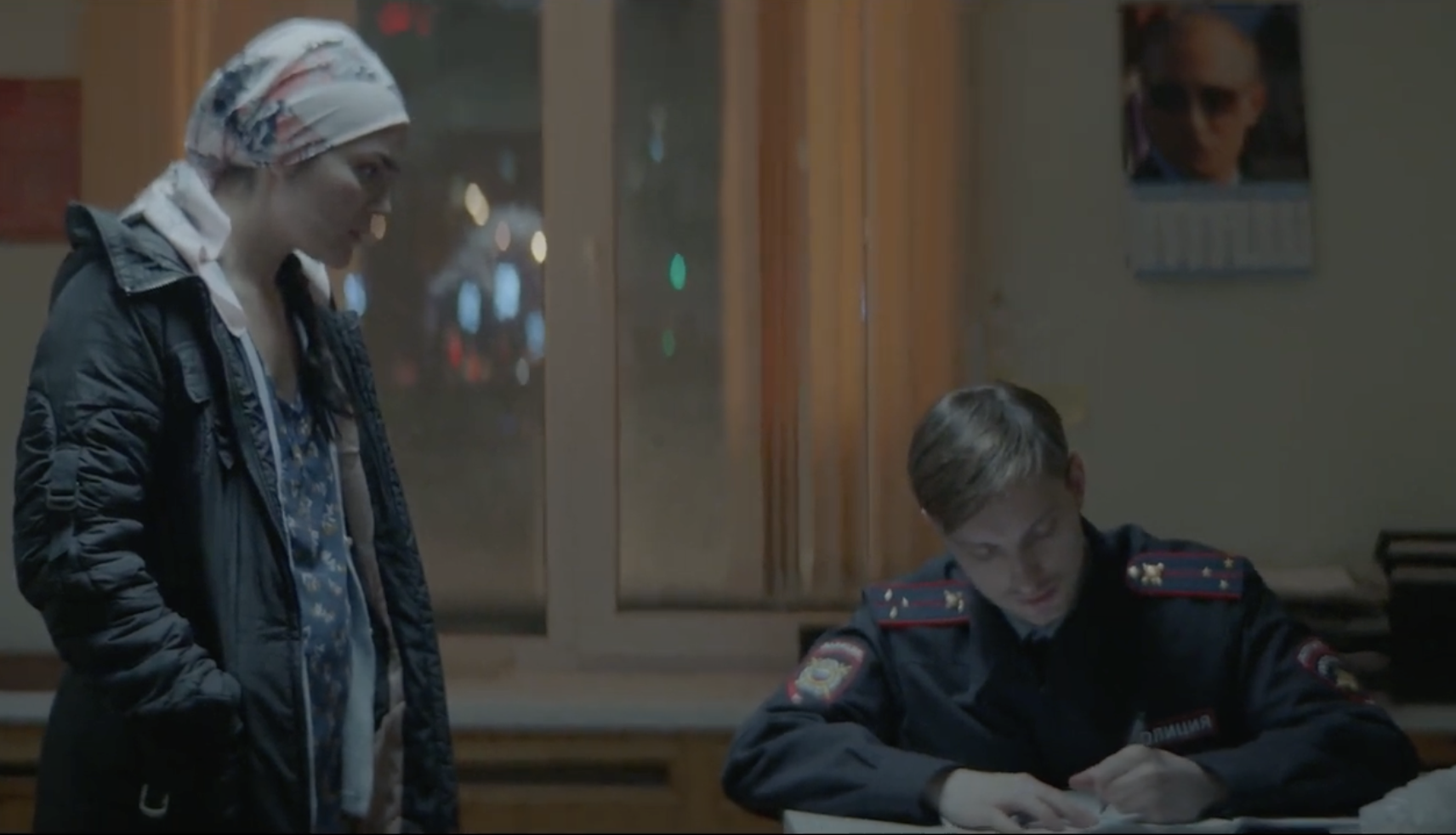
The trend of dehumanizing Central Asian residents in the 2010s was something director Mikhail Borodin tried to reverse. His key works, based on real events, are the short film "Registration" (2019) and the full-length drama "24 Products" (2022).
The film "Registration," presented at the IV "Gorky fest" festival, is the story of a woman stopped by the police in front of her home while carrying medicine for her sick infant. Not speaking Russian, she was unable to explain the purpose of the ampules, was detained, and subjected to violence by a police officer. A particularly powerful impression is made by the scene with the infant left alone in a dark apartment. From this laconic domestic tragedy unfolds a powerful statement about vulnerability, fear, and hopelessness.
The feature film "Products 24," presented at the 72nd Berlin International Film Festival, raises the same themes — violence, impunity, and a legal vacuum. The creators of the film were inspired by the story of the so-called «Golyanovo slaves».
The film shows not only the system of exploitation, but also its vicious mechanism of reproduction. The shop owner, Jeanne, is cruel, cold-blooded, and confident in her impunity. The story becomes even more eerie when the former victim—the main character, Muhabbat (played by Zuhara Sansyzbai)—herself takes the place of the oppressor.
Her metamorphosis is symbolic and visually palpable: from a tormented woman with an extinguished gaze, she transforms into a new "Jeanne" — with hair dyed a light color, in the same store, among new "slaves." One might try to justify her actions by her mother's illness, the lack of support in her homeland, the separation from her child. But this only emphasizes the depth of her personality's breakdown and the sickness of a society in which the system of oppression remains unchanged.
Today, against the backdrop of growing interest in social cinema and the rethinking of post-Soviet identity, such films reveal an important and painful truth. They capture not only the fates of people on the periphery of society but also demonstrate how thin the line is between victim and accomplice of the executioner.
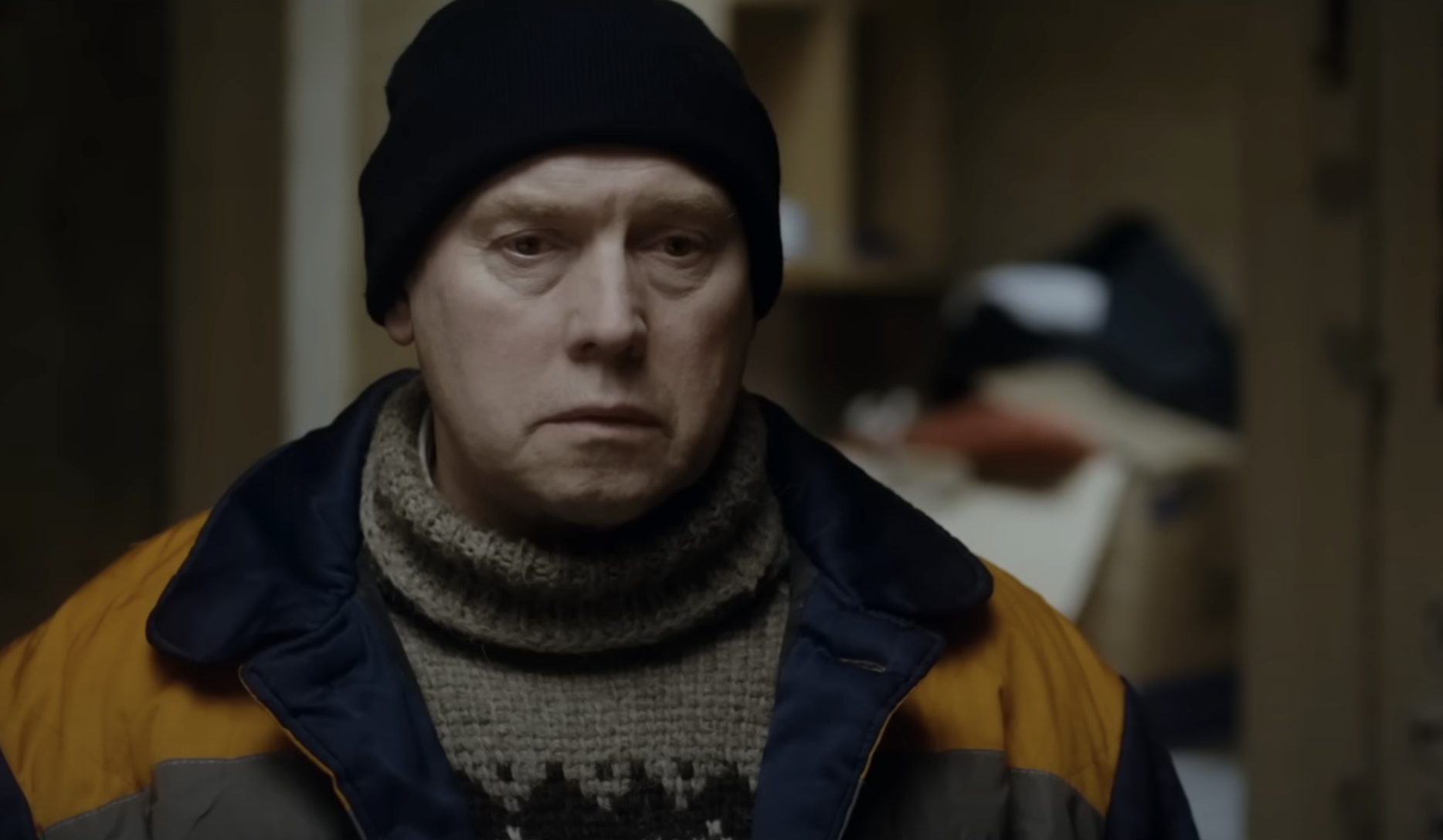
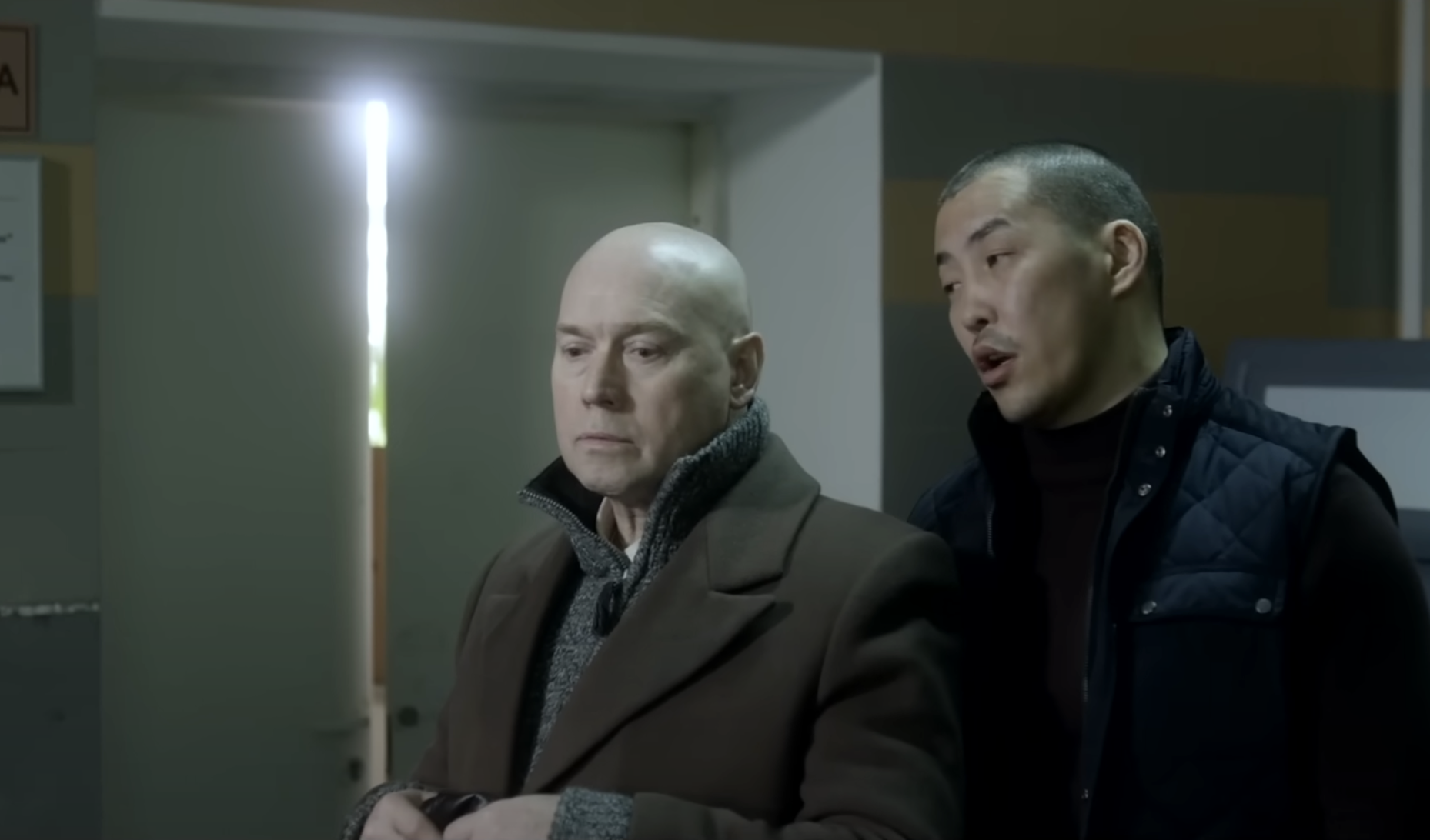
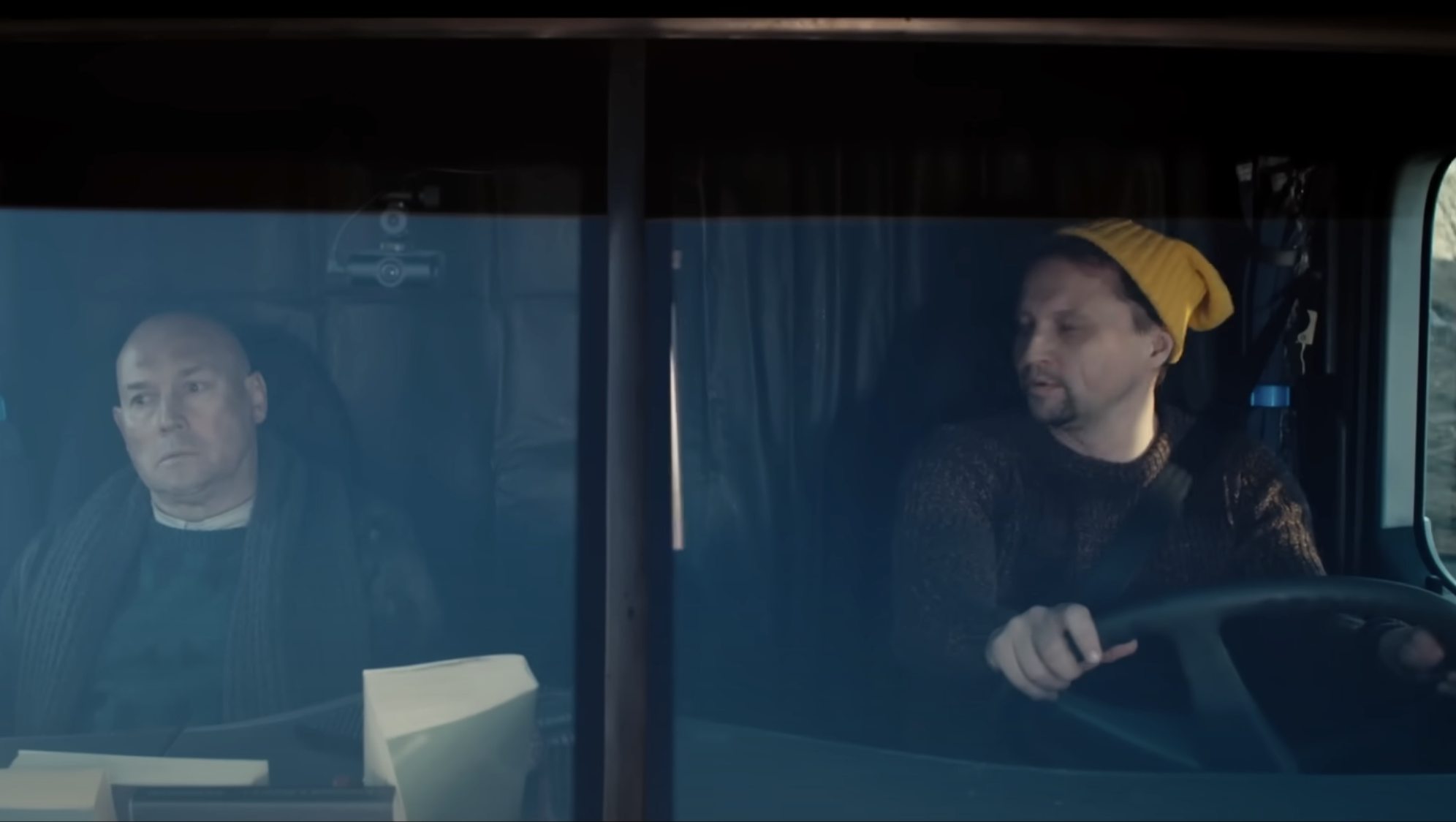
Against this backdrop, the work of Alexander Novikov-Yanginov, "Stars" (2018), stands out particularly. The hero of the painting—a teacher from Tashkent, an ethnic Russian who came to Moscow to earn money for his daughter's treatment—becomes a symbol of a different image: intelligent, dignified, tragically human. This is not a comedic mask nor a background character. Viktor Sukhorukov managed, in an unfathomable way, to tell the story of a sensitive, vulnerable, yet crystal-honest individual—and also to speak in the frame in nearly flawless Uzbek.
Despite their schematic nature and inclination toward the canon of naive art, "The Stars" highlight an important cultural phenomenon: Russian-speaking and indigenous inhabitants of Central Asia are mentally much closer to each other than it seems. In Kyrgyzstan, Tajikistan, and Uzbekistan, they are understandable, familiar, almost one's own. In their historical homeland, Russia, they have already become practically strangers, whose only privilege is to stand out in the crowd of migrants by their face and the name in their passport.
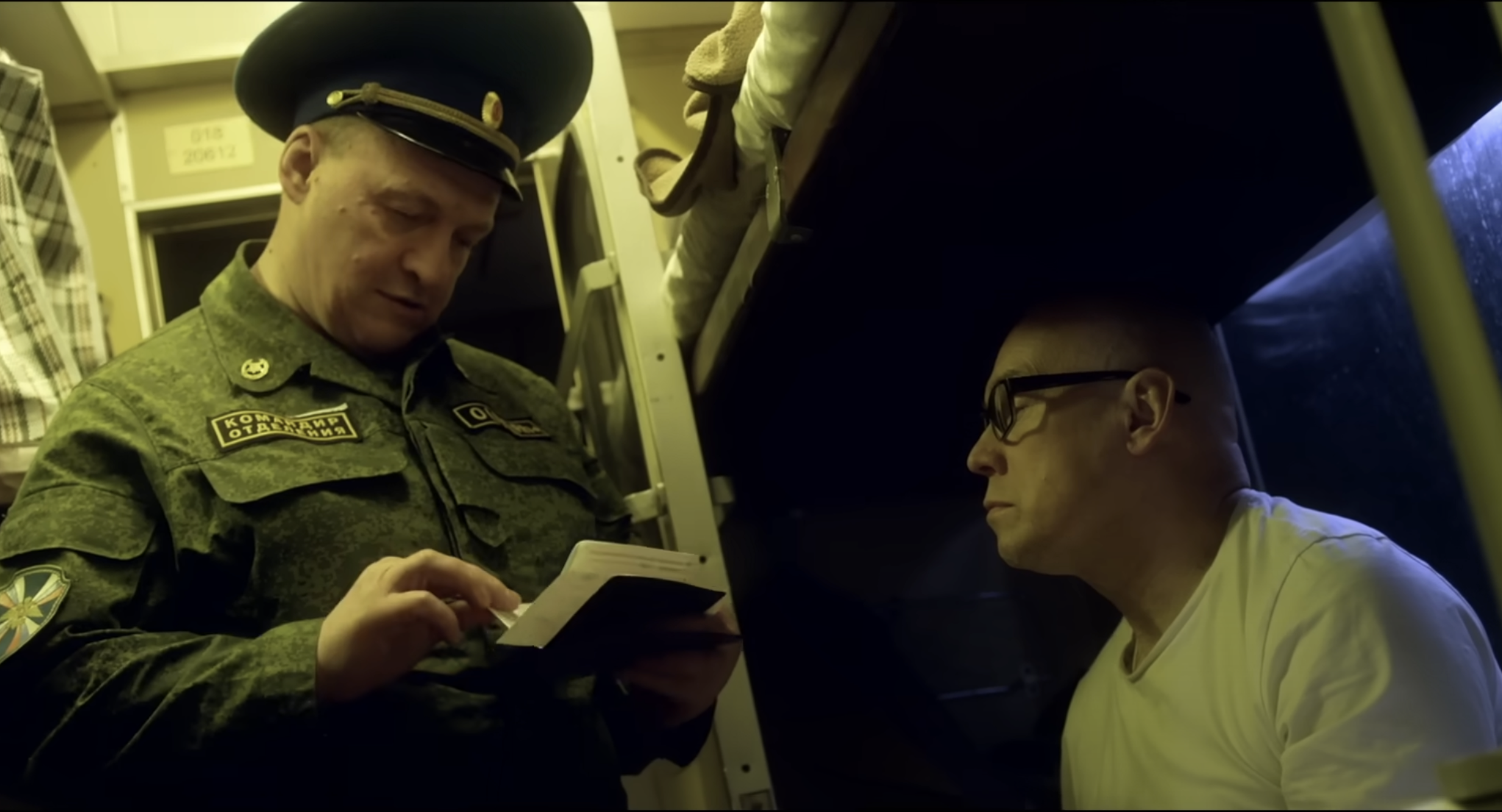
The final shots of "Zvezda" look like a belated homage to the hero of Sergei Bodrov Jr.: a long-haul truck driver, Sukhorukov's hero, an escape from the country—only here, the brothers are completely different.
Another attempt to break through the veil of stereotypes was Oleg Khaibullin's series "Destiny by Choice" (2011), in the episode "Giftedness" of which Alik Khasanovich appears — a scientist from Uzbekistan. He is not a cast from archetypes, but a full-fledged character, an opponent, thinking and equal to the others.
From Silent Shadow to Voice
Russian-language cinema is gradually moving away from the stereotypical, universal image of the migrant worker. There is a growing realization that behind this cumbersome German word lie complex destinies, living human natures, and a striving for a decent life. This marks the beginning of the path toward genuine representation—not exotic or schematic, but deeply human and sincere. Quality feature-length cinema is preparing for an important transition from irony to empathy, from condemnation to a desire to understand. There are still few such films, but those that have already been shot are forming a new ethics of on-screen storytelling.
Modern cinema restores not only subjectivity but also a voice to the Uzbek individual. And this voice speaks not only in Russian or Uzbek but in the universal language of human experience.
The future of this new image lies in polyphony and diversity. It can be a migrant, a soldier, a doctor, a mother, or a teenager. It can make mistakes and search, forgive and fight. The main thing is that it must be real. Authenticity is what distinguishes the new Uzbek hero from a two-dimensional screen puppet.
Did you like the story? Subscribe to us on Instagram and Telegram - there's even more interesting content there.
Read also
Newsletter
A letter from the HD editors
Once a week, we send the best stories, events, and cultural discoveries from Central Asia.