Cinema and Performing Arts
Dzhumagul Liberated: The main Karakalpak saga of the 20th century, in which a woman ceases to be a patriarchal victim
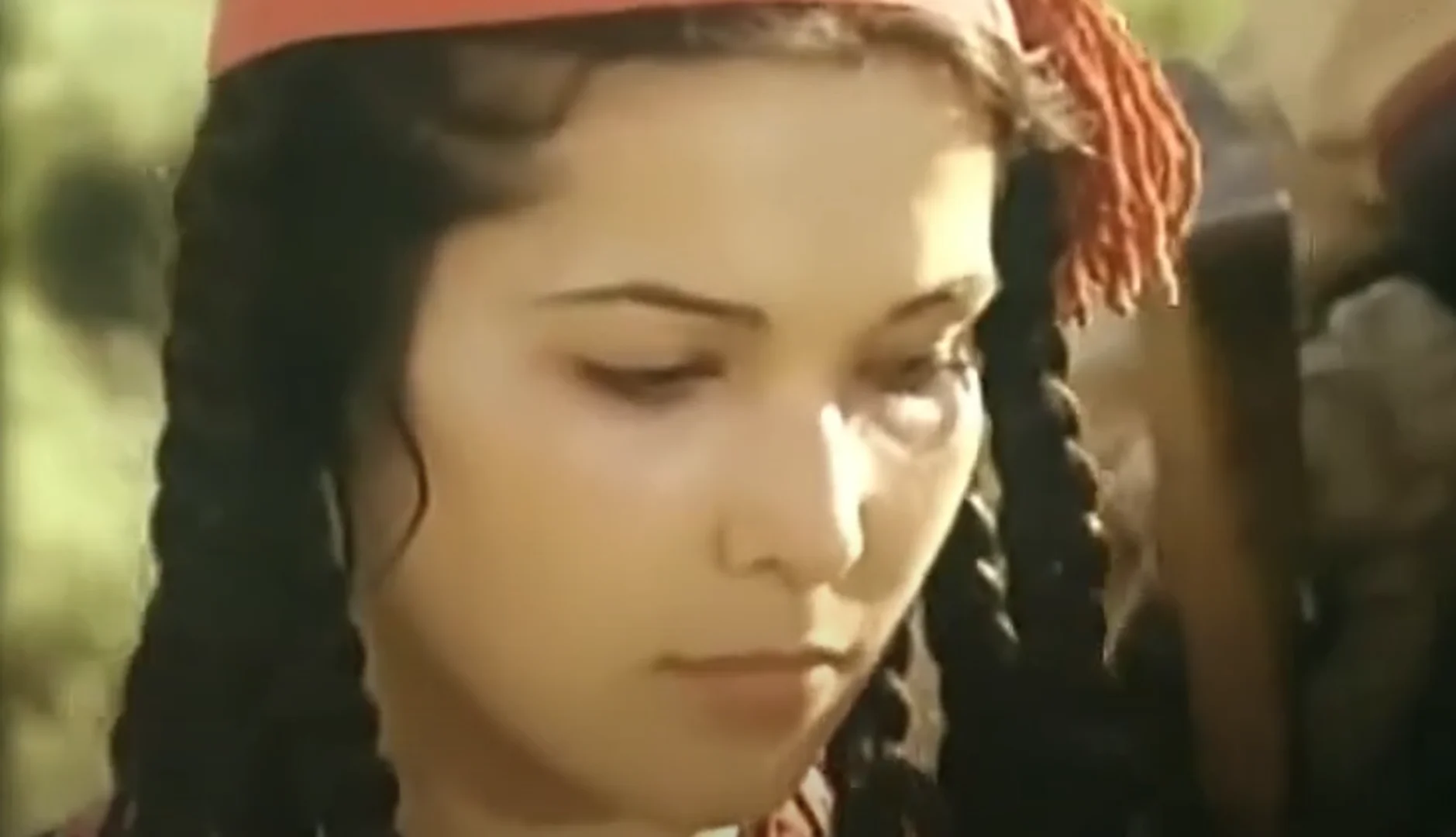
"The Daughter of Karakalpakia" undermines the stereotypes about the sweet-tongued "Oriental" literature. In the main Karakalpak novel of the 20th century, there is no exoticism—only harsh, at times merciless realism, female pain, and the struggle for the right to exist.
Why can Tulepbergen Kaipbergenov's novel "The Daughter of Karakalpakstan" be called "the most unexpected"? Perhaps it's due to its merciless honesty, depth of psychological insight, or how it breaks stereotypes about "Eastern" literature. As Kamil Yashen notes in the introductory article to the Russian edition, it lacks "conventionally Oriental exoticism... fragrant roses and nightingales... cardboard sultans."
This in itself becomes a revelation for a reader attuned to familiar clichés. The novel astonishes not only by the absence of exoticism and its harsh realism, but also by the very fact of the emergence of such a monumental work from what seemed to be the little-known (to a wide audience) Karakalpak literature. The surprise also lies in the fact that Kaipbergenov, instead of presenting polished, ideologically vetted Soviet narratives, shows the full cruelty of the old world and the difficult path to a new life.
People's Writer of Karakalpakstan Tulepbergen Kaipbergenov (1929-2002) — an iconic figure in Karakalpak literature. His creative journey — is a transition from poetry to monumental prose, a deep connection with folk roots, and at the same time — an openness to the influence of Russian literature. Born into a family of a peasant-collective farmer, he absorbed folk art from childhood, listening to songs and tales by the shepherds' campfires.
"Daughter of Karakalpakstan" is not just a depiction of everyday life. It is a profound socio-psychological study of a pivotal era, focused on the fate of a woman — Jumagul, whose life becomes a symbol of the awakening of an entire people.
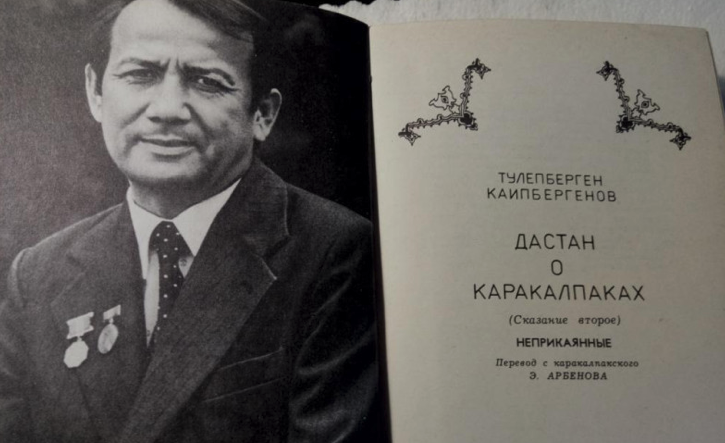
In addition to several novels published in large print runs, Tulepbergen Kaipbergenov collected numerous awards, from the Hamza State Prize to the title of "Hero of Uzbekistan."
The Era of Change: The Historical and Cultural Canvas of the Novel
The novel transports us to Karakalpakstan at a turning point in time — from the pre-revolutionary way of life to the first, drama-filled post-revolutionary years. We see a patriarchal existence where cruelty and lawlessness reign, personified by the figure of the rich landowner Zaripbay, who beats and drives out his wife Sanem and their young daughter: "Cursed creature! Will you leave my house, or must I drive you out like a dog?!" — these words of Zaripbay set the tone for the entire narrative about a woman's lot.
The power of bais and the clergy seems unshakeable, and the position of women — hopeless. Poverty and wandering, when Sanem is forced to beg for alms, saying: "People say: after forty doors, a beggar knows no shame," — become the prologue to Jumagul's life.
Against the backdrop of her fate unfolds a whole gallery of female tragedies. Jumagul's friend, Bibigul, is forcibly married off to an old but wealthy bay: "The groom, though rich, is as old as this turarngil." Ulzhan, the water carrier's wife — downtrodden but retaining inner dignity — gradually becomes involved in public life through a sewing cooperative, though at first she fears competition.
The most tragic fate befalls Turdygul, the daughter of tailor Tanirbergen. Dreaming of education and love, she becomes a victim of her father's tyranny and religious fanaticism — she is killed by her own father at the instigation of Nurumbet-akhun. Her diary, found after her death, becomes a symbol of awakening consciousness, a cry from the soul: "A person is born for happiness, and those who take it from us are thieves and villains! Such people should have their hands cut off!".
The marriage of Jumagul herself to Turumbet, who at first seems simple and kind to her, turns into a bitter disillusionment. Under the influence of the wealthy landowner Duisenbai, who "patronizes" and corrupts him with handouts, as well as his cruel mother-in-law Gulkike, Turumbet turns into a despot. The scene of Jumagul's beating over her hair cut after typhus, her physical and moral decline are described with frightening authenticity. "Losing consciousness, she still managed to think: but all this had already happened once... happened... Only then she was lying face up. When was that?.. When?.. Oh, it wasn't with her... Mother... Mother!.." In the end, Turumbet drives out the pregnant Jumagul, denying paternity.
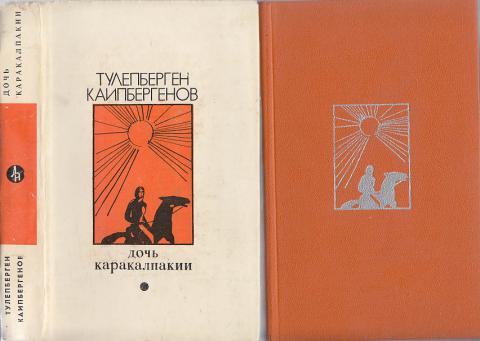
The publication "Daughters of Karakalpakstan" in Russian. Photo: libex.ru
But it is precisely these trials that become the catalyst for her inner growth. The support of kind people – Turebay and Bagdadul, who took her and her mother in, the hard work, the encounters with Aitbay, who awakens in her thoughts of a different life and education, — all this leads her to change. Studying in Tortkul, keeping a diary, returning to Chimbay to work in the women's department, fighting for women's rights, organizing artels and schools — all these are stages of her development.
The final scene, where Jumagul, defending herself and her daughter, shoots the attacker Tajik, symbolizes her ultimate liberation from the role of a victim.
The Evolution of Jumagul — is a metaphor for the awakening not only of an individual but of an entire nation, especially its female half, to self-determination. The traumas endured become both an impetus and an obstacle, showing the nonlinear path to liberation. And education, as the novel shows, — is not a panacea but a tool requiring active application in the struggle for a better future. At the same time, female solidarity, while present, has its limits, clashing with patriarchal norms.
Karakalpakstan: Land and Soul
The novel is imbued with a deep, yet unembellished love for the native land. The author masterfully describes nature — the capricious Erkindarya, the steppe landscapes, — never forgetting either the harsh climate or the burden of peasant labor. This land and its traditions — are not merely a backdrop, but an active participant in events, influencing the fates of the heroes. Customs — both kind and cruel — dictate the behavior of the characters, which is vividly shown, for example, in the scenes of matchmaking and Jumagul's move to the groom's village.
National spirit and identity manifest through language (even in translation, a particular structure of speech is felt), through detailed depiction of everyday life, culture, and the psychology of the characters. The novel does not indiscriminately reject all traditions. Yes, it mercilessly criticizes outdated, inhumane customs — the position of women, kalym, the power of the bais. But simultaneously, it expresses respect for folk wisdom and song heritage (Turebai sings songs by Berdakh and Abai).
Progressive heroes like Aitbai or Turebai do not seek to destroy culture—they want to cleanse it of superficial, oppressive elements. This reflects the complex process of modernization, where finding a balance between preserving roots and moving forward is crucial. The novel contains both self-description of the people and defense of their cultural values, as well as sharp criticism, but nostalgia for an irrevocably receding past is weakly expressed—the emphasis is placed on the necessity of change.
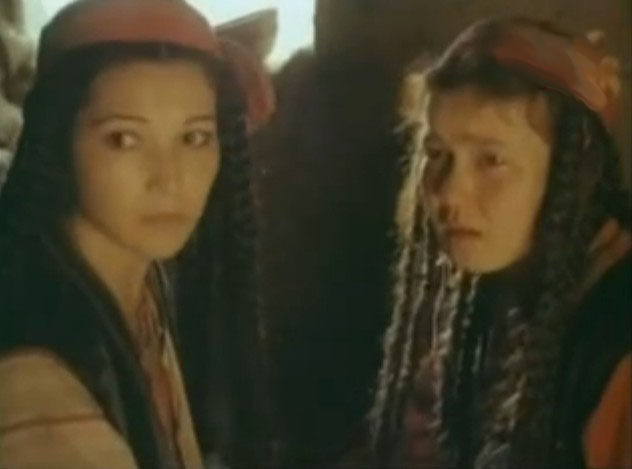
"The Daughter of Karakalpakstan" was filmed in 1981 at "Uzbekfilm".
Language and Artistic Features
Although the novel was written during the Soviet era and deals with revolutionary transformations, it is far from the poster-like socialist realism. The characters are ambiguous, the path to a new life is difficult and full of tragedies. Instead of idealized characters and a clear-cut victory of the new over the old, Kaipbergenov shows the complexity of the process, the suffering of people. Even the "positive" heroes doubt and make mistakes. Revolutionary changes occur not smoothly, but through pain and conflicts. Dzhumagul's weakness at the beginning of the novel indicates a departure from the stereotypical images of strong heroines, which can be regarded as a kind of "quiet" subversion of the canon.
Kaipbergenov employs diverse artistic techniques. Portrait characteristics are often given through details that reflect the inner state of the characters. The speech of the characters — even in translation - often reveals their social status and worldview: the coarse, imperious speech of the bais contrasts with the softer, more poetic speech of ordinary people. The language of the novel is enriched with folklore elements — proverbs, songs, folk beliefs, — which connects it to Karakalpak speech culture. Psychological depth is achieved through action and expressive detail, rather than through lengthy reflections, making the narrative dynamic and vivid.
Why is "Daughter of Karakalpakstan" important today?
The novel by Roman Tulepbergen Kaipbergenov not only captured a pivotal moment in the history of the Karakalpak people but also elevated the standard of national prose, becoming part of the national consciousness.
But its significance extends far beyond national literature. The themes of women's emancipation, the struggle for dignity, the right to education and self-realization, so vividly depicted in Jumagul's fate, remain acute in many cultures even today. The problem of the clash between tradition and modernization, the search for identity in a changing world — is universal. The profound humanism of the novel, its sympathy for the "little person," resonates with readers of different generations and nationalities. By expressing the thoughts of the people of Karakalpakstan, the author became a voice for the thoughts and aspirations of many other peoples.
Thanks to its strong plot, vivid characters, and universal themes, the novel is understandable and interesting even to those unfamiliar with the local context. Its popularity stems not from exoticism, but from realism and psychological depth.
"Daughter of Karakalpakstan" — is not just a story about the past. It is a work that makes one ponder the cost of progress, personal responsibility, and the necessity of fighting for one's rights and for a better future. The fates of Jumagul, Sanem, Bibigul, Turdygul — are a reminder that the struggle for dignity and equality is an ongoing process.
The novel remains "unexpected" even today because its honesty and depth continue to surprise and move. It does not become outdated, as it touches on fundamental aspects of human existence and social changes that remain relevant in the 21st century. Its ability to generate a "stream of reader responses" decades after publication speaks to its enduring power and significance. To read this novel — is to touch living history, the strength of the human spirit, and to great, honest art.
Did you like the story? Follow us on Instagram and Telegram — there's even more interesting content there.
Read also

Newsletter
A letter from the HD editors
Once a week, we send the best stories, events, and cultural discoveries from Central Asia.