Cinema and Performing Arts
A fairy-tale world of true goodness: what Uzbek animators are talking about in their (very cozy) works
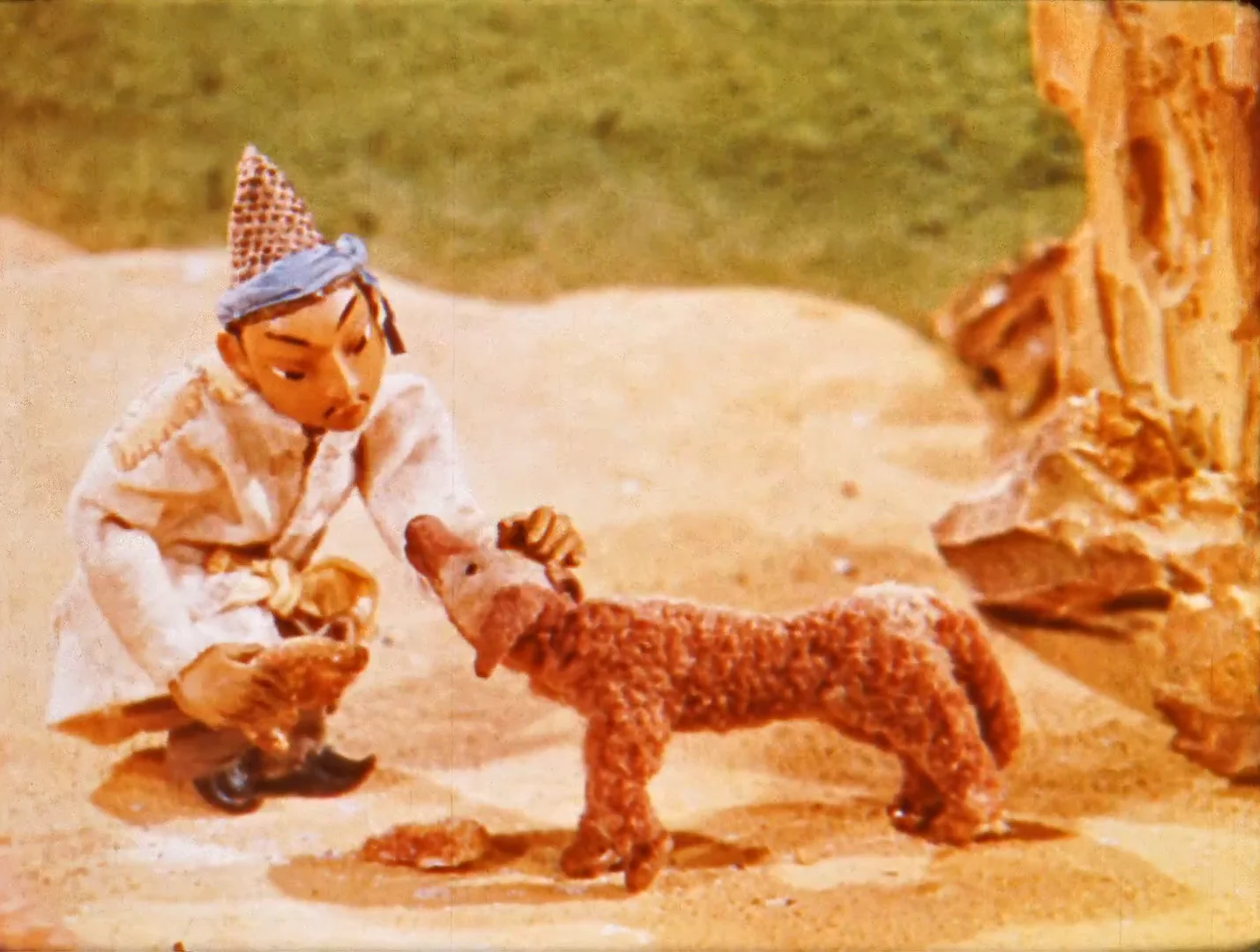
Have you ever thought that we learn cultural characteristics, national values, and our native mentality precisely through domestic cartoons? After all, animation is one of the first forms of art a child becomes acquainted with. In childhood, we don't realize that we are receiving important information—we simply immerse ourselves in the magical adventures of bright, distinctive characters. And as we grow older, we subconsciously follow the principles taught to us by our parents and the stories from our childhood. We enjoy rewatching these cartoons—and now we show them to our own children.
Cartoons in a way shape the backbone of our worldview. Take American animation, for example. Yes, there aren't that many stories about the Wild West, indigenous peoples, or prairies (though they are not entirely absent). But in most films, you can feel the spirit of pioneering and the drive toward new horizons. The works of one of the best American animators, Don Bluth, immediately come to mind: from "An American Tail" to "The Land Before Time."
With thoughts and hopes similar to those of the characters in these paintings, Europeans—the ancestors of modern Americans—were drawn to the New World. If you think about it, even the famous Disney princesses, originating from the tales of European authors, are seeking a better life and breaking conventional stereotypes.
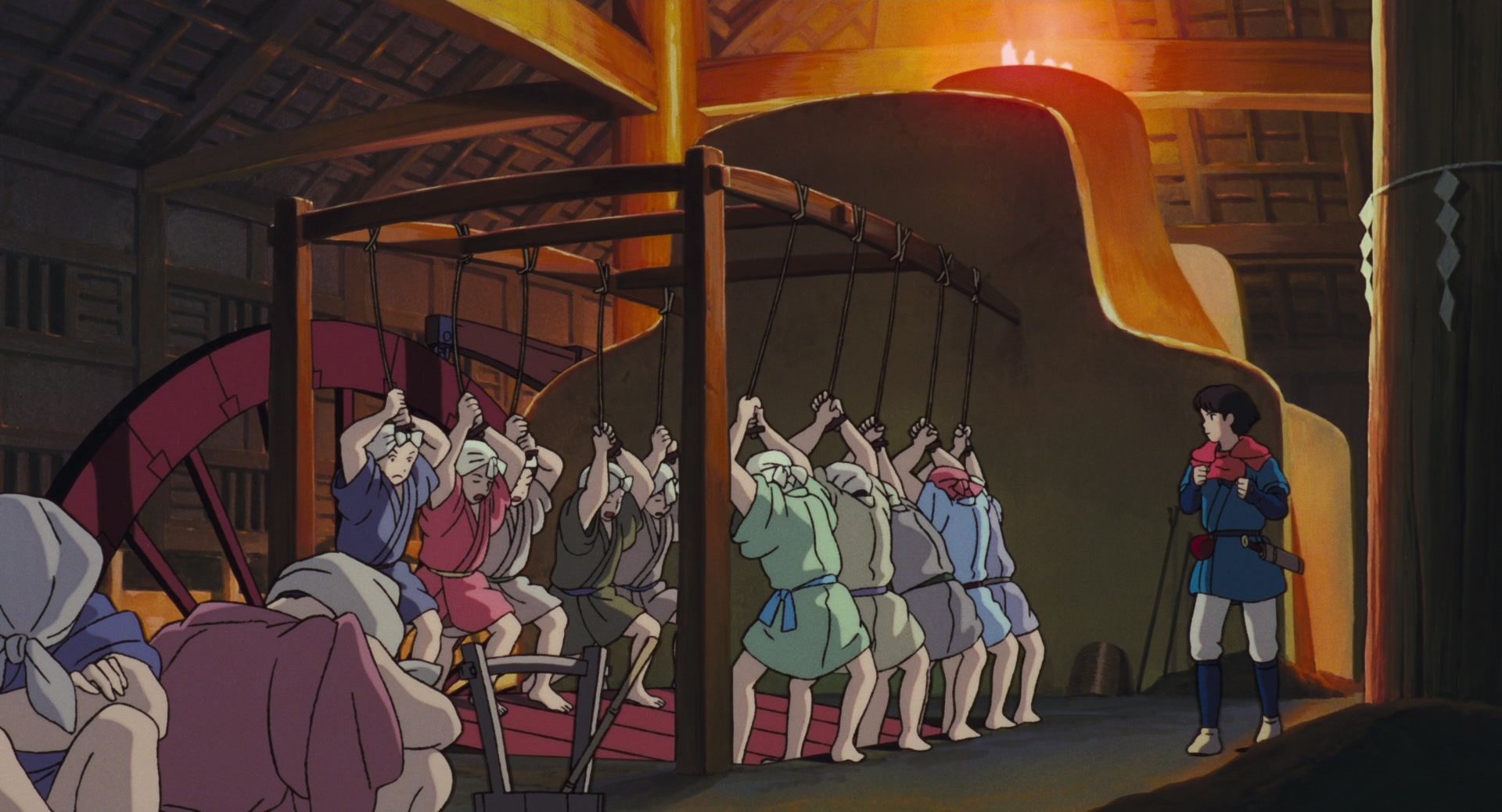
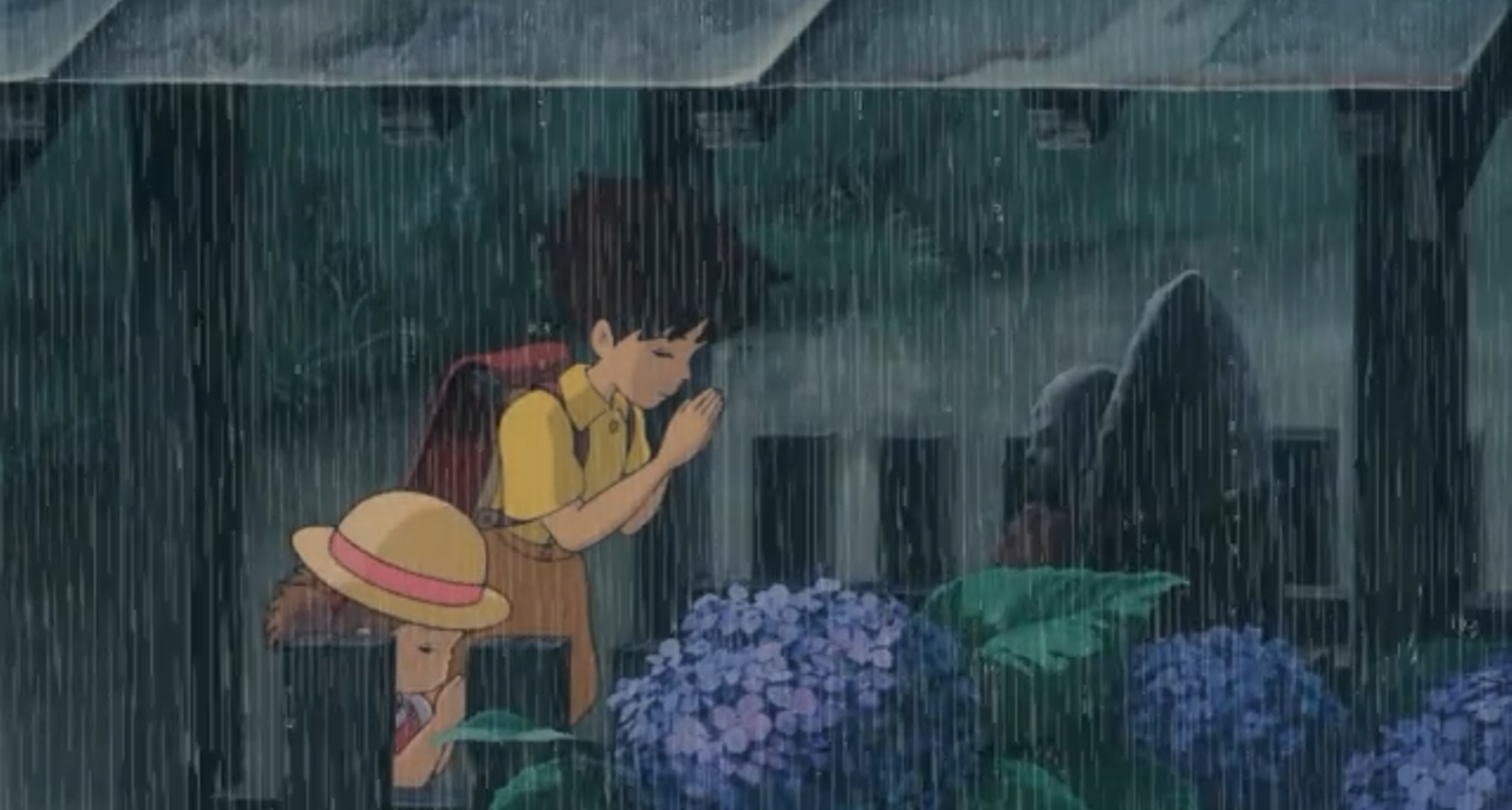
Or, for example, take Japanese animation. Serious anime always contains national reflection: about war, about the need to protect nature and preserve one's culture. These themes are traced in almost every film by the recognized master Hayao Miyazaki — from the very childlike "My Neighbor Totoro" to the more mature "Princess Mononoke," "Porco Rosso," or "Nausicaä of the Valley of the Wind."
Even in battle shonen for boys — such as "Bleach," "Naruto," or "One Piece" — the message about the importance of constant self-improvement, about daily honing of one's skills, is easily read. This immediately brings to mind the image of long family dynasties of Japanese masters, who for centuries developed their craft through the efforts of an entire lineage.
And what cultural code can be identified in Uzbek animation? Especially considering that the country was part of the USSR for a long time, which means it followed the course of Soviet animation set from Moscow. Cartoons were primarily educational and didactic, and artists constantly experimented with formats, styles, and genres. This also partly reflected the spirit of a large multinational country that was always in search of the best.
However, what is remarkable is that Uzbek animation managed to stand out precisely thanks to its multifaceted culture. Its birth year can be considered not so much the founding date of "Uzbekkino" or "Uzanimation," but rather the release of one of the first puppet cartoons created by Uzbek animators.
In 1966, Damir Salimov directed the puppet film "In the 6×6 Square". The cartoon was dedicated to the fight against cotton pests and largely corresponded to the tasks that the Soviet leadership set for children's films.
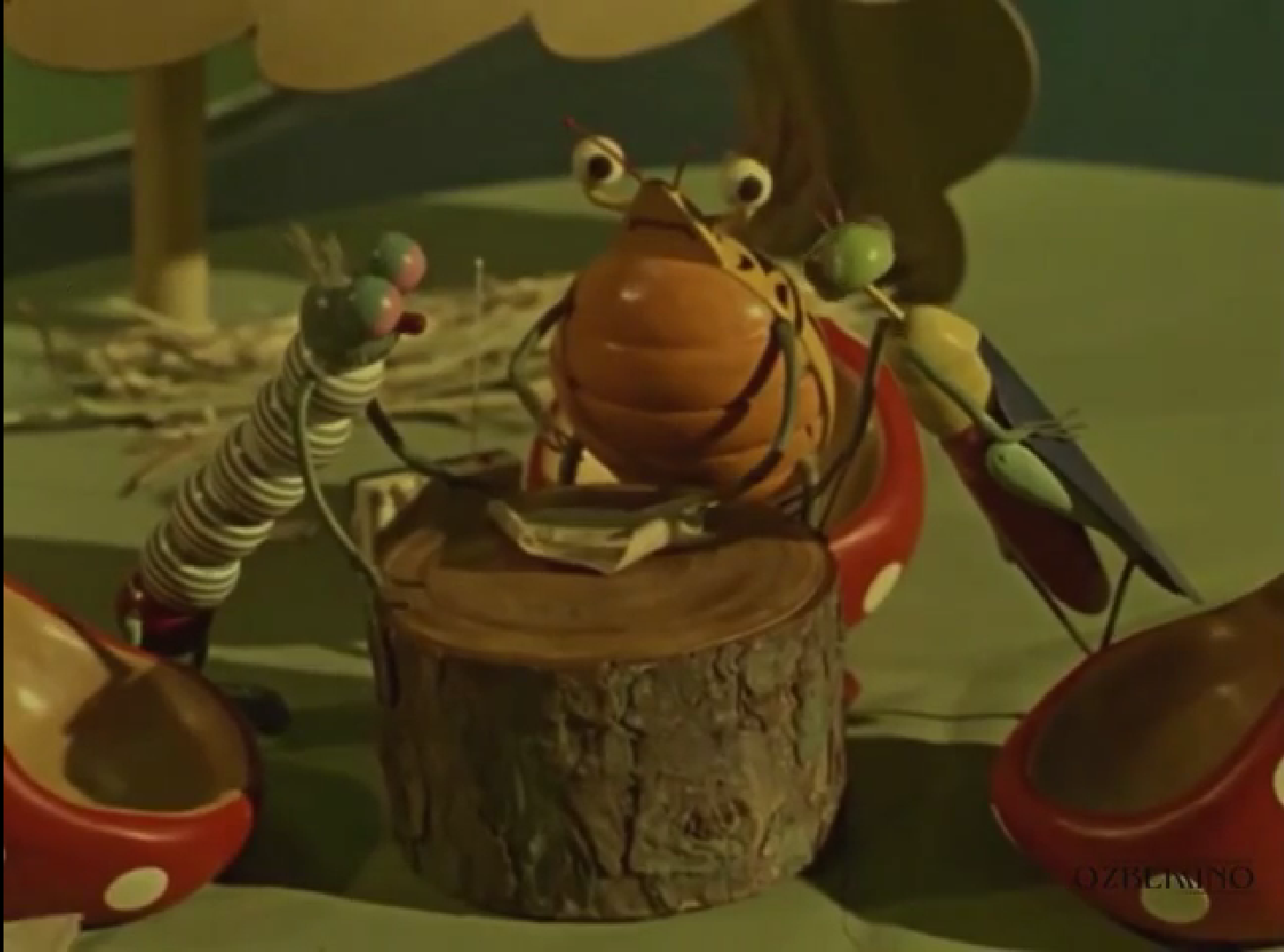
It seems, where is the national culture and "distinctiveness" here? But the fact is that, despite "In the 6×6 Square" having been awarded multiple times — both in the USSR and beyond — local filmmakers did not start making similar stories more often.
However, they decided to focus on the type of animation they did best — puppet animation. And for good reason: the art of puppet-making in Uzbekistan holds a special place — perhaps like nowhere else in Central Asia.
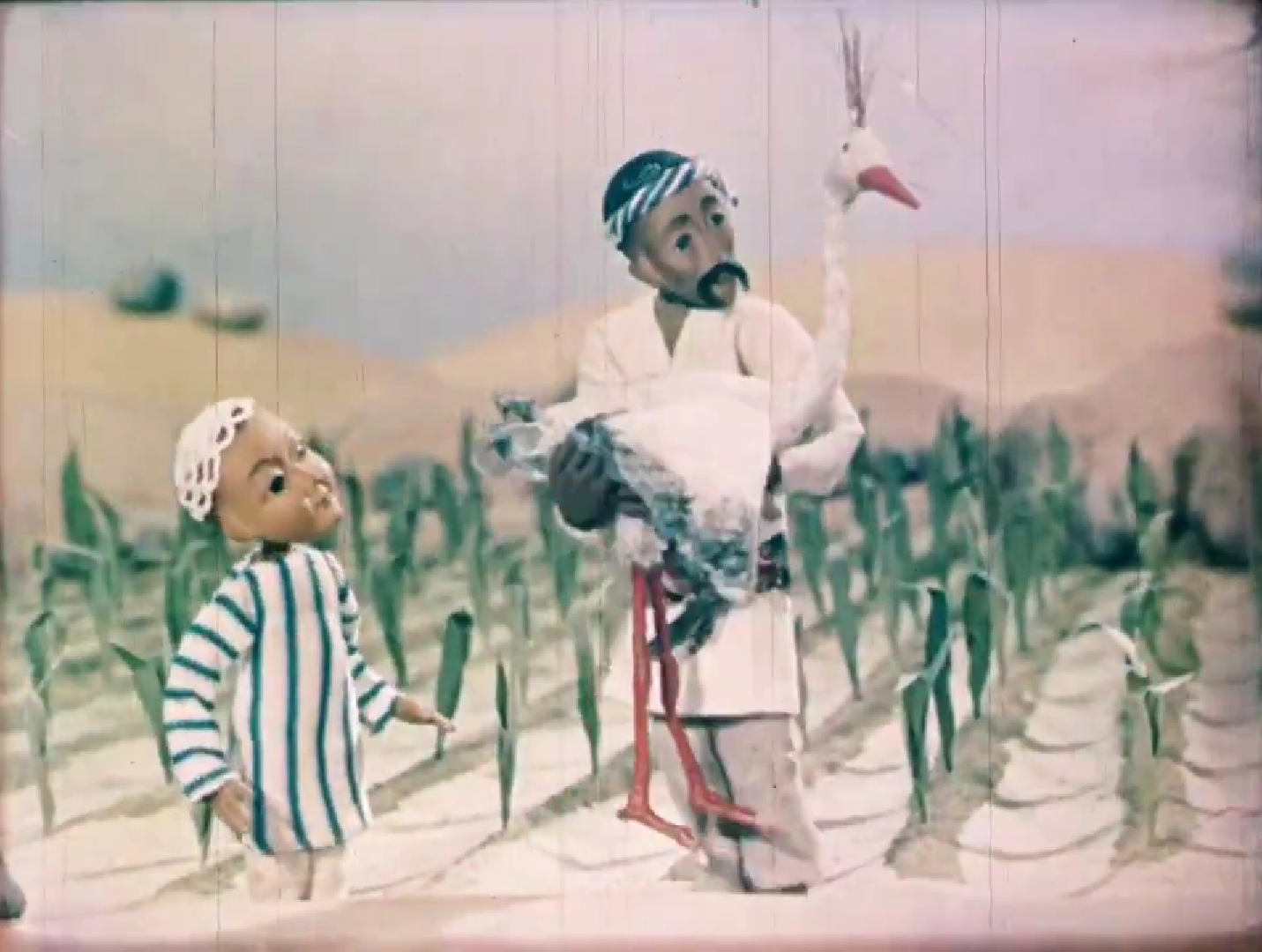
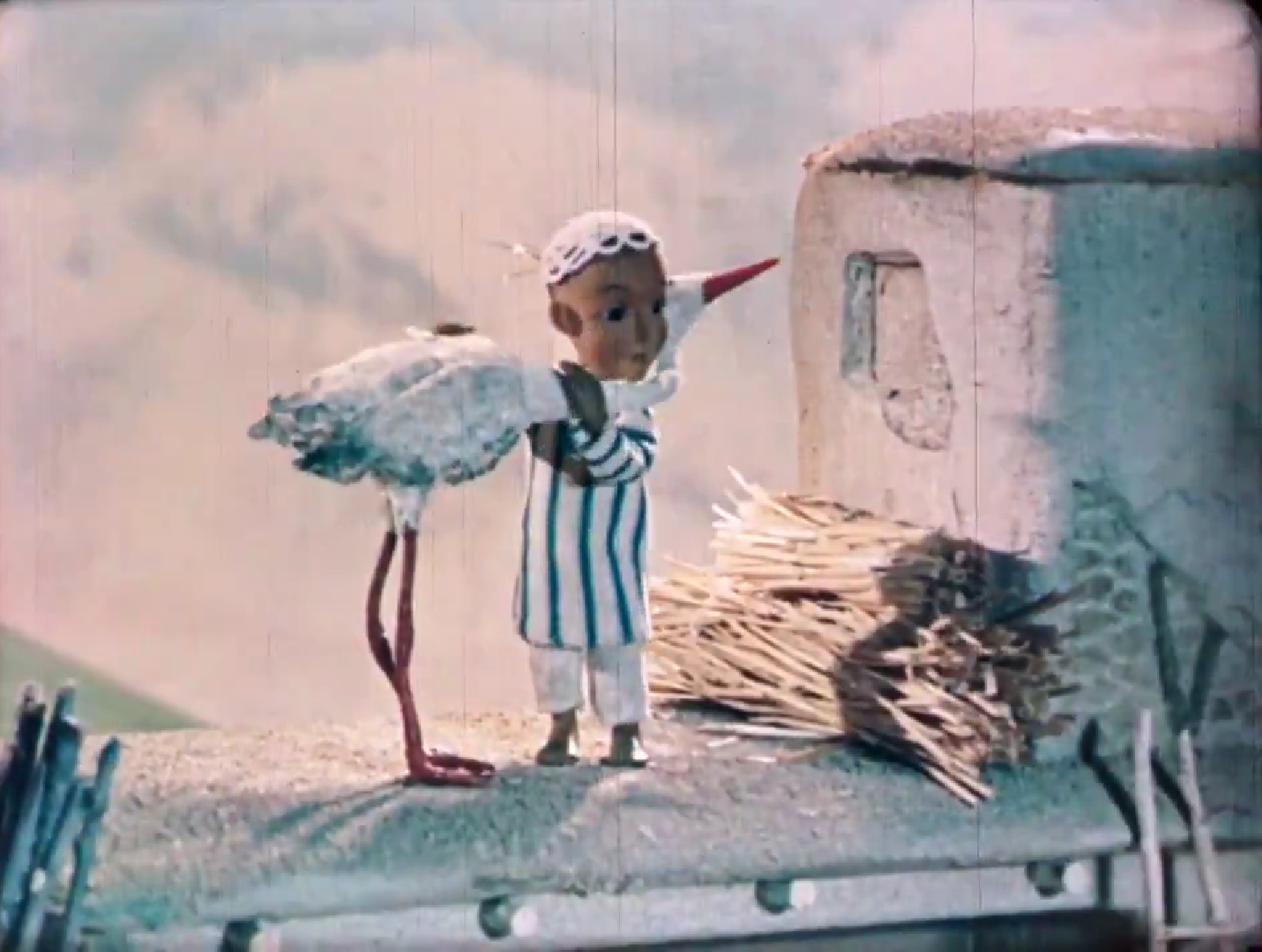
While puppet stop-motion films from other Soviet republics were often criticized for being eerie, Uzbek cartoons were truly special. Their characters were distinct from one another, had pronounced national features, and moved with remarkable smoothness. The villains were deliberately repulsive, while the heroes evoked sympathy from the very first frames, despite their "toy-like" nature.
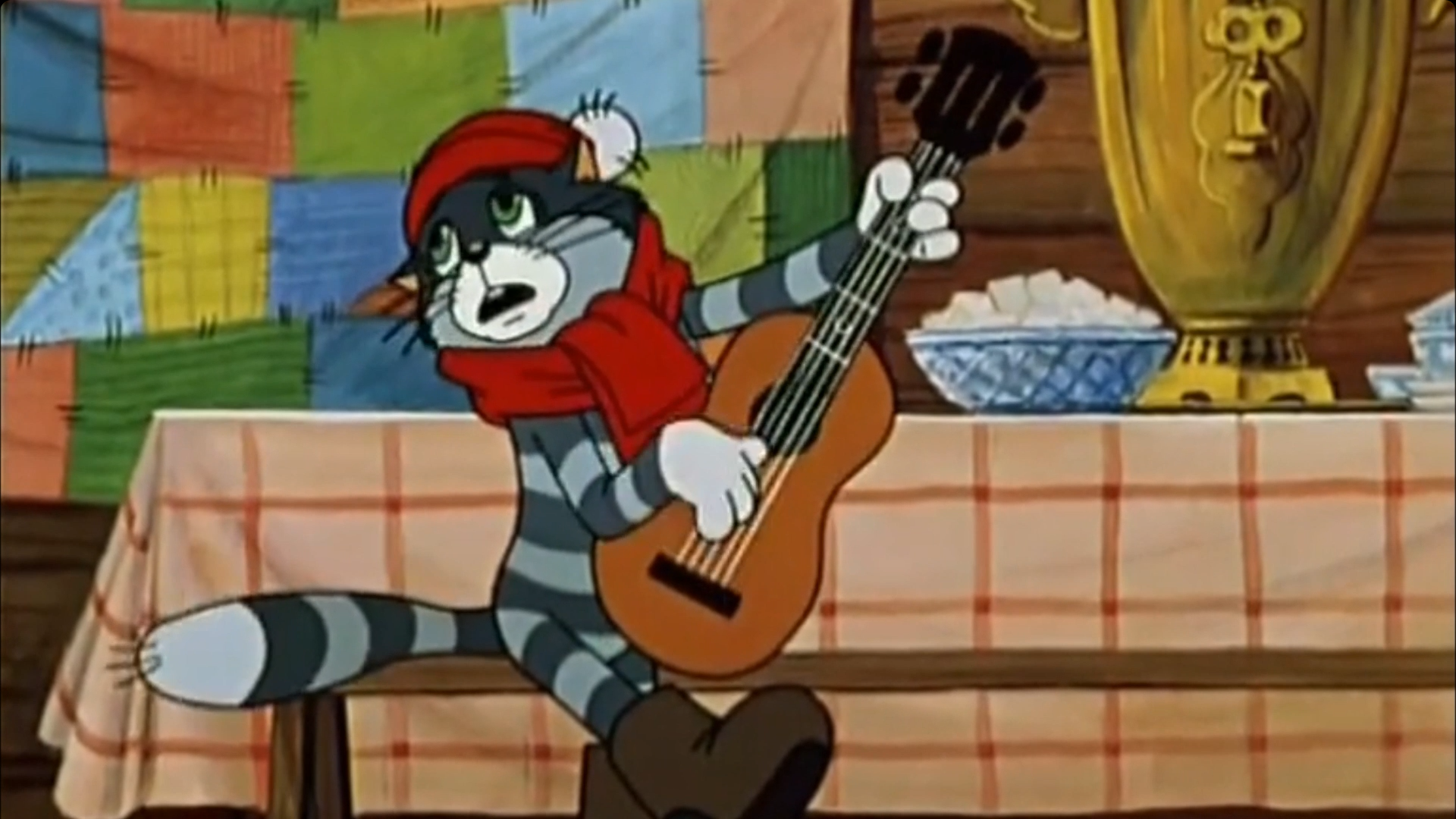
For a long time—up until the mid-1980s—stop-motion animation was actively created in Uzbekistan. Most of them were based on local fairy tales and parables, and, undoubtedly, the animators carefully considered national characteristics.
All such paintings showed that, in part due to life in a harsh climate, people developed a particularly strong sense of justice. Even if you are poor—help others, because before the desert, all are equal, and one day someone will help you. Cherish, value, and protect your family, for it is your strength and support. And if someone tries to profit from people's misfortune, they will be repaid for their deeds one way or another.
This is discussed in such beloved films as "Chigirek", "The Mouse Princess", "Is There Any Use in Goodness", "The Golden Watermelon", "The Magic Carpet".
Although puppet animation films became less common over time—due to their complexity, high cost, and lengthy production—drawn films also increasingly began to be based on national stories and with the same messages: "The Magic Chamois," "The Roof," "The Tale of the Magic Pomegranate," "The Brave Sparrow," "Khoja Nasreddin."
The plots of Uzbek parables, legends, and poems have often captivated even Moscow's industry figures. As an example, one can recall the film adaptation of the fairy tale "About Kind Umar" by director Alexander Evmenenko or the animated film "Oh, Princess!" based on the poems of Uzbek poets.
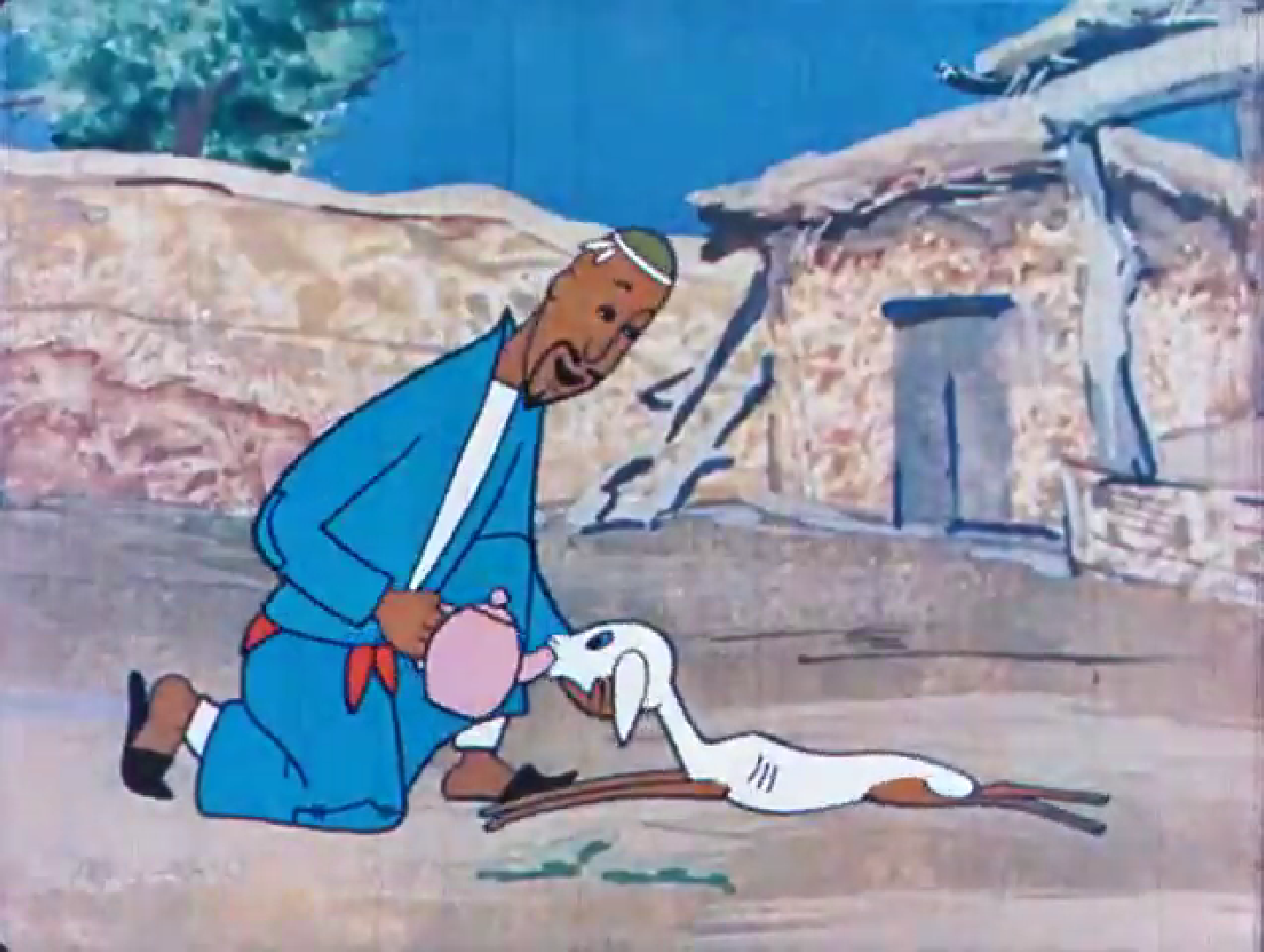
In 2009, as Nazim Tulakhodjaev, the artistic director of the animation association "Uzanimation," told the portal "Gazeta.uz," over 300 films had been created in the entire history of Uzbek animation. He noted at the time that new films were also being created based on national fairy tales, as they reflect "our cultural values and the identity of the people."
This idea continues to be promoted even in specialized educational institutions. For example, this thesis is found in the work "Tradition and Innovation in Uzbek Animated Films" (2023) by Asliddin Utayev, Head of the Department of "Dramatic Theater and Cinematography" at the State Institute of Art and Culture of Uzbekistan. He writes: "It is now extremely important to widely use examples of folklore when creating animated films, to reflect the image of our ancestors in bright colors, surrounded by such qualities as patriotism, bravery, and courage."
Especially since the last ten years have been difficult times for Uzbek animation. Funding for state studios decreased during that period, and far from all commercial companies managed to find their own style.
They have not only failed to develop a distinctive authorial style, but also do not place particular importance on working on original scripts. Their final films borrow plots from international animation—especially American animation, albeit with the addition of national flavor.
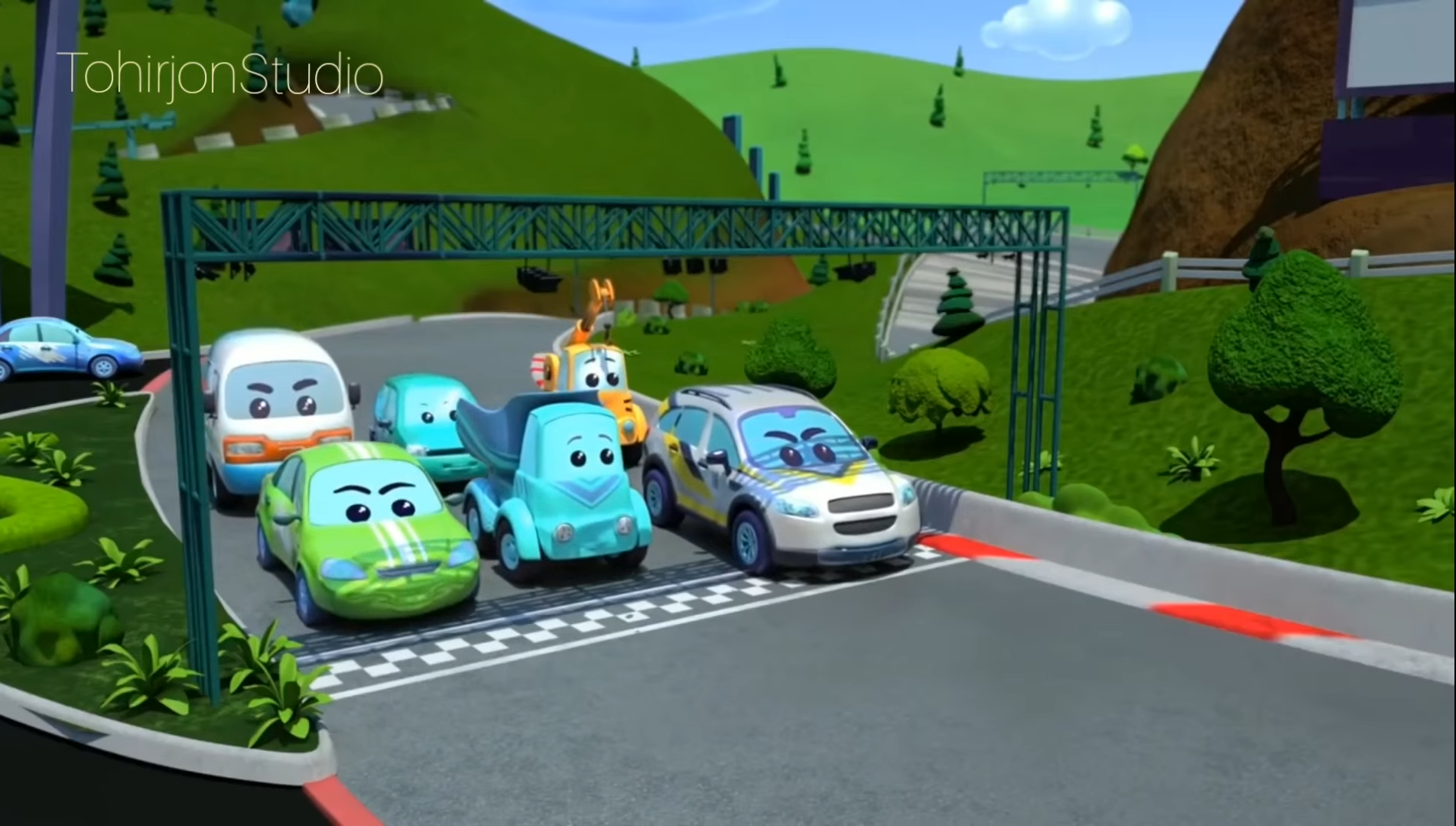
For example, the characters of the 3D animated series "Avto sarguzashtlar," while being cars from the local automotive industry and living in modern Tashkent, nevertheless heavily copy the concept of the Pixar film "Cars."
But in 2020, as reported by the publication "Sputnik Uzbekistan," UNESCO undertook the development of modern puppet animation in the country. And according to the latest data provided to the editorial office by "Uzbekfilm," several animation projects were implemented in 2024, with the creation of 18 cartoons planned for 2025. Budget funds have already been allocated for these purposes. The news is very encouraging — modern animation in Uzbekistan may be on the verge of a new upswing.
Certainly, it should not be limited exclusively to folklore. It is important to also address contemporary life, themes that are close and understandable to children of our time. But at the same time — not to lose what originally made Uzbek animation so distinctive. An example is Pavel Kim — the founder of DIP Animation studio and the author of the animated series "Tomato Doppy" (as named by the publication Spot.uz — "Tomato in a Tubeteika"). The show not only gained popularity in its homeland but also aired on Russian, Spanish, and Chinese television channels.

The fact that this story has conquered international markets speaks volumes. It means it has proven to be understandable and relatable to children from a wide variety of countries, while simultaneously managing to surprise and captivate viewers with the nuances and color of Uzbek culture.
If Uzbek animation can maintain this course - to be bold, patient, hardworking, and bring light even in difficult times, as the Uzbek people know how to do - then there will be no limits left before it. Neither creative nor geographical.
Did you like the story? Subscribe to us on Instagram and Telegram — there's even more interesting content there.
Read also
Newsletter
A letter from the HD editors
Once a week, we send the best stories, events, and cultural discoveries from Central Asia.