Art
How Nicholas Roerich Laid the Foundation for International Day of Culture
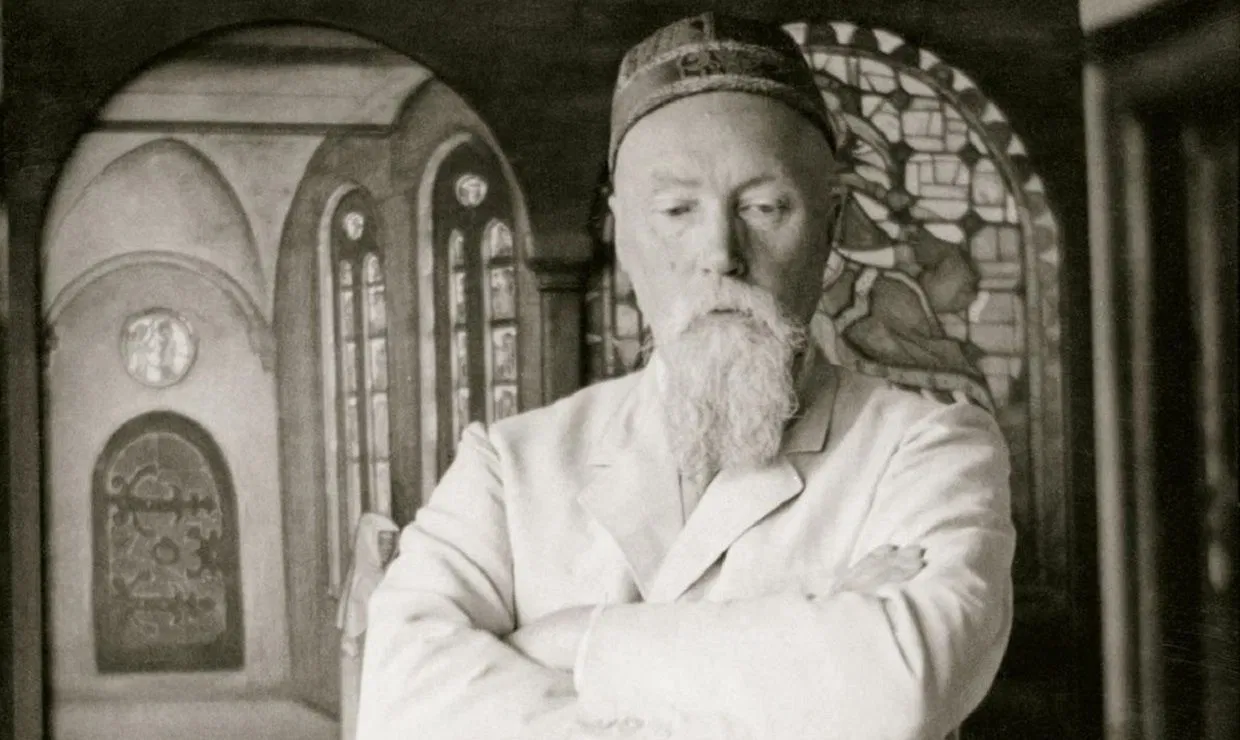
On 15 April 1935, the Treaty on the Protection of Artistic and Scientific Institutions and Historic Monuments was signed in Washington. Representatives of twenty-one countries from North and South America affixed their signatures to the document. The treaty was prepared at the initiative of the Nicholas Roerich Museum in New York, which also served as the driving force behind its adoption. Since 1998, 15 April has been observed in many countries as the Universal Day of Culture.
The first article of the Treaty contains a provision whose relevance remains undiminished to this day:
The historic monuments, museums, scientific, artistic, educational and cultural institutions shall be considered as neutral and as such respected and protected by belligerents.
Thus, the Russian artist and thinker Nicholas Konstantinovich Roerich (1879–1947) laid the foundation for the legal recognition of the need to protect cultural monuments during armed conflicts. It is no coincidence that the treaty became known as the Roerich Pact.
Behind this event, now nearly ninety years old and too rarely remembered, stands one of the defining ideas of the twentieth century: culture must remain untouchable under all circumstances.
Today, when cultural studies exists as an established academic discipline and culture is discussed everywhere, such a call may seem self-evident. Yet it is worth recalling that at the beginning of the twentieth century, attitudes toward cultural monuments around the world were largely utilitarian. They were valued either for ideological purposes in the formation of national consciousness, or in commercial terms, as financial assets that might or might not generate profit.
At that time, the question of preserving cultural monuments was only beginning to be raised, and the issue remained largely at the level of reflection. Nicholas Roerich was not the first artist to reflect in his work an important tendency in late nineteenth- and early twentieth-century Russian culture and art: the formation of Russian national consciousness. His historical paintings, however, marked a new step in this broader process, as he moved away from merely describing historical details and instead sought to recreate historical atmosphere.
A passionate admirer of Old Russian archaeology and an outstanding connoisseur of world art history, Roerich took part in a major charitable project in the early twentieth century. Russian artists donated their works for reproduction on postcards, the proceeds of which supported charitable causes. This project took him on extensive journeys through ancient Russian towns.
Between 1903 and 1904, he visited nearly thirty places and created around ninety studies, most of them architectural landscapes. Besides serving as the basis for charitable postcards, these works inspired an entirely new direction in his art. His direct encounters with ancient Russian monuments, and what he witnessed there, instilled in him a sense of the urgent need to preserve historical heritage.
It is no secret that at that time, no one set such a task regarding cultural monuments. For example, ancient church frescoes, which over time fell into unsatisfactory condition, were routinely painted over without hesitation by contemporary artists. Like many cultural figures in Russia of his era, Roerich understood that only a change in attitudes toward historic monuments, both among ordinary citizens and at the level of state policy, would allow future generations to see the authentic ancient works that form the foundation of national culture. .
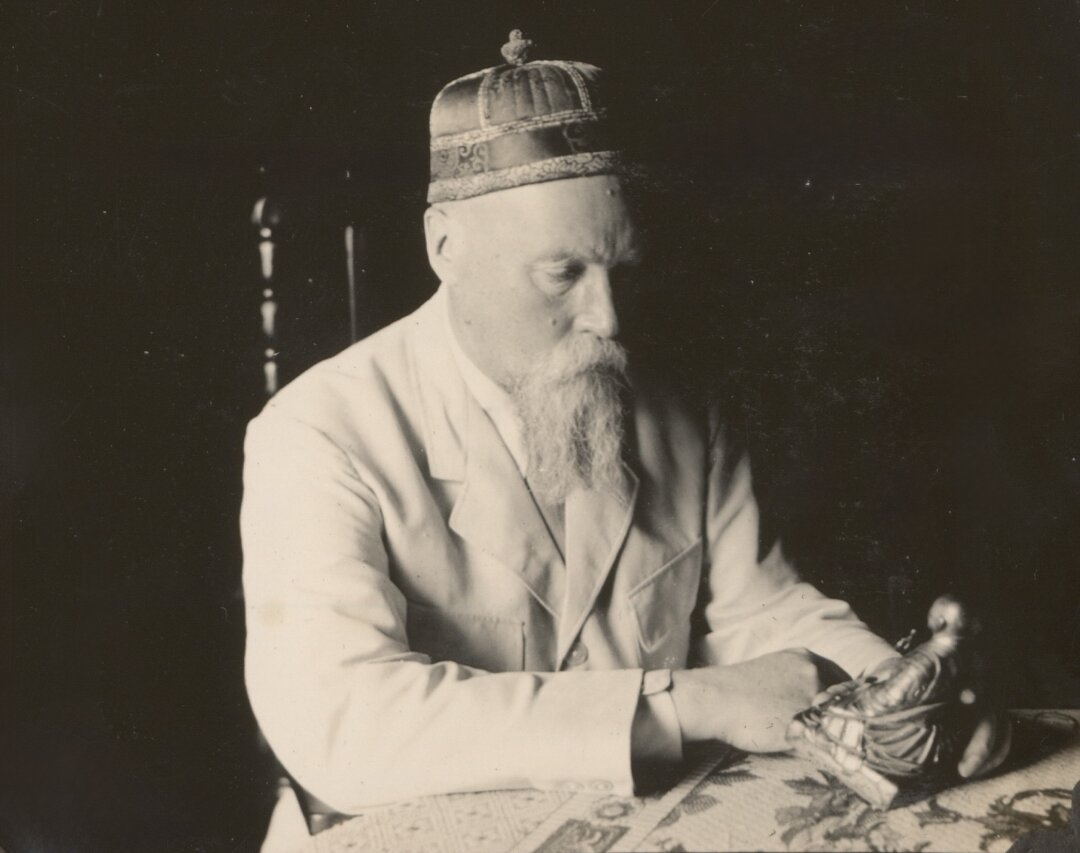
From that moment onward, Roerich began to shape his role as a defender of culture. The decisive turning point in his worldview came with the First World War. The first great war of the twentieth century revealed how fragile cultural monuments were in the face of modern destructive weaponry. Artillery bombardments and aerial attacks demonstrated humanity's capacity to destroy cultural heritage, and that such destruction irrevocably erases entire chapters from the history of world culture.
Despite the upheavals of his life, including forced emigration, constant travel and intense creative activity, by the late 1920s Roerich had come to recognise the need for an international legal instrument that would oblige governments to prioritise the protection of cultural monuments during wartime.
Trained as a lawyer at St Petersburg University, and working with other legal professionals, particularly Georges Chklaver, Roerich drafted in the early 1930s a treaty on the protection of artistic and scientific institutions and historic monuments. On behalf of his museum in New York, he submitted it to governments around the world. After several years of sustained advocacy, during which special conferences were convened to discuss cultural preservation, the treaty was signed in Washington on 15 April 1935.
Unfortunately, this triumphant event coincided with a crisis in Roerich’s relations with his American financier Louis Horch. The dispute led to legal proceedings that barred Roerich from entering the United States, and effectively brought his museum there to an end.
By the mid-1930s, Europe was already on the brink of the Second World War, and politicians were preoccupied with immediate crises, preferring to ignore the broader goals of cultural preservation.
After the Second World War, as a new global order was being shaped under the auspices of the United Nations, the Hague Convention for the Protection of Cultural Property in the Event of Armed Conflict was adopted in 1954. It recognised the broader application of the Roerich Pact. However, in practice, it replaced the Pact’s central principle: that the protection of cultural heritage should take precedence over military necessity.
In the decades since the Hague Convention was signed, we can only admit, with regret, that cultural heritage in many parts of the world remains under constant threat of irreversible destruction during armed conflict. Countless monuments have vanished in recent years, and the fragile fabric of world culture continues to be subjected to violence.
It is worth remembering this on World Culture Day, and looking beyond grand declarations to small, practical actions that may ultimately affirm the enduring wisdom of the efforts of the Russian artist and thinker Nicholas Konstantinovich Roerich.
Newsletter
A letter from the HD editors
Once a week, we send the best stories, events, and cultural discoveries from Central Asia.