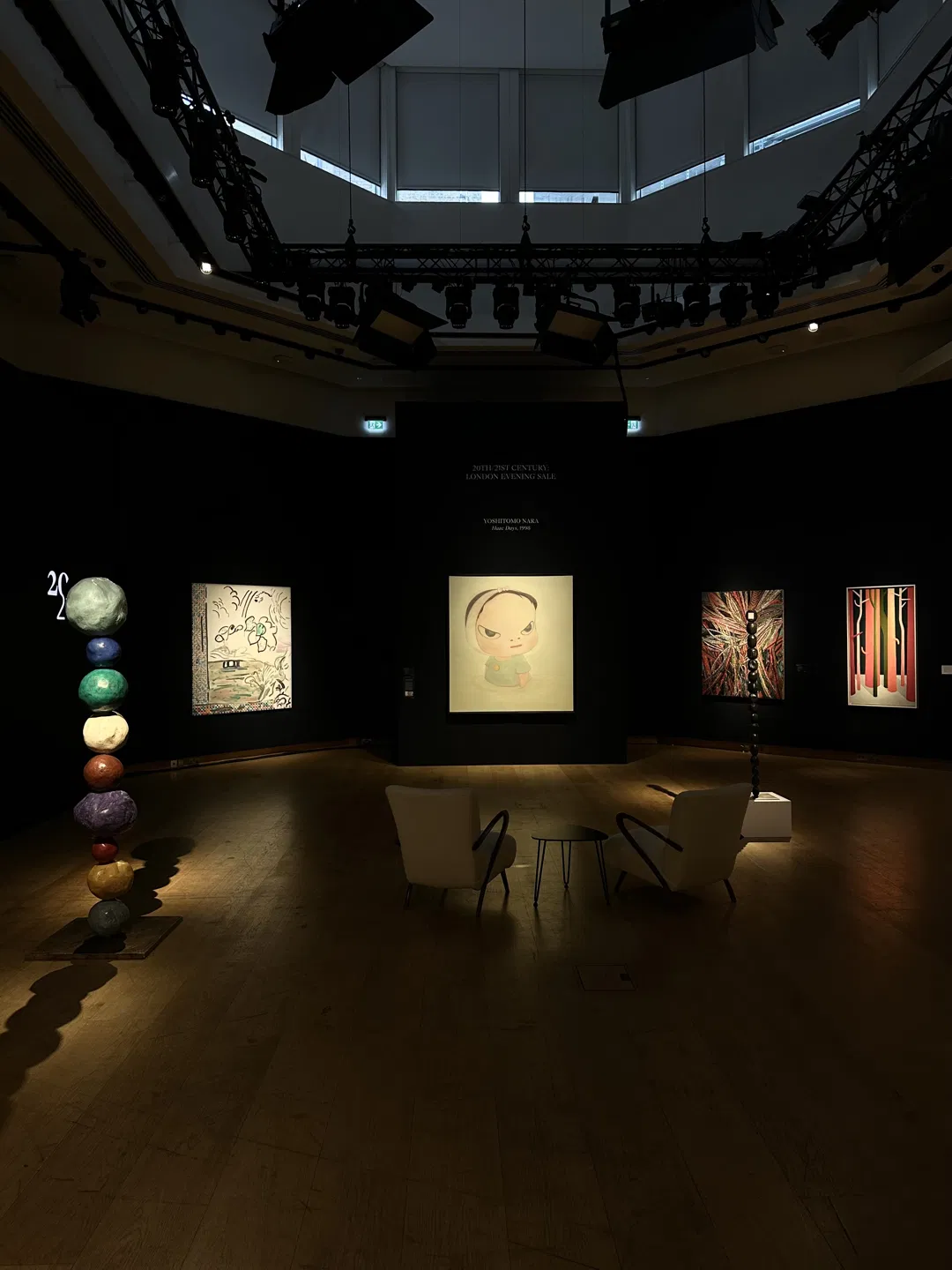
Just a hundred years ago, one of the most reliable ways to promote an artist was their demise. It was the departure from life that turned canvases into objects of attention and a name into a brand. Today, everything is different: artists become famous during their lifetime, and their paintings are exhibited, discussed, and bought for tens of thousands of dollars. The global art market has ceased to be an elitist territory and has turned into a real industry with its own institutions, rules, and challenges.
The contemporary art market is not merely a meeting point for buyers and sellers, but a complex infrastructure of roles, interests, and symbolic capital. A whole network of intermediaries exists among its participants, shaping the cultural and economic value of art.
Curators, in this sense, play the role of mediators. They provide interpretation of the artistic product, build logical connections, and make the work visible to gallerists, viewers, and the market. It is they who set the frame within which an artistic statement gains weight, value, and relevance.
The next level is galleries. In the international system, they perform both representative and transactional functions for selecting, presenting, and selling artworks. Spaces like Gagosian, David Zwirner, Pace, Hauser & Wirth, or White Cube have long become institutions with their own policies, audiences, and standards. Their activities shape the common understanding of the boundaries of art.
Collectors, in turn, exert a decisive influence on the stability of the market. Their motivations can vary widely—from investment interest to cultural engagement—but it is they who determine demand, support creators, and participate in shaping the canon.
Auction houses are one of the oldest and most stable pricing mechanisms in the art world. The sales at Christie’s and Sotheby’s are not just economic events but also a kind of reputation indicator, determining an artist's place in the market hierarchy. Their results regularly become the subject of professional analysis and influence the future creative trajectories of masters.
The infrastructure of the art fair is complemented by events like Art Basel, Frieze, Art Dubai, and the London Art Fair, which combine commercial, representational, and research functions. It is precisely here that perceptions of trends are formed, the circle of in-demand names is defined, and the image of contemporary art is constructed.
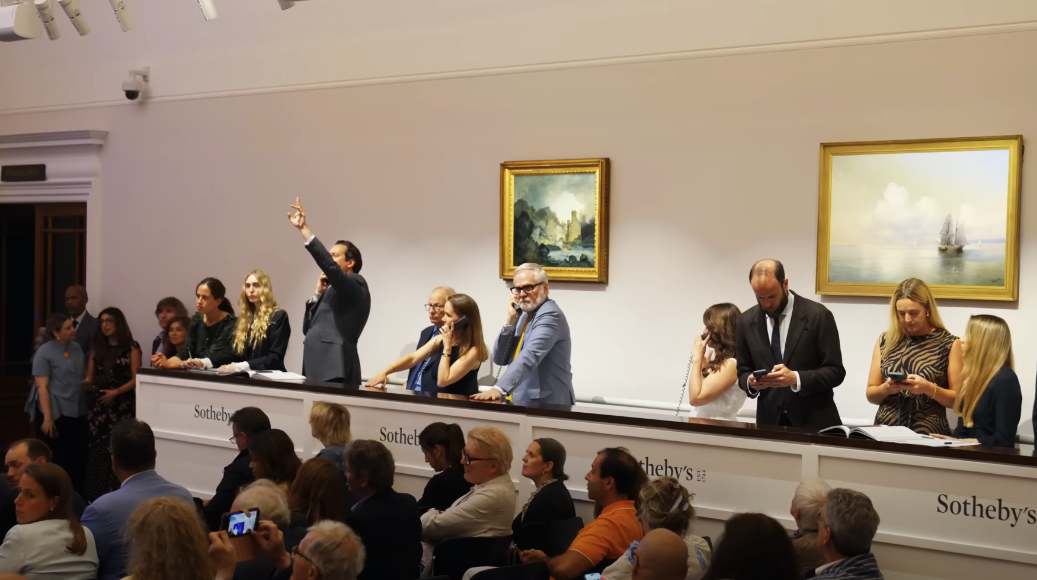
According to data from Artprice, the global art market volume in 2024 was $1.89 billion. In the contemporary art segment, it grew by 17%, and the share of successful auction sales reached 65%.
Meanwhile, the Art Basel and UBS study paints a different picture: sales in the global market decreased by 12%, gallery sales by 6%, and for spaces specializing in contemporary art, the drop was 11%. The number of objects sold for over $1 million also decreased, and significantly so—from 372 in 2022 to 224 in 2024.
But if expensive lots are hard to sell, interest in more affordable art is growing: 81% of all works sold last year cost no more than $5,000 per item. This may be explained by the middle class increasingly looking towards contemporary art.
This shift in demand motivates galleries to bring works by young masters to market more quickly and frequently. At global auctions in 2023–2024, 33,000 artists were exhibited, with every eleventh one being under forty years old—and this is no coincidence. A survey by Artsy shows: 72% of collectors are interested specifically in emerging artists, while only 69% are interested in established masters.
But the art market is experiencing emotional overload. According to Artlogic, 63% of gallery owners say running their business has become noticeably harder. In large institutions, employees increasingly complain about burnout. In smaller spaces, the level of emotional exhaustion is lower, but the overall stress is higher: in a small team, there is no one to redistribute the workload. Some are forced to cut costs, others to accelerate turnover, and still others are even making the decision to close.
The art market proved vulnerable to the same threats as small businesses: this includes a lack of a safety cushion, dependence on demand fluctuations, unstable logistics, and a shortage of institutional support.
Simultaneously, the representation of women in the art market is growing. Works by female artists now occupy 41% of gallery space, and their share of the primary market has reached 46%. In the spring of 2025, the painting "Miss January" (1997) by Dutch artist of South African origin Marlene Dumas was auctioned at Christie's for a record $13.6 million. This made her the most successful living female artist and solidified the trend of feminization in the art market, which until recently seemed inconsistent.
Digital art is experiencing a lull. After the NFT frenzy in 2021, when Beeple's work Everydays: The First 5000 Days sold for $69.3 million, the market fell into a slump. Currently, the price tag for such works is much more modest, ranging from $15,000 to $20,000.
In the spring of 2025, Christie's held its first auction dedicated to paintings created with the participation of artificial intelligence. Out of 34 lots, six found no buyers, and 14 were sold below the expected price threshold. The most expensive lot was the work by Turkish-American artist Refik Anadol, "Machine Hallucinations — Dreams of the ISS," which was purchased for $277.2 thousand.
This is an absolute record that is an exception proving the rule: digital art is not displacing traditional art. Most collectors remain true to themselves and prefer to buy not a digital code, but a canvas.
At the same time, not only the method of producing art is changing, but also its purpose. Today, the artist is increasingly trying to comprehend trauma or personal experience. Art is becoming not just a form of reflecting reality, but a tool for emotional processing. On one hand, such art objects, when coming into contact with the viewer, can evoke strong emotions in the latter, inviting reflection and self-discovery.
Critics of this approach argue that artists forget about the quality of execution, becoming fixated on trauma. The founder and curator of the Italian gallery Aorta Social Art, Nadezhda Navrotskaya, believes it is important to distinguish between working through trauma with art and demonstrating trauma through art.
"It's not the same thing. In the first case, if an artist has inner work and technique, we can see a truly powerful work. In the second, there may be the same 'creepy little roses,' only now they're 'about trauma.' Seriously discussing the quality of any work is only possible in the context of the author's entire professional and personal journey."
The art market is accelerating, but its volatility is increasing along with it. Art dealers are forced to seek a balance between curatorial activity and commerce, while collectors must balance fashionable form and content.
One cannot overlook the role of online platforms: Artnet, Artsy, and Saatchi Art host exhibitions and tours online, but gallerists themselves believe the future will be hybrid. According to the same Artlogic data, almost half of those surveyed are confident: physical spaces will not disappear because live interaction with art cannot be replaced by a 3D tour—especially when it comes to acquisitions.
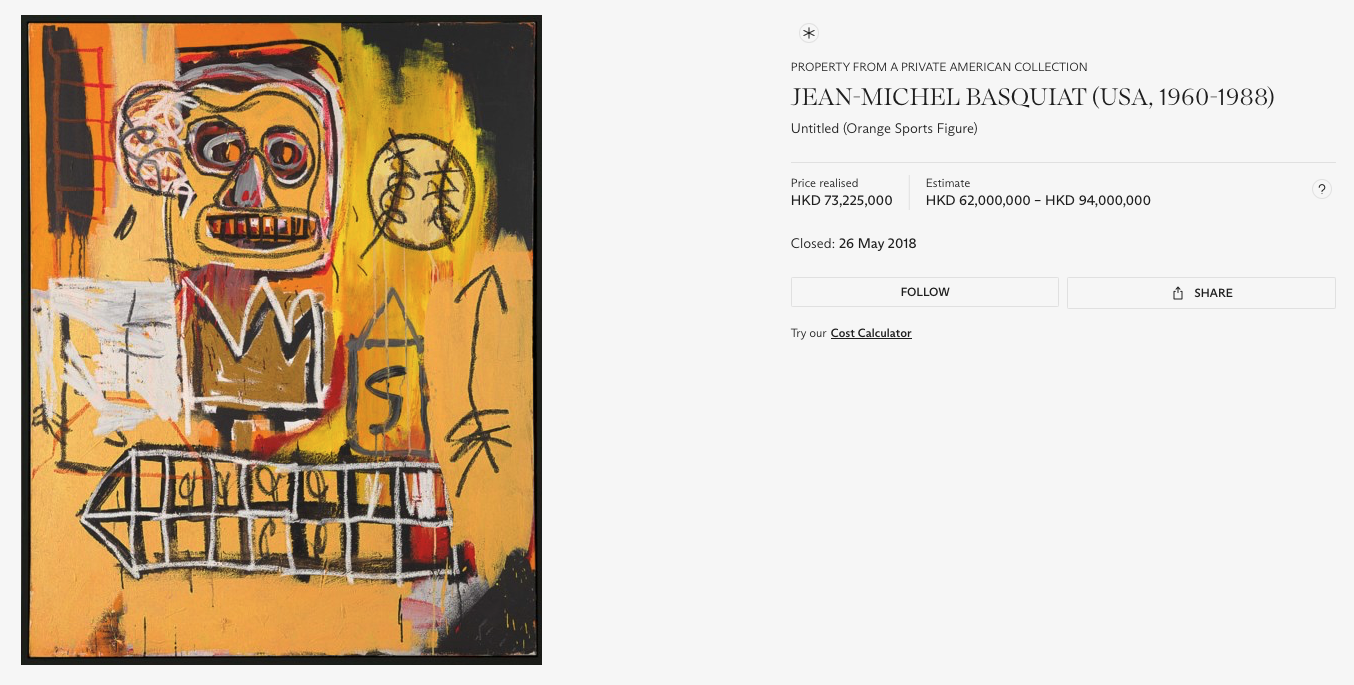
If you look at the market through the eyes of an investor, the picture appears dualistic. Cases like Jean-Michel Basquiat's "Orange Sports Figure", which increased in price from 66 thousand to 8.8 million dollars over twenty years, create an illusion of easy profit. But art is not the stock market. It is an illiquid asset, the trading of which requires appraisal, intermediaries, and time.
Buying a painting for $300 doesn't mean it will increase in value by several orders of magnitude in ten years. However, collecting as a lifestyle is a perfectly viable strategy that can pay off in terms of broadening your personal horizons, gaining access to cultural circles, developing your visual literacy, and building connections.
In Uzbekistan, the art market is still in its infancy, but the infrastructure is already forming. Alongside state museums and halls, private galleries have begun operating: HIMRDV Gallery, Bonum Factum, Regeneration Art Gallery. The country has collectors, and public interest in contemporary art is growing, despite it still being perceived as "complex."
The most important thing is to maintain momentum and not be afraid to experiment. A stable market begins with trust, professionalism, and the engagement of all its participants—from the artist to the auctioneer.
Did you like the story? Follow us on Instagram and Telegram — there's even more interesting content there.


Newsletter
A letter from the HD editors
Once a week, we send the best stories, events, and cultural discoveries from Central Asia.